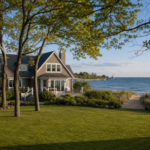
Buying a home is also a decision about how you want to spend your time. The right neighborhood can reduce stressful driving, make errands easier, support hobbies, and provide the level of privacy or connection that feels comfortable. Before falling in love with a kitchen or backyard, look at how the surrounding area will work for your real life.
For buyers comparing property styles and current inventory, homes for sale in Westhaven can be explored through The Reed Collective. This Franklin-area real estate team provides a dedicated Westhaven listings search with options that include single-family homes, townhomes, condos, and luxury properties, along with neighborhood-focused guidance for Westhaven and nearby Williamson County communities.
Why Neighborhood Fit Matters
Two homes with similar prices can create entirely different lifestyles. One may offer extra square footage, but add an hour of driving every day. Another may be smaller yet put work, parks, groceries, and family nearby. Location affects routines, privacy, noise, access to services, and the ease of hosting friends or caring for relatives.
For example, a buyer may choose a smaller home closer to work over a larger home farther away. The smaller property may mean less storage, but lower fuel costs, more time at home, and a more predictable schedule can make it the better overall fit.
Start With Daily Life
Define what you need before comparing listings. Write down every place you visit in a typical week, including work, school, childcare, groceries, medical appointments, gyms, parks, and family homes. Then separate needs into must-haves and nice-to-haves.
- Rank commute time, walkability, privacy, schools, recreation, shopping, and healthcare access.
- Consider whether you need a dedicated home office, a low-maintenance property, or room for visitors.
- Think ahead to likely changes, such as a growing family, remote work, aging parents, or downsizing.
Compare the Full Cost
The asking price is only one part of affordability. Create a monthly estimate for every neighborhood under consideration, using the same assumptions for down payment and loan terms. Include mortgage principal and interest, property taxes, homeowners’ insurance, HOA or condominium fees, utilities, maintenance, commuting costs, tolls, parking, and likely repairs.

A lower-priced home can become the more expensive choice if it requires a long commute, carries higher insurance premiums, or needs immediate renovation. Also, ask whether HOA fees have increased regularly and whether the community has adequate reserves for major shared repairs.
Study Housing Options and Tradeoffs
Property type should match both your budget and your preferred level of responsibility.
- Single-family home: Often provides more privacy, outdoor space, and control. Ask about roof age, drainage, landscaping, exterior upkeep, and repair costs.
- Townhome: May offer lower exterior maintenance and shared amenities. Review HOA rules, fees, rental restrictions, and reserve funding.
- Condominium: Can provide a convenient location and fewer exterior tasks. Check building maintenance history, special assessments, insurance responsibilities, and parking.
- Luxury property: May include distinctive finishes, larger lots, or premium amenities. Consider ongoing upkeep and the size of the future buyer pool at that price point.
Check Commute and Access
Do not rely only on a map estimate. Test the route during the actual morning and evening commute periods, then repeat it on a weekend if regular activities make that relevant. A short route with heavy congestion can take longer than a longer route connected by reliable roads.
Also measure practical access to employment centers, transit, airports, pharmacies, grocery stores, healthcare, and schools. Ask yourself whether the area will still work if your job, school schedule, or family responsibilities change.
Review Schools, Services, and Amenities
Research community features through more than one source. Verify school boundaries with the official district, rather than relying solely on listing descriptions or third-party ratings. Look for nearby parks, libraries, recreation centers, restaurants, and everyday services, then decide whether they are truly walkable, bikeable, or car-dependent.
Look at Data and Property Risk
Before making an offer, review recent comparable sales, property tax history, permit records, and any visible signs of deferred maintenance. Ask about planned roads, commercial development, new housing, or zoning changes that could affect traffic, views, or noise.
Environmental exposure can also change the cost of ownership. Check flood, drainage, fire, and storm risks early, especially when insurance availability affects your budget.
Visit at Different Times
- Visit on a weekday morning.
- Return during the evening commute.
- Stop by during a weekend afternoon or evening.
- Walk nearby streets, not only the block containing the home.
- Notice traffic flow, parking pressure, lighting, sidewalk conditions, and road, rail, aircraft, or commercial noise.
A neighborhood that feels quiet during an open house may feel very different at school drop-off, rush hour, or during weekend events. Multiple visits reveal details that listing photos cannot show.
Use a Neighborhood Scorecard
Rate each neighborhood from one to five in these categories: monthly affordability, commute and transportation, housing condition and choices, schools and family services, parks and recreation, shopping and healthcare access, noise and privacy, environmental and insurance risk, resale flexibility, and overall lifestyle fit.
The highest score is not automatically the winner. A neighborhood with a modest resale score may still be the best choice if its payment, location, and daily rhythm align with your priorities.
Common Buyer Mistakes
- Choosing the largest home rather than the best daily fit.
- Using citywide averages instead of researching the specific address and surrounding streets.
- Ignoring HOA documents, fee increases, and possible special assessments.
- Assuming a commute is easy without testing it under real traffic conditions.
- Skipping evening and weekend visits.
- Overlooking insurance, taxes, maintenance, and transportation costs.
- Focusing only on current conditions while ignoring future development.
A Simple Final Checklist
- The neighborhood supports your normal weekly routine.
- The full monthly cost is comfortable, not merely possible.
- The property type matches your maintenance preferences.
- Commute times have been tested under realistic conditions.
- Schools, services, boundaries, and neighborhood rules have been verified.
- Taxes, insurance, flood exposure, HOA costs, and future resale needs are understood.
Conclusion
Finding the right home means looking beyond the property itself to the surrounding neighborhood. By comparing daily convenience, total ownership costs, commute patterns, local amenities, and long-term considerations, buyers can make more informed decisions and choose a community that supports their lifestyle, budget, and future goals for years to come.