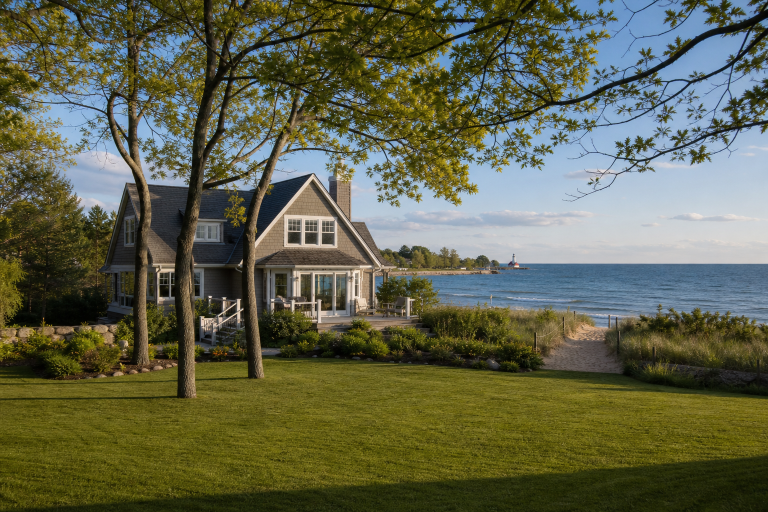
Lakefront living in Holland, Michigan, can mean sunset views, quick access to the water, and a home base near Lake Michigan, Lake Macatawa, and West Michigan’s inland lakes. It also calls for more careful research than a typical home purchase. Holland, MI, real estate experts, Michigan Homes & Cottages is the website for Michigan Homes & Cottages. This West Michigan real estate team works with homes, cottages, luxury properties, and lake communities in areas including Holland, Saugatuck, Douglas, Grand Haven, Spring Lake, and Fennville. That local market focus can be useful when comparing shoreline access, property conditions, and neighborhood differences.
A memorable view should be only one part of the decision. Two properties may sit near the same lake, yet one may have stable access, clear ownership rights, and manageable upkeep, while the other may have drainage concerns, bluff exposure, or limited use rights. Use this checklist to look beyond the view and evaluate the home, land, access, rules, and long-term costs as a whole.
Why Lakefront Homes Require Extra Due Diligence
Waterfront properties are exposed to conditions that may not affect homes farther inland. Wind, waves, seasonal weather, drainage, ice, and changing beach conditions can affect the land and exterior systems over time. In Holland and nearby lakeshore communities, a property may also include dunes, bluffs, wetlands, shared drives, private stairs, or association-managed access. A careful offer process gives buyers time to determine which features are assets and which may require future attention.
Start With the Shoreline
Visit the exterior with a practical eye. Look for standing water, washouts, exposed roots, uneven steps, leaning retaining walls, fresh cracks, or soil movement near a bluff. Ask the seller for records of drainage work, seawall repairs, stair replacement, erosion-control projects, and prior permits. Historical listing photos and aerial images can also help show whether the beach, vegetation, or access route has noticeably changed.
Shoreline items to review
- Beach width, stairs, paths, and the condition of railings or landings.
- Grading that directs water away from the home and toward an appropriate outlet.
- Retaining walls, revetments, or other shoreline protection features.
- Shared responsibilities for roads, docks, walls, and access paths.
- Whether planned work could require approvals from public agencies or an association.
Do not assume a shoreline improvement can be replaced in the same form or location. In Michigan, projects involving Great Lakes bottomlands, docks, boat lifts, seawalls, dredging, or fill may be regulated, so buyers should review Great Lakes shoreline construction permit requirements before treating a future improvement as guaranteed.
Check Property Boundaries and Access
“Lakefront” can describe very different ownership arrangements. Direct waterfront may mean the parcel reaches the water, while deeded access may provide use of a shared path or beach. A nearby public beach offers recreation but does not create private rights. Review the survey, deed, title commitment, easements, and homeowners association documents before assuming that a dock, beach chair, fence, or access route is included. Ask whether the driveway is private, shared, or subject to an easement. Confirm who maintains it, how costs are divided, and whether seasonal access is reliable. If the property has a shared beach or dock, request the written rules covering guests, storage, parking, noise, boat use, and maintenance.
 Inspect the Home for Water-Related Risks
Begin with a standard home inspection, then add specialists when the property warrants it. A lakefront home may benefit from a foundation or moisture evaluation, roof and flashing review, chimney inspection, septic or well testing, electrical assessment, and examination of seawalls, retaining walls, drainage, or bluff conditions. Older cottages and seasonal homes deserve particular attention because shut-down periods can increase the risk of frozen pipes, humidity, pest activity, and unnoticed storm damage. Request maintenance records for heating equipment, generators, sump pumps, wells, septic systems, and winterization. During the final walk-through, test practical basics such as water pressure, internet service, cell reception, exterior lighting, garage doors, stairs, and access to the water.
Review Insurance, Taxes, and Ownership Costs
The monthly mortgage payment is not the full budget. Obtain an insurance quote before the inspection deadline and ask about deductibles, exclusions, optional flood coverage, prior claims, and coverage for detached structures. Buyers can use the FEMA flood map service center as one starting point for understanding mapped flood information, while remembering that insurance questions should be addressed with a qualified insurance professional.
- Property taxes, association dues, and possible special assessments.
- Utilities, snow removal, landscaping, and travel for a second home.
- Roof, siding, windows, stairs, docks, seawalls, and exterior painting.
- Private road, well, septic, generator, and shoreline maintenance expenses.
Study Local Rules and Future Plans
Before making plans for a rental program, guesthouse, addition, dock, boat lift, retaining wall, or new stairs, check the rules that apply to that specific parcel. Requirements can differ among cities, townships, counties, lake associations, and homeowner associations. Zoning, setbacks, lot coverage, critical dunes, wetlands, and shoreland conditions can all affect what is possible. Verify plans in writing rather than relying on listing remarks or verbal assumptions.
Compare Homes With a Scorecard
A simple one-to-five rating system can keep the water view from overwhelming the practical details. Rate each home on:
- Shoreline: Stability, access, beach condition, drainage, and erosion concerns.
- Home condition: Foundation, roof, windows, mechanical systems, and moisture control.
- Ownership cost: Insurance, taxes, utilities, repairs, and shared fees.
- Location: Drive time, privacy, nearby services, recreation, and seasonal traffic.
- Future flexibility: Rental rules, expansion potential, dock options, and resale appeal.
Questions to Ask Before Making an Offer
- What repairs have been made to the shoreline, bluff, foundation, or drainage system?
- Are there shared roads, docks, beaches, or maintenance agreements?
- What equipment stays with the property?
- Can the home be used year-round, rented, expanded, or improved as planned?
- What are the typical utility, insurance, and maintenance costs?
- Are there known issues with internet, cell service, water, septic, or winter access?
Final Checklist Before Closing
- Review inspection reports and completed repair agreements.
- Confirm title, survey details, easements, and access rights.
- Verify insurance coverage, deductibles, and effective dates.
- Review association rules, fee schedules, and shared-maintenance duties.
- Complete a final walk-through, ideally after significant weather when timing allows.
The strongest lakefront purchase balances the view with verified facts. By studying the shoreline, condition, legal access, local rules, and full cost of ownership before signing, buyers can choose a Holland-area lake home that remains enjoyable long after closing day.
Conclusion
Lakefront living in Holland, Michigan, can offer beautiful views and memorable outdoor experiences, but the best purchase requires looking beyond the shoreline. Buyers should carefully verify water access, property boundaries, permits, insurance, home condition, maintenance responsibilities, and local restrictions before committing. Reviewing these details alongside long-term ownership costs can help reveal whether a property truly fits the buyer’s lifestyle and budget. A thorough inspection and document review may take extra time, but they can provide greater confidence and help prevent unexpected expenses after closing. Ultimately, the right Holland-area lakefront home is not simply the one with the best view, but the one that combines waterfront enjoyment with manageable responsibilities, clear rights, sound condition, and long-term value.