Carpet helps make a room feel comfortable, but it also collects dirt, dust, pollen, crumbs, and grit brought in through daily life. A practical routine that combines vacuuming, quick spot care, and occasional carpet cleaning can help busy households keep floors looking more consistent throughout 2026.
Even a carpet that appears clean can hold fine particles below the surface. In high-traffic areas, gritty debris can wear on the fibers over time, leaving entryways, hallways, and seating areas looking dull or flattened sooner than less-used parts of the room.
Why Carpet Care Needs More Than Occasional Vacuuming
Vacuuming is the foundation of carpet maintenance, but it is not a complete care plan. It removes a significant amount of loose surface soil, while spills, oils, sticky residue, and deeply embedded particles may require different attention. The goal is not perfection every day. It is to prevent small problems from becoming harder to manage.
Build a Simple Weekly Cleaning Routine
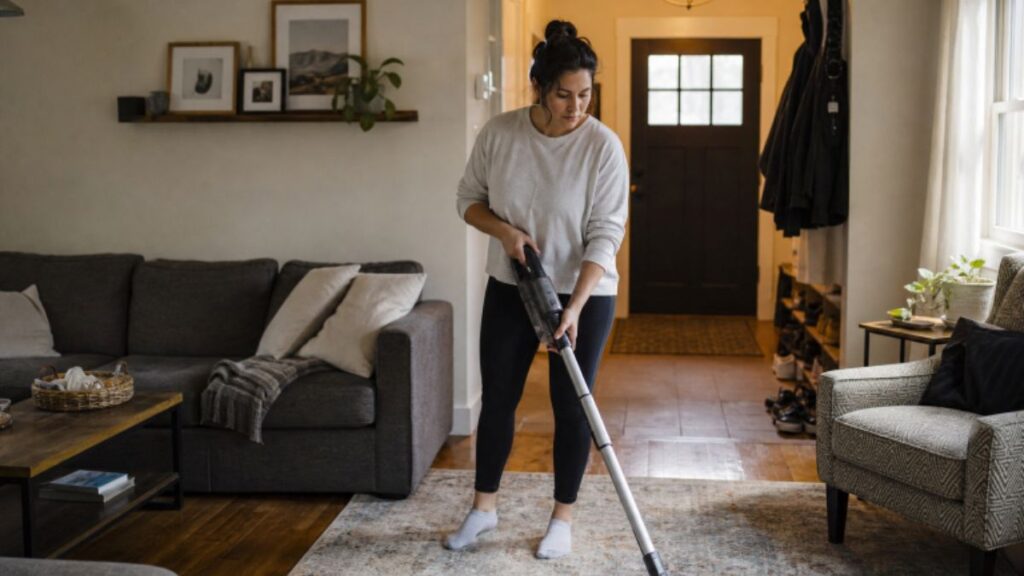
A weekly routine can be brief and still make a noticeable difference. Remove clutter, vacuum slowly through busy areas, make extra passes near entrances and sofas, use an edge tool along baseboards, and check for new stains, damp spots, or odors. Homes with pets, children, or frequent guests may need this routine more often.
Choose the Right Vacuuming Approach
Slow, deliberate passes are generally more useful than quickly moving across the room. Use the correct height setting, keep filters clean, and vacuum in multiple directions where soil is heavy. Attachments can help with rugs, stairs, corners, and beneath furniture. Always follow care instructions for delicate or specialty fibers.
Fabric-covered chairs and sofas also trap everyday dust and crumbs, so households may want to include periodic upholstery cleaning in a broader fabric-care routine rather than focusing only on the floor.
Handle Spills Before They Become Stains
Respond as soon as practical, especially with colored drinks, sauces, pet accidents, or oily foods. Scrubbing can spread the spill and roughen fibers, so a gentler method is usually safer.
- Lift solids with a spoon or dull edge.
- Blot liquids with a clean, absorbent cloth.
- Work from the outside of the spill toward the center.
- Use a small amount of an appropriate cleaning solution.
- Blot again, then let the area dry fully.
- Test any product in a hidden area first.
Know When a Home Remedy Can Cause Trouble
Too much water, excess detergent, harsh chemicals, and mixed cleaning products can create bigger problems than the original spot. Ink, rust, grease, pet stains, and dark beverages can each need different treatment. If a stain resists careful blotting, repeated DIY attempts may set it deeper into the carpet or leave residue.
Control Moisture and Lingering Odors
Damp carpet should be dried promptly. Increase airflow, use fans when appropriate, move furniture away from the affected area, and avoid covering damp carpet with rugs. Persistent musty smells, recurring wet spots, visible water damage, or a known leak deserve attention beyond ordinary spot cleaning.
Connect Carpet Care With Indoor Air Quality
Carpets can hold dust, pollen, pet dander, and other particles that enter a home. Regular cleaning works best alongside entrance mats, HVAC filter changes, dusting, and reasonable ventilation. The manufacturer’s recommendations and industry standards for a specific carpet are more useful than relying on a single universal cleaning schedule.
Moisture deserves equal attention because damp indoor materials can support unwanted biological growth. Simple habits such as addressing leaks quickly, drying wet materials, and maintaining airflow align with the EPA’s guidance on controlling indoor moisture and contaminants.
Adjust the Plan for Pets, Children, and High Traffic
- Pet owners: Vacuum more frequently and treat accidents promptly.
- Homes with children: Clean food and drink spills before they dry.
- Entryways: Use mats and keep outdoor shoes near the door when possible.
- Busy rooms: Rotate furniture occasionally to reduce concentrated wear patterns.
- Allergy-sensitive households: Maintain consistent dust control and seek medical guidance for individual health concerns.
Signs It May Be Time for a Deep Cleaning
- Traffic lanes are darker than the surrounding carpet.
- Odors return shortly after vacuuming.
- Several spots remain after careful treatment.
- The carpet feels stiff, sticky, or matted.
- Routine care no longer restores a clean-looking finish.
What to Ask Before Hiring a Carpet Cleaning Professional
- Which cleaning method suits this carpet’s fiber and backing?
- How will stains and heavily used areas be handled?
- What products will be used in the home?
- How long should drying take under normal conditions?
- How will nearby furniture and surfaces be protected?
- Are stairs, odor treatment, or difficult stains priced separately?
A Practical Carpet Care Calendar
- Daily: Address fresh spills and remove dirt near entrances.
- Weekly: Vacuum thoroughly and inspect high-use areas.
- Monthly: Clean edges, corners, stairs, and reachable areas under furniture.
- Seasonally: Review odors, traffic patterns, moisture issues, and vacuum filters.
- As needed: Arrange deeper treatment when normal care no longer helps.
Common Questions About Carpet Maintenance
Can vacuuming alone keep carpet clean?
Vacuuming removes loose debris and should be done consistently, but it may not remove embedded soil, oily residue, or set-in stains. It is the first step, not always the final one.
How soon should a spill be treated?
As soon as possible. Blotting quickly with limited moisture is generally safer than waiting or aggressively scrubbing the area.
Can damp carpet create a musty smell?
Yes. Slow drying can contribute to stale odors and moisture issues, so wet areas should be dried promptly, and the problem should be investigated if it returns.
How can carpet last longer?
Remove soil regularly, use entrance mats, treat spills promptly, rotate furniture when practical, and choose cleaning methods appropriate to the material.
Conclusion
Carpet care works best as an ongoing routine instead of a last-minute rescue. Small, consistent habits can limit buildup, reduce stains, and help rooms feel fresher throughout the year.