
In California’s dynamic real estate market, technology is revolutionizing multifamily leasing. From artificial intelligence (AI) to smart home integrations, these advancements are enhancing efficiency and elevating the resident experience. For those seeking expert property management services in areas such as La Crescenta, including multi family leasing La Crescenta CA, S.I.G. Property Management offers comprehensive solutions tailored to diverse needs.
These innovations also help streamline communication between property managers and tenants, reducing delays and improving overall satisfaction. Data-driven tools allow leasing teams to better understand market trends and adjust strategies in real time. As a result, both property owners and residents benefit from a more responsive and efficient leasing process.
AI in Leasing: A Game Changer
Artificial intelligence is transforming the leasing process by automating tasks and providing personalized experiences. AI-powered platforms can handle inquiries, schedule tours, and even assist with lease agreements, allowing leasing agents to focus on building relationships with potential tenants. This integration leads to faster leasing cycles and improved operational efficiency.
AI chatbots, for example, are available around the clock, answering prospective tenants’ questions instantly, scheduling showings, and guiding renters through the application process. This capability not only expedites leasing but also prevents leads from being lost to delayed responses, a common issue before automation. AI can also analyze applicant data, credit, rental history, and income verification, and quickly flag potential risks, significantly reducing manual screening time.
Furthermore, machine learning algorithms can match rental listings with tenant preferences for price, amenities, and location, generating customized recommendations. These technologies reduce friction and boost satisfaction by giving prospects more relevant information earlier in their search journey. Reducing administrative burden allows property managers to allocate more time to nurturing leads at critical decision points and to maintaining positive resident relationships throughout the tenancy cycle.
Smart Home Integration: Meeting Resident Expectations
Today’s residents expect modern amenities, and smart home technologies are at the forefront of these demands. Features like smart locks, thermostats, and lighting systems not only enhance convenience but also contribute to energy efficiency. Properties equipped with these technologies are more attractive to prospective tenants, giving them a competitive edge in the market.
Smart security systems with integrated cameras and sensors provide peace of mind for both residents and landlords, making these homes particularly desirable for families and remote workers. Remote-controlled thermostats and appliances give residents greater flexibility and help them manage their comfort and utility consumption, often resulting in lower energy bills. These amenities also align with sustainability goals, a growing priority among California renters, demonstrating property owners’ commitment to environmentally friendly living.
What’s more, property managers benefit from remote monitoring and control over building systems. They can optimize heating and cooling across the building, respond to tenant concerns promptly, and proactively address maintenance needs. By investing in smart home technology, property managers not only meet today’s market expectations but are also future-proofing their portfolios against rising resident demands.
Centralized Operations: Enhancing Efficiency
Managing multiple properties can be complex, but centralized operations simplify this process. Integrated platforms allow property managers to oversee leasing, maintenance, and resident communications from a single interface. This centralization reduces errors, streamlines workflows, and provides a cohesive experience for both staff and residents.
Centralized communication portals allow residents to submit maintenance requests, pay rent, and communicate concerns in real time. Automated notifications and reminders keep tenants informed, improve payment on-time rates, and reduce misunderstandings. Staff workload is reduced through the automation of repetitive tasks, such as lease renewals, rent tracking, and scheduling, freeing up bandwidth to focus on improving property value and service quality.
These tools are especially vital for management companies operating across large geographic regions or with diverse property types, as they offer unified oversight and reporting. Data collected across portfolios can be centrally analyzed to identify trends in maintenance, leasing speed, and resident turnover, thereby identifying opportunities for operational improvements at scale.
Data-Driven Decisions: The Power of Analytics
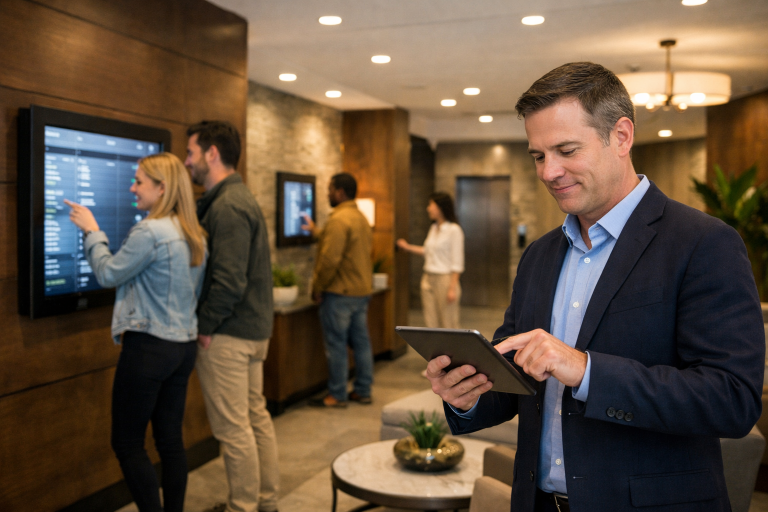
Utilizing data analytics enables property managers to make informed decisions. By analyzing trends in tenant behavior, market conditions, and operational performance, managers can identify areas for improvement and implement strategies that enhance profitability and resident satisfaction.
For example, occupancy analytics can reveal seasonal patterns or changing resident demographics, while maintenance tracking can pinpoint recurring issues within certain units or buildings. Commercially available software platforms now use predictive analytics to estimate maintenance needs before breakdowns happen, reducing costly emergency repairs and improving equipment longevity.
Market data helps property managers set competitive rents and tailor marketing campaigns to achieve higher conversion rates. Digitally collected resident satisfaction surveys, analyzed at scale, can reveal common complaints and amenities that drive lease renewals. Ultimately, analytics enable property owners and managers to make proactive, data-backed decisions that improve NOI (net operating income) and overall asset performance.
Balancing Technology and Human Touch
While technology offers numerous benefits, maintaining a human connection remains crucial. Personal interactions build trust and foster a sense of community among residents. Successful property management involves leveraging technology to handle routine tasks while ensuring that staff are available to address complex issues and provide personalized service.
On-site events and face-to-face communications help create a welcoming environment and reinforce a sense of belonging. Property managers who use digital tools to streamline workflows can devote more time to these important resident interactions, offering guidance, resolving conflicts, or organizing community-building activities. Residents appreciate having access to online portals, but they also value knowing a helpful person is there when problems arise.
Future Trends: What’s Next?
Looking ahead, the integration of AI and machine learning will continue to evolve, offering even more sophisticated tools for property management. Virtual reality tours, predictive maintenance, and enhanced data security measures are just a few of the innovations on the horizon. Staying abreast of these trends will be essential for property managers aiming to remain competitive.
Other anticipated advancements include blockchain-based leasing for secure, transparent transactions, facial recognition for enhanced building access, and leveraging the Internet of Things (IoT) for detailed, real-time property monitoring. Electric vehicle charging stations and green building certifications are also gaining traction, reflecting both regulatory changes and evolving tenant values. Property managers who continually adapt to these advancements will attract forward-thinking residents and succeed in a rapidly shifting market landscape.
Conclusion
Technology is undeniably reshaping the multifamily leasing landscape in California. By embracing AI, smart home integrations, and centralized operations, property managers can enhance efficiency and meet residents’ evolving expectations. Balancing these technological advancements with a personal touch will be key to success in this rapidly changing industry.
As the market continues to evolve, those who strategically implement new technologies while never losing sight of the value of human service will be ideally positioned to thrive both now and in the years to come.