
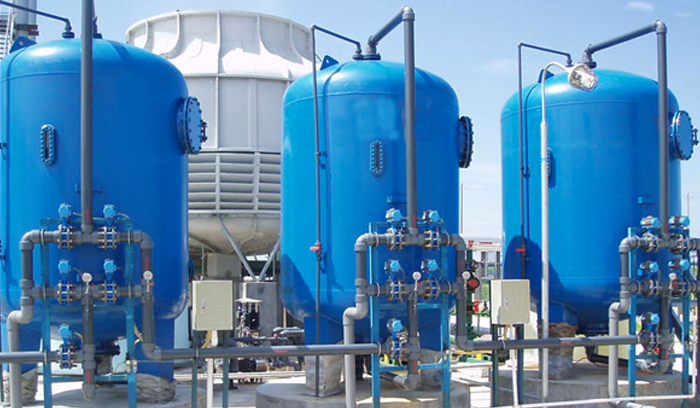
Efficient water treatment is a critical consideration for industrial operations, where consistent water quality supports both production processes and equipment longevity. Sand filtration has long been a dependable method for removing suspended solids and impurities, ensuring that water meets quality standards while minimizing wear on downstream systems. Skid-mounted sand filters, with their modular and compact design, offer a flexible approach that simplifies installation and integration into existing treatment processes.
For facilities with temporary projects or variable water treatment needs, industrial skid-mounted sand filter rental provides a practical solution. By allowing operators to deploy fully equipped filtration units without long-term investment, these systems deliver immediate water quality improvements while maintaining operational flexibility. This adaptability complements the technical robustness of skid-mounted designs, making them an efficient choice for industrial water treatment applications.
Understanding Skid-Mounted Sand Filters
Skid-mounted sand filters are available as integrated units, securely mounted on a portable frame for maximum convenience. Each system typically houses all vital components: pump, pressure vessels, sand filtration chamber, piping, valves, and automation controls. By filtering suspended particulates and contaminants, these systems maintain water quality for both supply and reuse, helping businesses comply with regulatory limits and protect sensitive equipment downstream.
The skid frame not only facilitates rapid installation but also ensures that all equipment is correctly aligned and tested before shipment. This means fewer construction risks and improved commissioning timelines, offering a solution that is both robust and fast to integrate into wider water treatment trains.
Key Benefits of Skid-Mounted Sand Filters
- Rapid Deployment: The pre-engineered assembly allows facilities to drastically cut installation and commissioning times, resulting in quicker project rollouts and less lost production.
- Space Efficiency: Skid-mounted systems offer a compact footprint, an advantage for retrofits or tight plant environments where space optimization is key.
- Consistent Operation: Automation and integrated controls yield reliable filtrate quality, reducing operator error and manual intervention compared to piecemeal solutions.
- Cost-Effectiveness: Prefabrication reduces site-specific labor costs and minimizes costly mistakes, while material choices, such as stainless steel, contribute to lower life-cycle costs and maintenance needs.
Applications Across Industries
Industrial skid-mounted sand filters are employed across a broad array of sectors that rely on efficient water filtration:
- Manufacturing: Protects sensitive machinery and ensures consistent water quality for precision-intensive processes or cooling.
- Food and Beverage: Provides reliable contaminant removal for wash water, steam generation, or direct product incorporation without risking flavor or shelf life.
- Municipal Water Treatment: Helps water utilities meet safe drinking standards by reducing turbidity and removing sediment from raw or pre-treated supplies.
- Agriculture: Guards drip and spray irrigation systems against clogs while preserving crop health, especially when using reclaimed or surface-source water.
Technological Advancements in Sand Filtration
Over recent years, sand filtration technology has benefited from enhancements in both design and materials. Innovations include more corrosion-resistant housings, improved underdrain systems for even flow distribution, and smarter automation for precise filter backwashing cycles. Utilizing materials such as 304 stainless steel frames and fittings ensures durability in demanding industrial conditions. Some manufacturers are also exploring filter media such as heat-treated crushed glass, which offers higher efficiency, a longer media lifespan, and easier recyclability than traditional silica sand.
Moreover, programmable logic controllers (PLCs) and remote monitoring are increasingly standard, enabling operators to optimize performance, track fouling rates, and trigger maintenance in real-time. This digital integration further reduces unplanned shutdowns and coding errors.
Environmental Considerations
With increased focus on sustainability, many new skid-mounted sand filters incorporate features that limit environmental impact. Automated backwash routines conserve water by cleaning only when sensors detect a rise in pressure or turbidity, ensuring efficient resource use. Some systems use closed-loop water recycling, capturing and treating backwash effluent for re-use within the facility.
The shift to eco-friendly filtration media not only boosts performance but also reduces reliance on mined sand. Facilities striving for certifications such as LEED can leverage these innovations toward their environmental compliance goals. For more on the global movement toward cleaner industrial water solutions, reference the United Nations water quality resources.
Maintenance and Longevity
Operational reliability hinges on regular upkeep. Routine backwashing remains the most important maintenance procedure, as it flushes trapped particles from the sand bed, preventing compaction and excess head loss. Additionally, inspecting mechanical parts like automated valves, pressure sensors, and pump seals enables early detection of wear or scaling that could otherwise degrade efficiency.
Factory-built systems made with superior alloys or specialized coatings resist rust and biofouling, supporting long service intervals and lower annual spend on parts and labor. Documenting maintenance routines and using OEM-approved replacements extends the working life of the entire filtration unit, maintaining regulatory compliance and water quality over years of operation.
Conclusion
Across manufacturing, municipal, agricultural, and food and beverage sectors, industrial skid-mounted sand filters offer a compelling combination of speed, efficiency, and sustainability. Their plug-and-play design, technological upgrades, and eco-friendly options enable facilities to meet regulatory requirements while saving money and boosting productivity. By integrating reliable filtration at scale, companies can safeguard their operations, minimize downtime, and contribute meaningfully to environmentally sound water practices.