
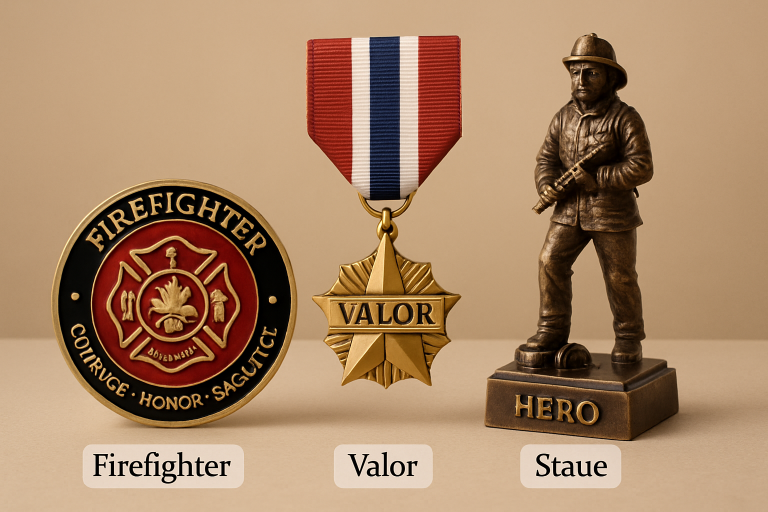
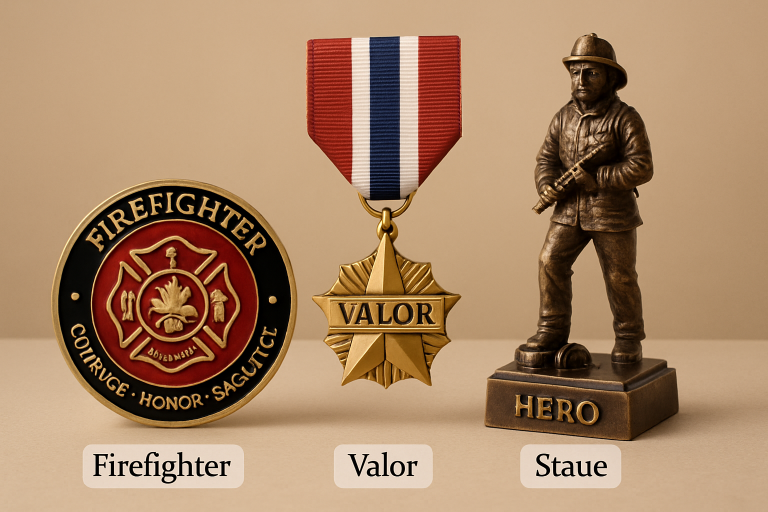
Throughout history, communities around the world have discovered meaningful ways to recognize individuals who make extraordinary contributions to society. One of the most enduring methods is the awarding of symbolic tokens tangible objects such as coins, medals, or statues that serve as lasting reminders of appreciation and significance. Among the most popular forms of recognition, the firefighter challenge coin has become a celebrated example, physically representing the courage and commitment of those who protect and serve.
Beyond their aesthetic appeal, symbolic tokens have a deep emotional and psychological impact. They bridge generations, communicate values, and inspire future acts of bravery, leadership, and service. By fostering a culture that honors achievement and sacrifice, communities reinforce foundational values and create a shared sense of pride and belonging that unites members in times of both triumph and tragedy.
Historical Significance of Symbolic Tokens
Symbolic tokens have played a profound role across cultures, often representing shared values, historical milestones, or a community’s collective identity. Ancient societies used engraved stones, coins, and emblems to delineate group boundaries, communicate authority, and immortalize stories worth remembering. These practices laid the foundation for the meaningful organizations and institutions seen today, proving that physical symbols can unite people around common ideals and help safeguard community memory. According to Smithsonian Magazine, symbols such as tokens and statues have bridged diverse populations, making complex concepts instantly recognizable and meaningful to all.
Challenge Coins as Symbols of Recognition
Challenge coins began as military honors, but their role has expanded significantly over time. Today, they are widely awarded among first responders, including firefighters, police officers, and paramedics, to acknowledge acts of heroism, exceptional service, or lifelong dedication to a cause. These coins foster camaraderie among members, reminding them and the wider community of shared values such as commitment and bravery. For firefighters, receiving such a coin reflects a deep bond within the team and serves as a reminder of the dangers they willingly face to protect others.
Memorial Statues: Commemorating Legacies
Memorial statues have a truly lasting impact, immortalizing the legacies of community heroes for generations. These striking works of art serve as gathering places for tribute, reflection, and remembrance. For example, large bronze statues of firefighters or police officers tell powerful stories of sacrifice and resilience. They are often placed in public spaces to encourage ongoing community dialogue and inspire youth to follow in the footsteps of their local heroes. Thoughtfully situated, memorial statues keep histories alive in the very heart of the towns and cities they protect.
Personalized Medals: Celebrating Milestones
Personalized medals are another cherished form of recognition, symbolizing achievement at both individual and group levels. In public safety, custom medals mark successful operations, leadership during crises, or enduring service over a long career. The engraved details on each medal turn every accomplishment, no matter how big or small, into a story worth passing down. Whether for a firefighter who saved lives in a dangerous blaze or a police officer serving decades with integrity, these medals preserve legacies and strengthen institutional bonds.
Community Engagement Through Symbolic Tokens
Symbolic tokens can powerfully drive collective engagement. Community-wide projects such as laying coins, wreaths, or flags on the graves of fallen heroes encourage a shared act of remembrance and provide opportunities for public participation in stories of service. Volunteer-driven initiatives give everyone a stake in the community’s legacy, inspiring unity and gratitude across generations. As reported by NPR, such rituals of remembrance foster a sense of collective appreciation and keep stories of heroism at the center of community consciousness.
 Psychological Impact of Symbolic Recognition
Symbolic recognition goes beyond outward acknowledgment, bringing about meaningful psychological benefits for both recipients and observers. When individuals are honored with tokens, whether coins, medals, or statues, they experience a validated sense of belonging, pride, and value. This fostered sense of esteem not only aids individual well-being but also strengthens group identity and cohesion. Psychological studies have demonstrated that meaningful recognition boosts morale, resilience, and the desire to further contribute to the community, underscoring the transformative power of thoughtful symbolic gestures.
Best Practices in Designing Symbolic Tokens
Designing symbolic tokens requires careful attention to authenticity and representation. Including local artists, historians, and community leaders in the design process ensures that tokens truly reflect the community’s identity. Drawing inspiration from culturally relevant motifs, meaningful colors, and important local events makes the final product resonate deeply with its recipients. Additionally, open participation in design selection and unveiling ceremonies enhances buy-in and strengthens the bond between recipients and the wider community, cultivating a cycle of shared trust, motivation, and pride.
Conclusion
Symbolic tokens remain vital in recognizing and commemorating the contributions of community heroes. By embracing challenge coins, memorial statues, and personalized medals, communities craft enduring legacies and reinforce the principles of service, courage, and unity. These tokens transcend generations, uniting individuals around meaningful shared histories and ensuring that acts of heroism and dedication are never forgotten.