Table of Contents
- Site Selection and Orientation
- Understanding Local Regulations
- Designing for the View
- Material Selection for Durability
- Energy Efficiency and Sustainability
- Incorporating Outdoor Living Spaces
- Privacy and Landscaping
- Final Thoughts
There’s an undeniable allure to living by the water. Building a custom lakefront home not only delivers tranquility but also provides a canvas to showcase both natural beauty and a personalized living experience. Partnering with a skilled home builder can help you navigate the complex decisions that come with lakeside living and blend modern amenities with the stunning landscape.
From selecting the perfect site to ensuring your home is sustainable and durable against the elements by the lake, a well-thought-out approach makes all the difference. Whether you are envisioning wide vistas, seamless indoor-outdoor transitions, or a private escape, advance planning is crucial to creating a lakeside home that stands the test of time and taste.
Site Selection and Orientation
The foundation of a successful lakefront home project lies in thoughtfully selecting and positioning your home site, often in coordination with an experienced building contractor who can help assess feasibility and structural requirements. Elevation plays a crucial role: higher ground can offer more expansive views while adding a layer of protection against flooding. You’ll also want to consider the soil stability beneath your foundation and the lot’s proximity to the waterline. Orienting the house to capture prevailing breezes can create more enjoyable outdoor spaces and improve natural cooling indoors, reducing your reliance on mechanical air conditioning.
Understanding Local Regulations
Local zoning laws, environmental codes, and neighborhood association restrictions can all influence what you can build. These rules often dictate how close to the waterline your home can stand, the type of dock allowed, septic system standards, and more. Early engagement with local agencies and reading up on regional building guidelines can head off costly revisions down the line. If you are unfamiliar with the requirements, it may be helpful to consult professionals who regularly handle lakeside builds in your region.
Designing for the View
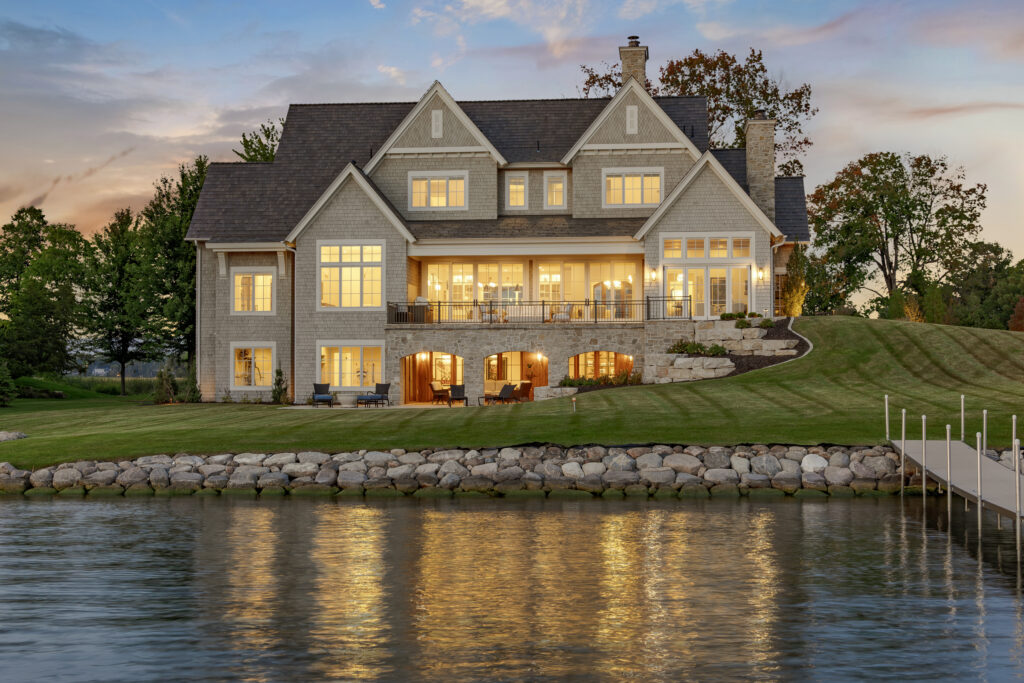
One of the biggest benefits of lakefront living is the view. Designing your home to emphasize this aspect transforms ordinary moments into extraordinary experiences. Prioritize orienting major spaces, such as the living room, kitchen, and primary suite, to face the lake. Large, strategically placed windows, sliding doors, and open plan layouts foster a sense of connection between your home’s interior and the landscape. Incorporating elements such as covered porches or glass railings can further enhance the seamless indoor-outdoor feeling without obstructing your view. According to Architectural Digest, integrating the scenery into your design is a central theme in successful custom homes.
Material Selection for Durability
The watery environment of lakeside property exposes homes to unique weathering such as humidity, wind-driven rain, and the threat of flooding. Material selection is therefore critical for longevity and lower maintenance. Composite decking, fiber cement siding, and stainless steel hardware are excellent options for exteriors. They better withstand moisture and resist rot, rust, and fading. Inside, moisture-tolerant flooring and wall treatments help preserve a fresh appearance. Investing in enduring materials early will pay off in comfort, appearance, and long-term savings.
Energy Efficiency and Sustainability
Sustainable building practices are vital for both environmental stewardship and practical cost savings. Energy-efficient windows and ample insulation retain indoor temperatures and reduce heating and cooling expenses. Solar panels, when feasible, can supply renewable energy and lessen your carbon footprint. Smart home technology like programmable thermostats and advanced lighting controls optimizes energy use, keeping utility bills in check while boosting comfort. Using environmentally responsible building methods can also increase the value and appeal of your property for future resale.
Incorporating Outdoor Living Spaces
Lakefront living is synonymous with outdoor living. Decks, patios, screened porches, and docks become natural extensions of your home, providing spaces for entertaining, relaxing, or enjoying water sports. The design of these areas should complement the home and use durable materials that resist moisture and rough weather typical of lakeside locations. Creating transitions from indoors to out without steps, barriers, or disruptions encourages year-round enjoyment.
Privacy and Landscaping
Privacy is a consideration for any home, especially on the lake, where neighboring properties may be close. Native trees, shrubs, and grasses create effective natural screens while also requiring less water and upkeep. Position landscape features to ensure seclusion from prying eyes without blocking the panoramic views. Integrating local plant species offers the double benefit of blending your property into the environment and protecting the shoreline from erosion.
Final Thoughts
A custom lakefront home stands at the intersection of personal comfort and environmental awareness. Success lies in careful site selection, smart orientation, and a thoughtful blend of materials with design. By emphasizing sustainability, capturing lake views, and creating outdoor living spaces that blend seamlessly with nature, you can fashion a peaceful retreat that is beautiful now and resilient for generations.