
Knowing your rights during a police stop is essential for your protection and peace of mind. Whether you are stopped while driving, walking, or in another situation, understanding your legal boundaries helps ensure each interaction with law enforcement unfolds as safely as possible. Many people feel anxious or uncertain when confronted by police, but preparation is key to staying calm and confident. If you are ever unsure about the best steps to take or encounter a challenging situation, consulting with a resource like martinlawfirmpc.com can provide tailored guidance on handling your particular circumstances and protecting your interests.
Each police stop is unique, but understanding your constitutional rights, such as your right to remain silent and your right to privacy, can greatly affect the outcome. These fundamental protections are designed to safeguard you from self-incrimination and prevent unlawful searches and seizures, regardless of whether you believe you’ve done anything wrong. Maintaining a calm demeanor, showing respect, and being well-informed are crucial; in fact, they are your best shields in asserting your rights effectively without escalating the situation. Developing this awareness can help you avoid inadvertently waiving important legal protections just by your words or actions during an encounter.
Rights During Traffic Stops
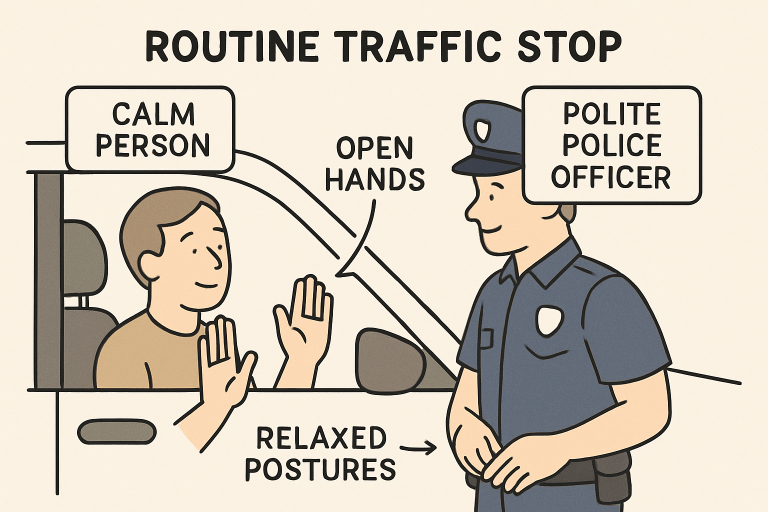
If you are pulled over by the police, the law requires you to provide your driver’s license, registration, and proof of insurance—these are basic identifying documents to verify that you are legally operating the vehicle. Beyond this requirement, you are not obligated to answer police questions about where you have been, where you are going, or any other personal matters. Remaining polite, keeping your hands clearly visible on the steering wheel, and avoiding sudden movements can help reduce any tension during a stop. If you are asked additional questions, you can politely respond, “I do not wish to answer,” or “I prefer to remain silent.” Adolescents and young adults, who may feel especially vulnerable during these encounters, should practice these responses. Remember, if you choose to assert your rights, do so calmly and respectfully to avoid unnecessary escalation. This approach does not suggest you are guilty of anything; it simply protects your interests.
Searches and Consent
One of the most common points of confusion and stress during a police encounter centers around searches. Unless the police have a search warrant or see evidence of a crime in plain view, have specific probable cause, or you give explicit permission, they cannot legally search your vehicle, your bags, or your person. For example, if an officer asks, “May I look in your car?” you are within your rights to say, “I do not consent to a search.” This clear statement can protect you from having to allow a search you might otherwise have refused. It is crucial to state your refusal in a firm but non-confrontational tone. Some situations, such as searches related to arrests or when there is an immediate threat, may be exceptions, but broadly, the rule remains: you must give consent, or the officer must meet a legal standard.
Right to Remain Silent
The Fifth Amendment of the U.S. Constitution grants you the right to remain silent to avoid self-incrimination. This is one of your most important protections during police stops because anything you say can be used against you in court. You may exercise this right at any time by calmly saying, “I am invoking my right to remain silent.” Once this is stated, you do not have to answer further questions about your activities, intentions, or relationships. Keep in mind you may still need to provide basic identification details if required by law in your state. The act of remaining silent cannot be used as evidence of your guilt, and you cannot be punished for asserting this right. If you are detained or arrested, continue to remain silent until your attorney is present, as having legal counsel is crucial when facing formal questioning.
How to Respond to Police Requests
Handling police requests requires a balance of politeness and firmness. Always address officers respectfully, avoid any sudden or potentially threatening gestures, and comply with basic instructions, such as providing identification or stepping out of your vehicle if asked. If you are asked to consent to a search and do not wish to allow it, clearly state that you do not consent, but do not try to physically prevent the search. Keeping your responses short and non-confrontational helps protect your rights and safety. If at any point you feel your rights are being violated or you are unsure whether you should comply, do not argue or resist. Instead, document the incident as soon as possible and consult a legal expert.
Legal Resources and Support
After any police stop, especially if you feel your rights have been violated or you’re unsure about the legality of law enforcement’s actions, promptly consult with an attorney. Legal experts can review your situation, guide you on possible next steps, and, if necessary, help you file complaints or challenge evidence. Many communities offer free or low-cost legal aid for those who need assistance but cannot afford an attorney. Civil rights organizations, such as the American Civil Liberties Union (ACLU) and Legal Aid Society, provide valuable support and resources to help you understand and assert your rights. If you are arrested or charged, having legal counsel early in the process can significantly impact the outcome of your case—never waive your right to an attorney.
Common Misconceptions
- It is a myth that remaining silent or refusing a search automatically means you are guilty. In reality, these are constitutional protections every person enjoys to prevent wrongful self-incrimination or unlawful searches.
- Providing identification in specific situations is required by law, but you are not obliged to answer all questions posed by officers. Know what information the law requires you to share, and feel confident in declining to answer beyond that.
- Consenting to a search may waive some of your legal protections, meaning evidence found could be used against you in court even if you weren’t aware of the consequences. Always fully understand what you are agreeing to when officers request to conduct a search.
- Recording police stops is allowed in most states, provided you do not interfere with officers while they are performing their duties. However, recording audio or video may be subject to local or state laws, especially regarding consent from those being recorded, so familiarize yourself with the rules in your area.
Final Thoughts
Understanding your rights during police stops helps you navigate these encounters confidently while upholding your legal protections. Whether you experience a routine traffic stop or a more complex interaction with law enforcement, knowing the law puts you in a stronger position to protect yourself and respond appropriately. If you have concerns about a police encounter, always seek legal aid or advice to clarify your rights and responsibilities. By staying informed and respectful, you can safeguard your interests in any law enforcement situation.