

Understanding the Power of Small Habits
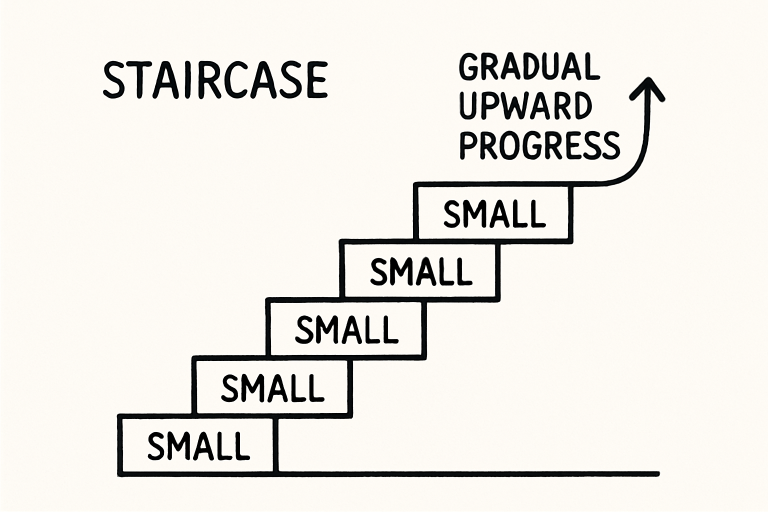
Small, intentional actions can ignite major life transformations. Rather than overhauling your routines overnight, focusing on the “compound effect” of repeated micro-improvements frequently leads to more meaningful and enduring results. By making a tiny adjustment each day, even just 1 percent, you can dramatically alter your trajectory over the course of a year. Whether you are pursuing personal growth or curating a professional image, insights from a womens professional outfit blog illustrate how small wardrobe choices accumulate to create a polished, confident presence.
Research supports that gradual betterment is far more accessible and lasting than sprinting toward a lofty goal and risking burnout. Over time, these microhabits build self-efficacy and reshape your everyday routines, establishing powerful momentum that is both visible and rewarding. According to James Clear’s guide to habit-building, tiny steps are the backbone of sustainable, long-term change.
Why Small Changes Are More Sustainable
Everyone is familiar with the rush of starting a new goal, but enthusiasm often fizzles when facing dramatic lifestyle shifts. Studies published in TIME underscore that individuals who implement smaller, more manageable actions are less likely to experience discouragement or failure. Mini changes feel less daunting, require fewer resources, and are easier to fit into busy lives, creating a path toward progress without triggering resistance.
Small, sustainable steps gradually rewire your brain, normalizing new actions as part of your daily routine. Instead of struggling against old patterns, you begin to operate on autopilot, transforming effortful behaviors into automatic ones. This not only increases your chance of long-term adherence but also frees up energy to tackle new priorities as your confidence grows.
Practical Steps to Build Lasting Habits
- Start Small: Choose one easy-to-adopt action to anchor your new habit. This can be reading a single page before bed, doing two push-ups every morning, or writing one sentence in a journal daily. These manageable goals help you avoid overwhelm and make success more achievable, which in turn strengthens your commitment and self-belief.
- Be Consistent: The key to forming a habit is repetition. Link your new habit to an existing cue, such as brushing your teeth, brewing coffee, or arriving at your desk. Performing the same action at the same time each day boosts retention and increases the likelihood your new habit will stick.
- Track Progress: Keeping a visual record helps reinforce your efforts and provides extra motivation. Whether you prefer apps, notebooks, or simple checklists, seeing results, no matter how small, builds momentum and increases your sense of accomplishment.
- Adjust as Needed: If something isn’t working or feels too challenging, don’t give up entirely. Experiment with slight tweaks until you find a system that fits your life. Flexibility is crucial for making your new routine sustainable.
Real-Life Examples of Small Changes Leading to Big Results
- Health Improvement: One person’s commitment to drinking a glass of water and completing 2 push-ups daily led to 15 pounds of weight loss and better sleep after just 6 months. Tiny changes, when sustained, can yield striking health benefits.
- Career Advancement: Another example is a professional who resolved to read ten pages every evening. Over the course of a year, they finished 14 books, developed deeper expertise, and earned a promotion to a leadership position.
- Financial Growth: By setting aside a small sum every day, one individual steadily grew their savings. The habit felt insignificant at first, but with consistency, it amassed into noticeable financial security within a year.
Overcoming Common Challenges in Habit Formation
Forming new habits can be tough, with frequent obstacles such as wavering motivation, simple forgetfulness, and unrealistic plans. To conquer these hurdles:
- Set Clear, Achievable Goals: Focus on specific, realistic targets to maintain enthusiasm and direction.
- Use Reminders: Place notes or set alarms to nudge yourself toward completing your habit until it becomes automatic.
- Seek Support: Accountability from friends or like-minded communities can help keep you on track, provide encouragement, and celebrate milestones together.
The Role of Mindset in Habit Formation
Achieving lasting change is rooted in mindset. Those who adopt a positive, growth-oriented attitude believe in their own capacity for change and are more resilient when setbacks arise. Accepting that progress matters more than perfection helps you stay persistent even when you fall short. Embracing a growth mindset, as psychologists explain on Harvard Health, enables you to adapt and bounce back, turning obstacles into opportunities for self-improvement.
Final Thoughts
Building lasting habits is not about making a single, sweeping change, but growing through small, consistent actions. By starting small, staying steady, celebrating incremental wins, and cultivating a positive mindset, you will pave the way for meaningful transformation across all aspects of life. The key is patience; over time, those simple daily choices accumulate, leading to big results and greater fulfilment.