Ensuring your home is properly insulated is one of the most effective ways to boost comfort and lower monthly energy costs. By adding suitable materials to targeted areas, insulation forms a thermal barrier against unwanted heat transfer, keeping your living spaces consistently pleasant regardless of the weather outside. Working with specialists like NetZero can help you make informed choices about the products and techniques that will maximize your home’s efficiency for years to come.
Insulation not only helps your heating and cooling systems operate more efficiently, cutting your utility bills, but it can also transform your living environment, making it more peaceful and healthier. Understanding the types of insulation available, where they should be installed, and the additional benefits they offer is crucial for homeowners seeking to enhance both comfort and value.
Understanding Insulation
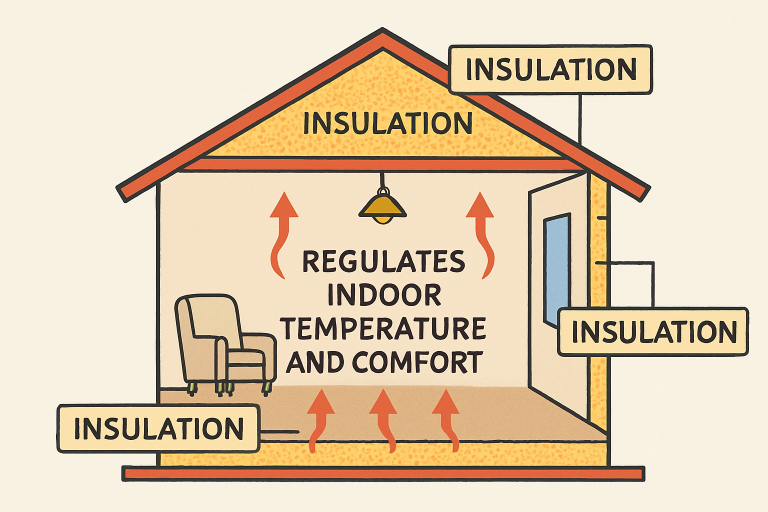
Insulation slows heat flow, helping maintain internal temperature year-round and reducing energy use. Materials like fiberglass, spray foam, and foam boards disrupt heat transfer, easing HVAC work and enhancing comfort. While simple, insulation is a strategic upgrade that improves home performance by preventing heat loss and protecting against moisture and temperature damage.
 Energy Savings Through Insulation
Energy efficiency is one of the standout advantages of sound insulation. According to the U.S. Department of Energy, households with upgraded insulation can lower their heating and cooling expenses by as much as 15%, helping homeowners realize ongoing financial savings while supporting sustainability goals. The savings can be especially significant in older homes where insulation may be lacking or outdated. Targeting attics, crawl spaces, and basement rim joists can be particularly impactful, as these are key points where heat frequently escapes or enters the home.
Types of Insulation Materials
The best insulation for your home depends on various factors, including climate, location, and budget. Common materials include Fiberglass Batts for standard cavities, spray foam for thermal resistance and air sealing, cellulose, an eco-friendly option for irregular spaces, and Rigid Foam Boards for high R-values in foundations and walls. Selecting the appropriate insulation type maximizes performance and investment.
Key Areas to Insulate
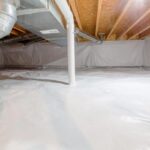
To enhance comfort and efficiency in your home, it is crucial to address thermal barriers effectively. Key areas to focus on include: the attic, which is a significant source of energy loss due to heat rising; walls, which should be adequately insulated to maintain warmth in winter and coolness in summer; floors over unheated areas, where insulated flooring can block drafts and temperature changes; and basements and crawl spaces, which often experience cold and moisture, making insulation essential to prevent air leaks and safeguard the foundation.
Additional Benefits of Insulation
Insulation benefits go beyond energy savings. It also reduces noise thanks to sound-dampening properties, which is useful in urban areas or near busy roads. Sealing cracks with insulation improves indoor air quality by limiting outdoor pollutants, pests, and allergens. It also controls moisture, reducing mold risk and creating a healthier home.
Choosing the Right Insulation
Your region’s climate influences insulation choices, your building’s layout, and energy priorities. Consult energy auditors or contractors to identify improvements and suitable products. Homeowners upgrading for efficiency might qualify for incentives, offsetting costs and ensuring long-term savings.
Conclusion
Insulation stands as one of the most practical upgrades for both immediate comfort and future savings. By thoughtfully selecting materials and focusing on key spaces within your home, you can create a living environment that’s quiet, comfortable, energy-efficient, and built to withstand the toughest seasonal changes.