The World Health Organization states that over 16 percent of the global population lives with mobility issues. These people lack the freedom and independence to live and travel without restrictions. They encounter challenges accessing transportation services. With the rising environmental concerns and fuel prices, these people seek alternative transportation solutions.
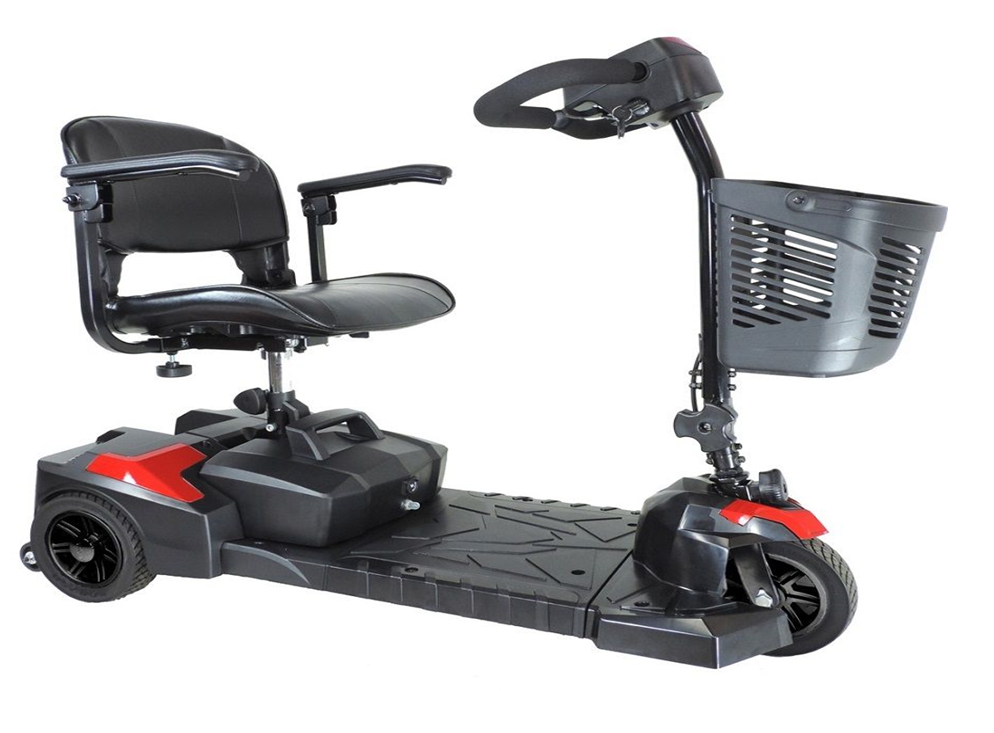
Folding scooters fall into the category of the most convenient and reliable vehicles for people with physical disabilities. They ease your transportation routines and reduce the challenge of walking or seeking public transport. These mobility vehicles are handy and easy to maneuver, providing unmatched comfort to relieve joint and back pain.
Below are five unique ways folding scooters support green mobility.
1. Minimizes Reliance on Fuel-Powered Transport
 Many people continue assuming the reliability and efficiency of fuel-powered vehicles. Those with physical disabilities understand the pain and trouble they encounter using these vehicles. They are expensive to own and barely offer the convenience users need. Maintaining these vehicles is a costly endeavor. They force the physically disabled to depend on their friends to operate and maintain them.
People with mobility issues can live better and more independent lifestyles. A folding scooter with a lightweight design and easy-to-operate mechanics streamlines operations. Because they require no fuel or mechanical components, they require minimal physical effort. The foldable nature of the scooters allows easy transportation via trains, car trunks, and buses. The ease of transportation restores freedom of movement and independence to people with physical disabilities.
The scooters use rechargeable, electric batteries, which reduces emissions and fuel costs. Therefore, they are affordable to own, operate, and maintain. Combining their sustainability and convenience makes these vehicles incredible tools for supporting green mobility.
2. Easy Storage and Lower Footprint
People with physical disabilities need sufficient storage space to transport personal support items, mobility aids, and medical supplies. They require specialized seating cushions, crutches, medications, oxygen tanks, and joint braces. Additionally, these people need shopping bags, water bottles, and clothing layers. The vehicles they use should accommodate these items without causing balance and mobility issues. Folding scooters offer practical and spacious storage systems that can hold more loads without causing physical strain.
Folding scooters have space-efficient designs to offer the desired convenience and comfort. Built-in storage compartments, including accessory hooks, rear carry bags, front baskets, and under-seat storage, provide space for those storing medical equipment and personal items. These scooters fold compactly, allowing easy storage without sacrificing storage capacity. The diverse components are simple to attach and reattach after folding. Similarly, most scooters feature foldable and lightweight frames to ease transportation. You can even store them in small living spaces with the stored belongings.
3. Minimalistic Infrastructure with Better Mobility
 One truth about traditional mobility vehicles is their substantial infrastructure. They are more demanding to operate and maintain. They require better roads, more parking spaces, and frequent visits to fueling stations. The higher costs of building and maintaining these structures make it challenging to achieve green mobility. Additionally, the vehicles occupy more urban space.
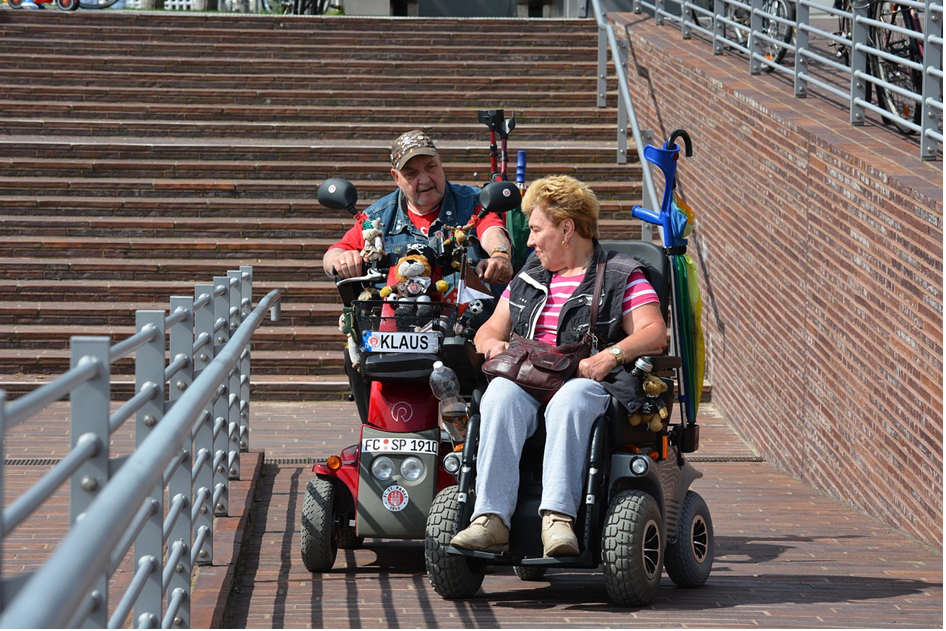
Foldable mobility scooters have a compact design that integrates into pedestrian pathways. You can use these scooters inside shopping malls, on pavements, and at public transit stations. That comes without the expenses and demands of modifying city layouts or constructing new systems. They are more suitable for urban areas with vehicle-unfriendly infrastructures.
Because these vehicles can move on indoor-accessible travel routes and walkways without obstruction, they can ease the burden on large-scale transport networks. Owning a foldable scooter is one way to lower demand for fuel-based transport solutions and congestion on roads. As more people own these vehicles, the world can achieve sustainability in road transport while making the ecosystem cleaner.
Owners can drive the scooters into buildings, buses, and trains without needing extensive mobility storage spaces or parking zones. Their compatibility with existing road infrastructure makes the vehicles more environmentally friendly, flexible, and mobile.
4. Sustainable and Cost-Efficient Operations
Traditional fuel-powered wheelchairs and mobility vehicles were a luxury that appeared efficient but expensive. These vehicles demanded extensive use of costly fuels, making them unsuitable in diverse environments. The introduction of foldable scooters streamlines everything, giving users the freedom of use without worrying about gasoline price increases. Users can run the vehicles at a lower cost, considering recharges are cheaper and last longer. Folding scooters have fewer mechanical components, fewer breakdowns, plus fewer frequent repairs. They are cheaper to operate and maintain.
Everyone wants a vehicle they can own and maintain without incurring substantial costs. Foldable scooters are an excellent choice of sustainable transport in many regions. Their low purchase and ownership costs make them suitable for people on a budget. The increase in communities and individuals using folding mobility scooters leads to reduced traffic congestion, cleaner air, and quieter neighborhoods. These guarantee long-term savings while championing environmental responsibility.
5. Reduced Carbon Print
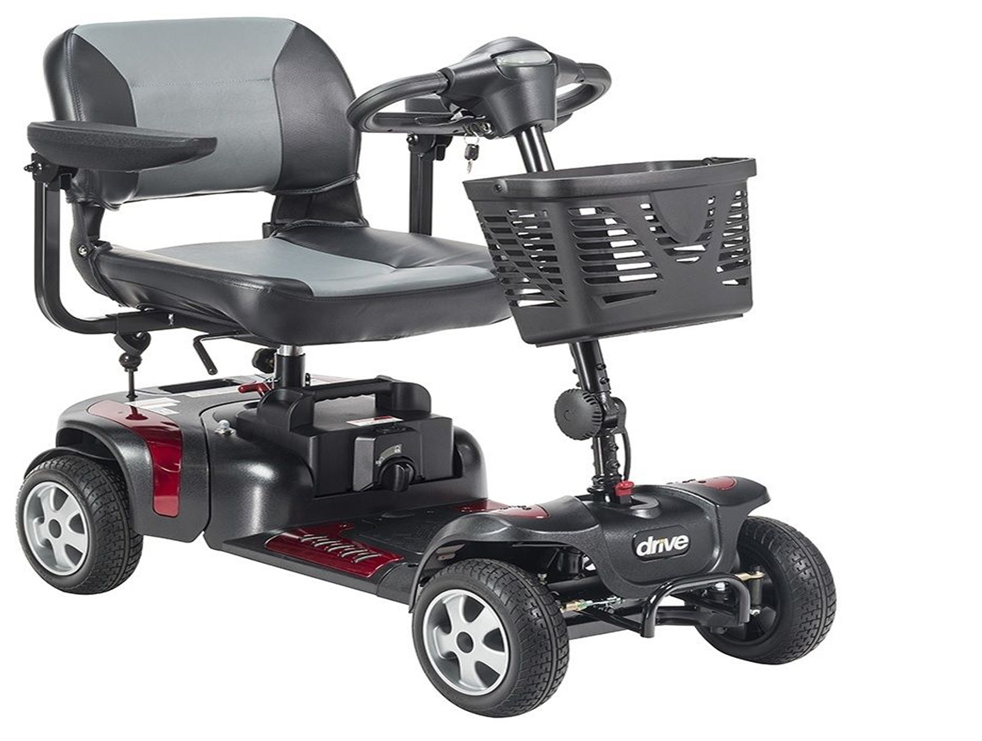 Fuel-based transport is a trend accepted and employed in many countries and cities. Many mobility vehicles and wheelchairs use fuel as the primary ignition solution. The introduction of folding scooters has changed the narrative, eliminating overreliance on fuel for transportation. Folding scooters use rechargeable electrical batteries instead of gasoline engines. They operate quietly and efficiently without tailpipe emissions that can pollute the air and generate greenhouse gases. The unique operational module reduces environmental impact while supporting eco-friendly mobility.
The foldable and lightweight design reduces excessive energy use per mile. The scooters are more energy-efficient and can travel longer after every charge. Similarly, the compact designs support smaller batteries and lower charging power. They require fewer materials to manufacture, which reduces the energy and resources consumed throughout the lifestyle. The combination of low-energy operation and support for shared transport makes foldable scooters a more sustainable and environmentally responsible choice.
Wrapping Up
Anyone with physical disabilities seeking independence and freedom to move freely should consider getting foldable mobility scooters. These eco-friendly and sustainable vehicles are lightweight and compact, enabling comfortable and smooth travel through everyday environments. They produce zero emissions and use less energy, providing seamless transportation experiences.
Folding mobility scooters integrate exceptionally with public transit systems and pedestrian pathways, which reduces strain on local government expenses. Easier integrations into modern transportation infrastructure also encourage greener travel habits. The unique designs and affordable operations make these scooters more accessible to people with mobility issues. Get a scooter today and participate in sustainable living while promoting quality lifestyles.