What Is Design-Build?
The design-build delivery model is rapidly reshaping modern construction experiences, offering a cohesive, unified process for owners eager to sidestep the standard stumbling blocks of traditional projects, unlike the classic approach—where design and construction occur in isolation, often leading to miscommunication, duplicated efforts, and rework—design-build channels every aspect through a single, dedicated team. Doing so encourages immediate problem-solving, collaborative brainstorming, and unity of project vision. This structure has empowered countless organizations, from public institutions to private enterprises, to meet demanding schedules without sacrificing creativity or craftsmanship.
Many in the industry have started leveraging https://koehncs.com/delivery/design-build/ methods to secure innovation and efficiency. When owners can contract with a group that manages every stage—concept, design, budget, schedule, and build—the process becomes noticeably smoother. According to the Design-Build Institute of America’s findings, this delivery method comprises nearly half of U.S. construction spending. That rapid rise in adoption speaks not just to fleeting trends, but to a structural shift toward integrated, outcome-focused building projects.
Key Steps and Roles Involved
A typical design-build engagement follows a series of interconnected phases, blurring the line between concept and completion. It all starts with open dialogue—stakeholders, including owners, funders, architects, engineers, and contractors, gather for visioning sessions to distill the true intent of the project. From there, the team develops initial concepts, conducts feasibility studies, and prepares early cost models that steer decision-making before a single shovel hits the dirt—unlike segmented approaches, design and pricing work hand in hand, ensuring that innovation and practicality are consistently balanced.
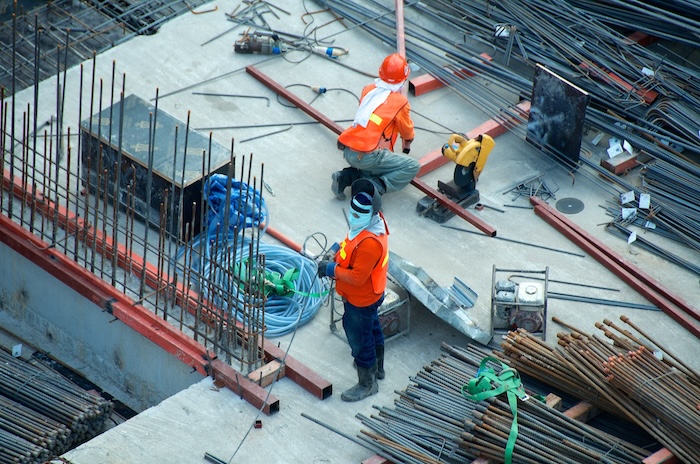
As the project progresses to detailed design and on-site activity, the design-build team’s diverse experts—project managers, lead designers, estimators, engineers, and field supervisors—continue partnering at every juncture. Each professional operates within a unified decision-making structure, allowing quick iterations and real-time value engineering. Because everyone is on the same page from day one, risks are flagged and addressed early. This dynamic ultimately reduces project silos, minimizes scope gaps, and encourages solutions that blend technical expertise with day-to-day constructability.
Benefits Of The Design-Build Method
- Accelerated Timelines: By permitting specific construction work to start even as design details are finalized, team members compress the schedule by weeks or months. Multiple industry benchmarks demonstrate 20–33% time savings over more fragmented approaches.
- Reliable Cost Controls: Integrated teams and open-book pricing reduce surprise costs down the line. Industry reports detail how streamlined processes and fewer change orders produce average savings of six to twenty percent, which can add up to millions of dollars on large-scale jobs.
- Streamlined Communication & Accountability: Owners benefit from having one clear point of contact, making complex coordination tasks manageable and bringing added peace of mind. All communications and approvals stay centralized, significantly reducing the headache of going back and forth between multiple vendors and designers.
- Early Innovation & Flexibility: With input from architects, engineers, and construction specialists from the outset, the team can propose out-of-the-box solutions. This environment fosters the adoption of sustainable materials, prefabrication, and cost-saving adjustments that would otherwise be missed until it is too late.
When every facet of a build occurs in concert—from sketches on paper to laying foundation—the result is a more transparent, productive partnership. This synergy saves time and money and enables owners to focus on bigger strategic goals, rather than micromanaging every detail.
Challenges To Be Aware Of
While its advantages are solid, design-build isn’t a silver bullet. Its collaborative nature means owners must relinquish some direct oversight, placing greater emphasis on trust, transparency, and continuous engagement with their selected team. If that trust is lacking or stakeholders aren’t aligned on vision and expectations, problems can quickly snowball, leading to missteps or missed deadlines.
Furthermore, design-build thrives on rapid movement, which, if unmanaged, runs the risk of overlooked details or compliance issues. Project owners must carefully set up robust contractual frameworks that spell out responsibilities, timeline markers, approval requirements, and contingency plans for handling unexpected complications. Experienced teams will place a premium on documentation, communication, and regular project reviews to ensure quality and compliance are never compromised, no matter how ambitious the timeline.
Choosing The Right Team
Selecting a design-build team is far more than checking off licenses and resumes; it’s about forging a strong, communicative partnership that will endure the entire project lifecycle. High-performing teams demonstrate experience with similar project types and scales, foster proactive communication, and have tangible processes for updating all parties in real-time. Owners should consider requesting comprehensive references, reviewing completed case studies, and walking through finished projects to see the results.
Beyond track record, chemistry and shared vision matter tremendously. The most successful projects happen when all parties embrace transparency, collaborate without ego, and adapt together as needs shift. Look for partners who answer questions directly and listen, educate, and proactively address project risks and opportunities. Modern project management tools, online plan sharing, and digital dashboards can further grease the wheels for seamless coordination from kickoff to closeout.
Best Practices For Effective Design-Build
- Define measurable program goals and priorities at the outset, involving key decision-makers in every aspect of early visioning.
- Vet and select partners with a proven track record and demonstrated alignment with your organization’s values and communication preferences.
- Implement digital platforms for real-time sharing of designs, schedules, budgets, and construction progress, enabling rapid course corrections and transparent tracking for all parties.
- Conduct routine milestone reviews, encouraging honest reporting and root-cause analysis of challenges so issues are resolved before they escalate.
- Maintain rigorous documentation—from contracts and design sign-offs to change orders and inspection records—to ensure transparency and consistent project governance.
Prioritizing these best practices increases the odds of a smooth project from groundbreaking to ribbon-cutting, while laying the groundwork for innovation and value at every step.
Future Trends In Design-Build Construction
The rapid integration of technology in construction is changing how design-build teams approach planning and execution. Collaborative Building Information Modeling (BIM), cloud-based project management suites, and real-time communication apps allow stakeholders to identify clashes, forecast issues, and mitigate risks in a shared digital environment. Thanks to continual feedback and detailed project analytics, owners find themselves better equipped to make data-driven decisions.
The Design-Build Institute of America notes that design-build is particularly effective at offsetting skilled labor shortages common in the industry by promoting each team member’s strengths and maximizing resource allocation. The increasing appeal of prefabrication, modular systems, and green building materials also fits right in with the early-adopter spirit found in cohesive design-build teams.
Looking ahead, it’s clear that the natural synergy between innovation and collaboration makes the design-build approach uniquely positioned to meet evolving client demands for speed, quality, and sustainability. The momentum seems poised to grow, with more owners seeking partners willing to think boldly while maintaining disciplined project delivery.