Creating a healthy and vibrant outdoor space doesn’t have to come at the expense of your wallet or the environment. By adopting sustainable lawn and garden practices, homeowners can reduce resource consumption and lower ongoing costs while maintaining a beautiful landscape. Whether you’re looking to reduce your personal workload or lessen your environmental impact, these techniques offer lasting benefits. For those in the Greater Seattle and Puget Sound region, My Sons Landscape can help you plan and maintain eco-friendly outdoor spaces. As a trusted authority, My Son’s Landscaping & Fencing specializes in creating sustainable landscapes using techniques that conserve resources and enhance local biodiversity. Their team has years of experience serving local communities, making them an ideal partner for homeowners seeking tailored, environmentally conscious landscaping solutions.
Eco-friendly lawn and garden care focuses on smarter, lower-impact practices—such as strategic watering and nurturing local plant species—which yield dividends in terms of both time savings and lower annual costs. By consulting with environmentally aware experts or making small changes at home, you can cultivate a green lawn and garden that benefits both your family and the broader ecosystem.
Mow Less and Leave Clippings
The tradition of trimming a lawn weekly isn’t just outdated—it can be wasteful, both in time and environmental resources. Grasscycling, which involves mowing less frequently and leaving clippings on the lawn, is a simple way to recycle nutrients back into the soil. These clippings break down quickly to provide a natural fertilizer, improving soil structure and helping retain moisture. According to the EPA, this practice alone can decrease your mowing time by up to 40 percent and reduce the demand for synthetic fertilizers—making it a clear win for the environment and your schedule.
Water Wisely
Water conservation is paramount for eco-friendly gardening. Overwatering encourages the growth of shallow roots, leaving lawns and gardens less resilient to drought and disease. Instead, aim for a deep, infrequent watering schedule—providing about one inch of water per week, ideally during the early morning or late evening when evaporation rates are lowest. Smart irrigation solutions, like drip lines or soaker hoses, are far more efficient than traditional sprinklers and can reduce overall water consumption by up to 70%. Not only does this save a valuable resource, but it also means you’ll spend less on utilities and lawn maintenance.
Choose Native Plants
One of the most impactful changes you can make is selecting native plants for your landscaping. Native species require less water, fertilizer, and chemical intervention since they are adapted to your local climate and soil conditions. This approach not only reduces your garden’s upkeep but also creates habitats that support local insects, birds, and pollinators, fostering greater biodiversity. Over time, landscapes rooted in native plants are better equipped to thrive with minimal interference.
Use Organic Fertilizers
Conventional synthetic fertilizers often wash away into waterways, causing pollution and algal blooms. Organic or slow-release fertilizers offer a gentler, more sustainable option. They break down gradually, releasing nutrients as plants need them and enhancing long-term soil health. By switching to organic fertilizers, you will spend less on replacements, reduce your garden’s environmental impact, and protect the health of your local ecosystem.
Implement Composting
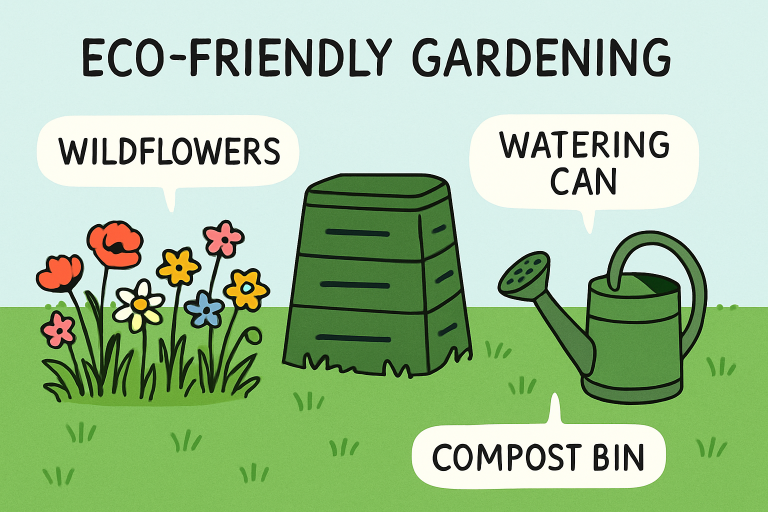
Composting is a proven method for converting yard waste, leaves, and fruit or vegetable scraps into nutrient-rich organic matter. This “black gold” rejuvenates soil, improves water retention, and encourages beneficial microbial growth. Home composting further slashes waste sent to landfills and eliminates the need for costly, synthetic soil amendments. With a simple backyard compost bin, you’ll lower your environmental footprint and keep your garden flourishing year-round.
 Adopt Meadowscaping
Replacing a portion of your traditional turf lawn with meadowscaping—planting native grasses and wildflowers—yields dramatic savings in labor and resources. Meadows require little to no mowing or irrigation after establishment and provide crucial habitat for bees, butterflies, and other pollinators. Over time, meadowscaped areas develop into dynamic, ever-changing landscapes that are not only lower maintenance but also aesthetically pleasing and better for local wildlife.
Integrate Eco-Friendly Tools
Gas-powered lawn equipment, including mowers and blowers, is noisy and emits significant amounts of pollution. By opting for electric or battery-powered alternatives, you’ll reduce both air and noise pollution. Additionally, manual tools like reel mowers require no fossil fuels and are ideal for smaller lawns or touch-up work. These choices make your yard care routine cleaner, quieter, and often less expensive over time due to fewer fuel and maintenance costs.
Reduce Lawn Size
Large swathes of turfgrass are water-hungry and labor-intensive to maintain. Consider converting part of your lawn into functional alternatives such as garden beds, edible landscapes, or ground cover with drought-tolerant species. Even modest reductions in lawn area can reap big rewards: for example, a 100-square-foot vegetable garden may produce up to 200 pounds of fresh food annually. These changes create more diverse and resilient outdoor spaces, offering tangible benefits for your home, community, and local environment.
Final Thoughts
Adopting these sustainable lawn and garden techniques transforms your outdoor space into an environmentally responsible and beautiful haven that saves you time and hard-earned dollars. Whether starting small or redesigning your entire landscape, each positive step contributes to a healthier planet. For those seeking professional guidance or custom solutions in the Puget Sound area, My Sons Landscape—a division of My Son’s Landscaping & Fencing—stands out as a premier provider of eco-friendly landscaping services. Their expert team brings proven insights, sustainable practices, and genuine care for the local environment into every project, empowering you to achieve your green goals with confidence.