Overview of Commercial Roofing Systems
The right roofing system protects commercial properties, enhances overall energy efficiency, and maintains structural integrity. Choosing between established roofing systems can feel overwhelming with so many new materials and developments in the marketplace. Two of the most trusted options for flat or low-slope rooftops are built-up roofs (BUR) and modified bitumen. Each brings unique benefits and potential drawbacks, making it even more critical for decision-makers to base their choices on well-rounded information. For those evaluating their options, finding comprehensive discussions like built-up roof vs modified bitumen offers more profound insights into why many experts and building owners rely on these systems for their commercial assets.
In today’s fast-evolving building landscape, roofing technology is becoming increasingly advanced. Innovations in commercial roofing technology trends continually reshape what’s possible regarding performance, installation speed, longevity, and sustainability. Understanding the features of BUR and modified bitumen band and how breakthroughs impact these classic systems is key for anyone responsible for a roof that protects people, property, and productivity every day.
How Built-Up Roofs and Modified Bitumen Roofs Differ
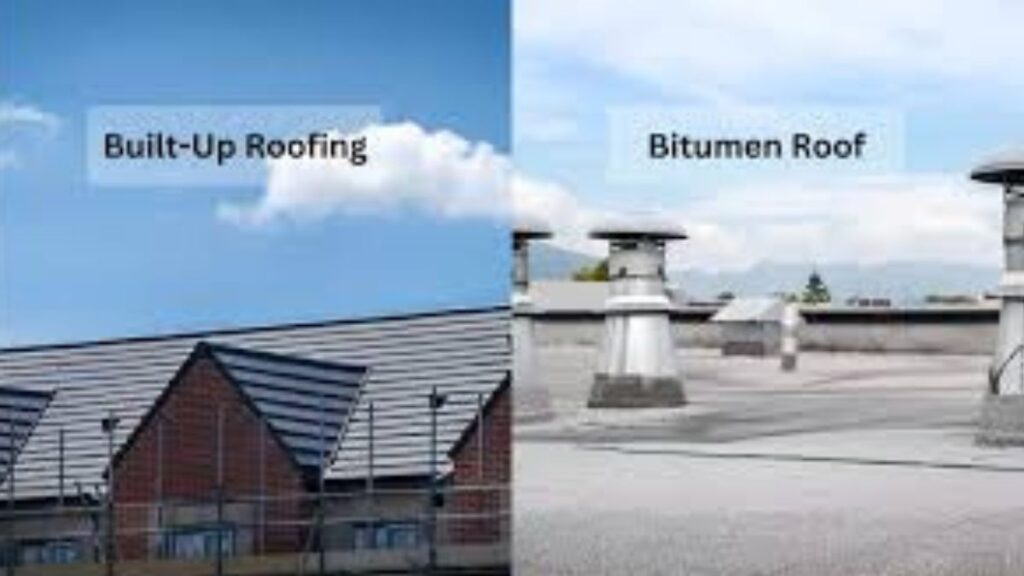
Thanks to their time-proven, multi-layered design, built-up roofs have stood the test of time. Each BUR typically consists of three to five alternating layers of bitumen—usually either asphalt or coal tar—and reinforcing fabrics such as fiberglass or polyester felts. This layered “sandwich” creates a robust barrier against water and damage, topped with gravel or mineral granules for additional protection from sunlight, heat, and foot traffic. It’s a system valued for durability and redundancy; if one layer fails, subsequent layers still provide a measure of defense and water resistance.
Modified bitumen is a more recent innovation created with advances in chemical engineering and materials science. These roofs combine asphalt with polymer modifiers—like atactic polypropylene (APP) or styrene-butadiene-styrene (SBS)—to enhance flexibility, elongation, and weatherability. Instead of being constructed on-site layer by layer, modified bitumen systems use factory-produced rolls that are reinforced, sealed at the seams, and finished with granules or reflective surfacing for additional solar protection. This blend of factory precision and job-site flexibility helps deliver consistency and adaptability in challenging climates.
Key Distinctions
- Layering: Built-up roofing relies on multiple felts and bitumen for its protective layers, while modified bitumen uses single-ply or multi-ply sheets laid down straightforwardly.
- Reinforcement: BUR relies on organic or glass fiber mats in each layer; modified bitumen features strong polymer-reinforced sheets.
- Weather Resistance: Modern modified bitumen is less likely to crack or fatigue in extreme cold, thanks to built-in flexibility.
Installation Process and Materials Used
The installation process is a major differentiator between these two systems. BUR installation is labor-intensive, involving sequential application of hot or cold bitumen and felts, topped with gravel, mineral, or a reflective coating. Due to the use of hot bitumen, weather conditions are essential to ensure workers’ safety and the results’ quality. Factors like wind, precipitation, and humidity can all affect the pace and success of the installation. Proper application is critical, as uneven layering or poor adhesion increases the risk of leaks or premature breakdown. It’s common for BUR installation to take multiple days, especially on larger facilities or those with lots of penetrations and flashing details.
By contrast, modified bitumen is designed for ease of installation and versatility. It can be applied via torch (heat-fused), cold adhesives, or self-adhered sheets, each with unique benefits and considerations. Torch-applied systems are popular for their speed, although safety protocols must be strictly observed to mitigate fire risk. Cold adhesive and peel-and-stick options are prized for minimizing fumes and offering flexibility for installation in cooler temperatures. The consistent thickness and factory-controlled composition of modified bitumen rolls mean fewer inconsistencies and faster quality checks during and after installation, making this a preferred solution for projects with tight schedules.
Lifespan and Durability Factors
A key advantage of BUR systems is their excellent track record for withstanding harsh conditions and heavy foot traffic. Each layer acts as a safeguard should something breach the surface, and the gravel or mineral cap shields underlying materials from UV rays and mechanical wear. Under optimal conditions and regular maintenance, built-up roofs can last 25–40 years. This system is remarkably resilient in areas prone to hail or extreme temperature swings, as the thick layers absorb and diffuse damage remarkably well.
Modified bitumen starts with an edge in flexibility. The polymers mixed into the asphalt enable sheets to expand and contract without cracking, which is especially important in regions that experience freeze-thaw cycles. Modern advances mean certain high-quality modified bitumen roofs reach lifespans approaching BUR systems, sometimes up to 30 years. Of course, environmental exposure, drainage, and installation quality strongly influence real-world longevity for both roofing types. Property owners prioritizing preventive maintenance can extend their roof’s life and reliability for decades.
Cost Considerations for Each System
Budget constraints and lifecycle costs are often top concerns for building managers. Built-up roofing systems typically demand a higher upfront investment due to labor and materials. The hands-on process extends installation time, and the need for specialized equipment and safety measures adds to the bill. Modified bitumen, leveraging factory-produced rolls and simplified application, often substantially reduces installation time and labor costs. However, the cost difference narrows depending on roof size, local labor rates, and design complexity.
Decision-makers must also look at long-term savings. Reflective surfaces, which are increasingly popular for their energy-saving potential, factor into the overall cost-benefit analysis. According to the U.S. Department of Energy, a reflective or “cool” roof coating can reduce rooftop temperatures and lower air conditioning demand by 10–15%. Modified bitumen is often chosen in white or light-colored cap sheets to maximize this benefit. Still, BUR systems can also include reflective coatings or embedded gravel to yield similar results. Over the roof’s lifecycle, energy efficiency and maintenance costs may outweigh initial differences.
Maintenance Requirements and Best Practices
Comprehensive maintenance ensures both BUR and modified bitumen systems reach their full potential. Monitoring the surface condition for BUR is crucial, particularly since gravel can conceal early signs of trouble, such as punctures or pooling water. Drainage areas, flashings, and joints should be checked after severe weather, as water intrusion can quickly compromise interior layers if undetected. Though robust, BUR systems aren’t immune to damage from fallen branches, foot traffic, or shifting equipment.
Modified bitumen roofs require vigilance along seams, terminations, and penetrations. Heated or glued seams during installation are strong, but these points can become weak if exposed to excessive movement or standing water. Luckily, repairs are usually straightforward, and patches can be self-adhered or heat-fused. Whether managing a BUR or modified bitumen roof, establishing an annual professional inspection schedule—plus post-storm checkups—prevents minor issues from escalating into costly headaches.
Environmental Impact and Sustainability
Environmental responsibility is at the forefront of many construction and facility management decisions. Both built-up and modified bitumen roofs now incorporate sustainable practices, including using recycled and recyclable materials in felts, mats, and surfacing. Many modern systems are designed to reflect more sunlight, mitigating the urban heat island effect and contributing to overall energy savings. There’s a growing trend toward pairing these roofs with solar panels, green roof systems, or energy-efficient insulation, demonstrating that even traditional roofing solutions can evolve to address modern environmental standards without sacrificing strength or performance.
As industry standards adapt to new environmental goals, innovations appear across BUR, including modified bitumen products. Enhanced recycling programs, low-VOC adhesives, and increasingly “cool” surfacing options help position these systems as sustainable options for commercial properties that aim to reach green building certifications.
Making the Right Choice for Your Building
The final choice between built-up and modified bitumen roofing should be based on a holistic understanding of a building’s needs, climate conditions, traffic requirements, budget, and long-term maintenance plan. While BUR is often selected for heavy-duty resilience and long-term performance, modified bitumen excels in flexibility, ease of installation, and energy efficiency. Each has a strong record of delivering reliable weatherproofing for commercial properties of all sizes. Consulting with an experienced roofing professional is always recommended, so the chosen system meets the demands of the property and supports business operations for many years to come.