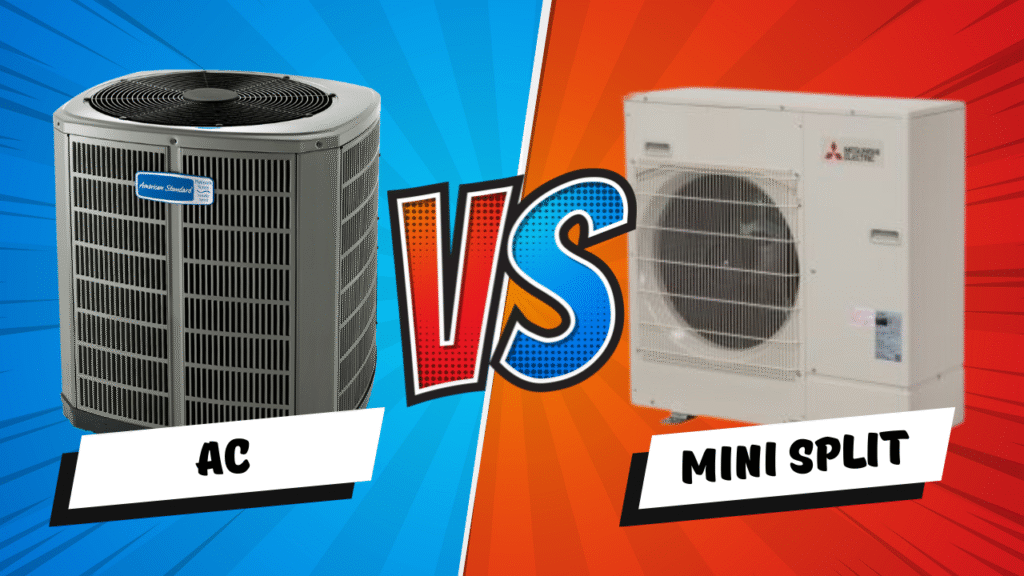
When it comes to maintaining indoor comfort, homeowners often face the challenge of choosing between central air conditioning and ductless mini-split systems. Each cooling option offers distinct advantages, depending on the home’s layout, energy goals, and budget. Both systems can provide reliable comfort, but their performance and suitability can differ greatly depending on your space and usage preferences. We will explore how each system functions, its installation differences, maintenance needs, energy efficiency, and overall comfort experience. By comparing these systems closely, you can determine which type better aligns with your household’s comfort expectations, cost considerations, and energy-saving goals.
Key Differences Between Central AC and Ductless Mini-Split Systems
- Installation and System Design
Central air conditioning systems rely on ductwork to distribute cool air throughout the home. The system includes an outdoor condenser unit and an indoor evaporator coil connected through ducts to vents in each room. This setup works efficiently in homes that already have existing ductwork, such as newer houses or properties with prior HVAC installations. However, if ductwork is absent, adding it can be expensive and invasive, requiring the cutting of walls or ceilings. In contrast, ductless mini-split systems operate without ducts, using individual air handlers mounted inside rooms.
Each indoor unit connects to an outdoor compressor via small refrigerant lines. This design allows easy installation with minimal disruption, making it an ideal option for older homes or room additions. Moreover, the absence of ducts eliminates air loss commonly caused by leaks or poor insulation, improving overall cooling efficiency. Consulting a trusted HVAC company in Phoenix can help homeowners determine which system best suits their property layout and comfort needs.
- Energy Efficiency and Performance
Energy efficiency is one of the most important factors to consider when comparing these systems. Central air conditioning systems cool the entire home simultaneously, which can sometimes lead to unnecessary energy consumption, especially in larger homes where not every room is used equally. Ductless mini-split systems, on the other hand, allow zone-based cooling. Each indoor unit can be independently controlled, meaning you can cool only the rooms that are occupied. This flexibility significantly reduces wasted energy and lowers utility bills. Additionally, ductless systems avoid the energy losses associated with duct leaks, which can account for up to 30% of energy waste in traditional heating and cooling systems.
Modern ductless units also utilize inverter technology, which adjusts compressor speed based on cooling demand, maintaining consistent temperatures more efficiently. Central systems can also achieve high efficiency when properly sized and maintained, but they depend heavily on the condition of the ducts and the placement of the thermostat for optimal performance.
- Comfort and Temperature Control
Comfort control is where ductless systems truly stand out. With separate air handlers for each room, users can customize the temperature according to their personal preferences, creating individualized comfort zones. This feature is particularly beneficial for households with differing temperature needs between family members or areas with varying sun exposure. Central air conditioning systems, however, distribute air uniformly throughout the house, which may lead to uneven cooling in multi-story homes or rooms located far from the thermostat.
Though central systems maintain consistent comfort in large spaces, ductless setups offer greater flexibility for smaller areas or rooms that require precise control. Additionally, mini-splits utilize advanced sensors and inverter-driven compressors to maintain stable temperatures without frequent cycling, resulting in a smoother and quieter operation compared to some central AC systems that switch on and off more frequently.
- Maintenance and Longevity
Maintenance is another critical factor influencing long-term satisfaction. Central AC systems require regular filter changes, duct inspections, and occasional professional cleaning to maintain efficiency. Ducts can accumulate dust, debris, and mold, which can reduce indoor air quality if left unattended. Moreover, leaks or blockages in the ducts can compromise cooling performance and lead to increased energy consumption. Ductless mini-split systems simplify maintenance since they do not rely on ducts. Each indoor unit features a washable filter that can be easily cleaned by the homeowner. The system’s components are also more accessible, making servicing more straightforward. However, with multiple indoor units, each must be maintained regularly to ensure consistent performance. Both systems typically last around 15–20 years with proper care; however, ductless units often maintain their efficiency longer due to reduced mechanical strain and a simpler design.
- Aesthetic Considerations and Space Usage
The physical appearance and space requirements of these systems can also influence a homeowner’s choice. Central AC systems remain largely hidden, with the only visible components being vents and a thermostat. This discreet appearance appeals to homeowners who prefer an unobtrusive cooling system. Ductless mini-splits, however, have visible indoor air handlers mounted on walls or ceilings. While modern designs are sleek and compact, some individuals may find them less visually appealing than those with integrated vents. Yet, the lack of bulky ductwork can be a major advantage for smaller homes, apartments, or buildings where adding ducts is impractical. Additionally, because each air handler serves a specific area, ductless systems allow for creative placement and can be tailored to the home’s layout without sacrificing valuable floor or wall space.
Choosing between a central air conditioning system and a ductless mini-split system depends on your home’s structure, comfort needs, and long-term energy goals. Central AC systems are ideal for homes with existing ductwork, providing seamless cooling throughout large spaces. Ductless mini-splits, however, offer versatility, improved efficiency, and precise temperature control in targeted areas. While installation and aesthetics differ, both systems can ensure a comfortable living environment when properly installed and maintained. Ultimately, the right choice comes down to balancing convenience, cost, and control over how you want to cool your home.