
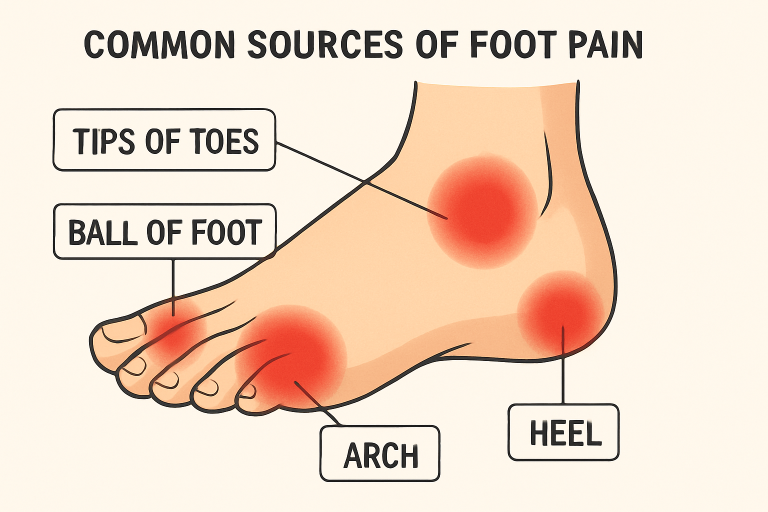
Foot pain affects millions of people each year, often interfering with basic activities and reducing overall well-being. Whether discomfort emerges suddenly or develops gradually, identifying the underlying causes can make a world of difference in managing symptoms and restoring mobility. Consulting a specialist, such as a podiatrist East Stroudsburg PA, is highly recommended when symptoms persist or worsen, as early intervention can help protect your foot health.
From structural problems to overuse injuries, understanding what’s behind persistent foot pain is essential for receiving appropriate care. Many conditions start with mild discomfort and can escalate into chronic issues if left unattended. Being proactive about foot care and paying attention to shoes, posture, and activity levels can prevent many cases of foot pain.
Unchecked foot pain may signal more serious health concerns, such as nerve impingements or inflammatory diseases, making it especially important not to ignore ongoing or severe discomfort. Not only do feet bear the body’s weight, but they’re also vital for balance and mobility so don’t overlook their signals when something feels off.
Seeking advice from health professionals when self-care does not bring relief can help prevent complications and support long-term mobility and independence. According to the Mayo Clinic, recognizing early warning signs is key to keeping your feet healthy and active.
Plantar Fasciitis
Plantar fasciitis is a common yet often misunderstood source of heel pain. This condition is caused by inflammation of the plantar fascia, a thick ligament that runs along the bottom of the foot, connecting the heel to the toes. Most people experience stabbing pain, especially with their first steps in the morning or after long periods of inactivity. Risk factors include occupations that require prolonged standing, obesity, flat feet, and the use of unsupportive shoes.
Achilles Tendonitis
Achilles tendonitis arises when the tendon that links your calf muscles to the heel bone becomes overstressed and inflamed. Runners and those who suddenly increase the intensity or duration of physical activity are more susceptible. Symptoms range from mild aching above the heel to severe pain, particularly after exercise. Consistent stretching and proper footwear can help prevent this painful issue.
Bunions
Bunions are bony bumps that form at the joint where the big toe meets the foot. Over time, the big toe begins to point toward the other toes, creating a prominent, sore bump. Genetics, structural foot defects, and wearing tight or high-heeled shoes all contribute to bunion formation. Not only can bunions be painful, but they can also make it difficult to find shoes that fit comfortably, leading to further complications if not managed early.
Morton’s Neuroma
Morton’s neuroma involves thickened tissue around the nerves leading to your toes, usually in the space between the third and fourth toes. This can cause sharp, burning pain in the ball of the foot or the sensation of standing on a pebble. Those who wear high heels or tight shoes are at greater risk. Left untreated, Morton’s neuroma can make walking difficult and lead to permanent nerve damage.
Stress Fractures
Stress fractures are tiny cracks in the bones of the foot and are most often a result of repetitive impact activities, such as running or jumping. Unlike acute fractures, stress fractures usually develop slowly and cause gradually worsening pain that increases with weight-bearing activities. They’re particularly common among athletes and those who rapidly increase their activity without adequate rest. Wearing proper shoes and allowing for recovery time between workouts are crucial for prevention.
Arthritis
Foot arthritis is a broad category that includes degenerative (osteoarthritis) and autoimmune (rheumatoid arthritis) forms. Arthritis can lead to chronic foot pain, swelling, stiffness, and even joint deformity. Osteoarthritis wears down the protective cartilage in joints, whereas rheumatoid arthritis leads to inflammation of the joint lining. Early diagnosis and targeted management are essential to maintaining foot function. Visit the Arthritis Foundation to learn more about managing symptoms and treatment options.
Ingrown Toenails
An ingrown toenail develops when the nail’s edge grows into the surrounding skin, leading to pain, redness, swelling, and sometimes infection. Incorrect nail trimming, foot injuries, or shoes that squeeze the toes can cause ingrown toenails. Prompt care can prevent infection and the need for more complex treatments. In stubborn cases, a minor surgical procedure may be needed to remove the problematic portion of the nail.
Tarsal Tunnel Syndrome
Tarsal tunnel syndrome is similar to carpal tunnel syndrome in the wrist. Compression of the posterior tibial nerve within the tarsal tunnel a narrow space inside the ankle leads to tingling, burning, or numbness in the foot. Causes include injury, overuse, flat feet, or conditions like diabetes. Treatments range from anti-inflammatory medications and rest to custom orthotics or surgical intervention in persistent cases.
Identifying the cause of foot pain early and seeking appropriate medical advice can help avoid chronic issues and more invasive treatments. Caring for your feet and listening to warning signs will help you maintain mobility and enjoy an active lifestyle for years to come.
Conclusion
Foot pain should never be brushed aside, especially when it interferes with daily movement or continues to worsen over time. Because many underlying causes, from overuse injuries to nerve conditions, can gradually worsen, paying attention to early warning signs is essential. Taking proactive steps, such as choosing supportive footwear, adjusting activity levels, and practicing proper foot care, can prevent minor discomfort from becoming a long-term issue. Most importantly, seeking professional guidance from a podiatrist when symptoms persist ensures you receive an accurate diagnosis and timely treatment. By prioritizing foot health today, you can protect your mobility, comfort, and overall quality of life well into the future.