
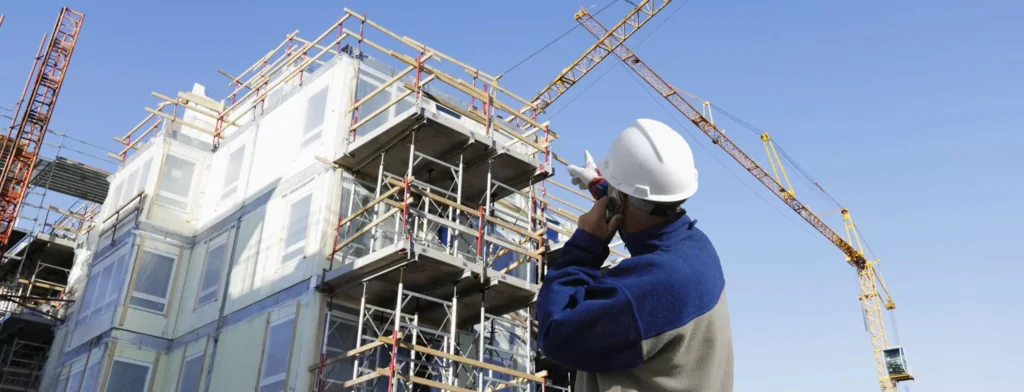
The commercial construction landscape is experiencing tremendous change as new technologies, green initiatives, and shifting business needs reshape how buildings are designed, constructed, and operated. For developers, architects, and business owners, understanding these modern trends is essential for creating spaces that are not only functional but also sustainable and forward-thinking. Whether you are planning a buildout or upgrading an existing space, leveraging the latest commercial construction services Maryland can help keep your project ahead of the curve.
Modern commercial spaces must meet evolving demands for flexibility, efficiency, and health, all while aligning closely with sustainability and advanced technology. As a result, new approaches to planning, design, and construction have emerged. Let’s explore the most influential trends that are shaping today’s commercial construction industry and see how these innovations can result in more valuable, adaptable properties.
Flexible and Adaptive Interiors
Today’s commercial environments are designed with adaptability in mind, responding to changing business models and the rapid pace of change in workplace culture. Modular wall systems, moveable partitions, and furniture that can be quickly repositioned allow organizations to adjust layouts with minimal disruption. Multi-use zones are a significant trend, transforming a meeting room into an event space or café as needed. In addition, the rise of integrated technology, like lighting and climate controls that respond to occupancy, helps enhance comfort while improving energy efficiency. This focus on flexible space planning ensures that commercial interiors remain useful and appealing as occupant needs shift.
Sustainable and Green Construction Practices
Environmental sustainability has become a cornerstone in modern commercial construction, a shift propelled by both regulatory pressure and consumer demand. Strategies such as using recycled steel, low-carbon concrete, and other eco-conscious materials are increasingly common. Energy-efficient designs, such as featuring advanced glazing, insulation, and passive solar techniques, help reduce energy consumption. Projects often incorporate on-site renewable energy sources, with solar panels leading the way toward net-zero ambitions. Collectively, these efforts reduce the long-term environmental impact of commercial buildings while lowering operational costs. For a deeper dive into sustainability measures.
Smart Building Integration
Technological advancements are driving smarter, more connected buildings. IoT sensors now monitor everything from occupancy to lighting levels, helping to optimize operations. Advanced energy management systems can detect inefficiencies, implement predictive maintenance, and ensure utilities are used only when necessary. Centralized building automation gives owners finer control over heating, ventilation, air conditioning, and even security, all contributing to streamlined operations and significant cost savings. Adopting smart technologies is becoming not only a matter of efficiency but also of competitive advantage as tenants and investors look for cutting-edge properties.
Health and Wellness-Focused Design
The importance of occupant well-being is rising sharply in commercial construction. Designs increasingly include large windows, skylights, and indoor greenery to create a strong biophilic effect. These elements have been shown to boost mood and productivity. Upgraded HVAC systems and air purification are standard, ensuring a healthy environment and improved indoor air quality. Wellness zones such as quiet rooms, fitness spaces, and outdoor terraces provide much-needed support for mental and physical health. The focus on health-centric design is now seen as a major driver of tenant satisfaction and retention, as reported in articles from Forbes.
Prefabrication and Modular Construction
Efficiency and quality are key reasons behind the surge in prefabricated and modular construction methods. Building components are increasingly manufactured off-site in controlled factory environments, resulting in fewer delays, less waste, and more precise assembly. With site work and component fabrication running in parallel, project timelines are often significantly reduced. This approach also provides cost advantages, from labor savings to reduced material expenses, making it a popular choice for both new buildings and expansions.
Adaptive Reuse and Retrofitting
Transforming and repurposing existing buildings can be a powerful way to achieve sustainability, reduce costs, and preserve history. Adaptive reuse projects retain the architectural character of older structures while upgrading them to meet modern standards and codes. This approach limits the environmental impact by cutting down on demolition waste and demand for new materials. Simultaneously, retrofitting properties with fresh systems and layouts ensures compliance with current performance expectations, bridging the gap between old and new.
Elevated Tenant and Customer Experience
Commercial spaces that go beyond the ordinary are becoming increasingly important for attracting and retaining tenants and customers. Brand-driven environments help reinforce company identities, while features such as digital signage, interactive kiosks, and engaging common areas enhance engagement. Modern buildings now offer amenities like cafés, fitness centers, wellness zones, or comfortable lounges. These improvements cater to lifestyle expectations and create a sense of community, boosting satisfaction and loyalty.
Future Outlook
The coming years are poised to bring even greater transformation to commercial construction. Developers and owners will continue to move toward carbon-positive building goals, designing structures that contribute positively to their environment. Advanced technologies like artificial intelligence and machine learning are on the horizon for both design optimization and smart predictive maintenance. Human-centric architecture, like spaces built to increase wellbeing, creativity, and productivity, will continue to take precedence. Navigating this evolving industry means embracing change and finding partners who understand where the market is headed.
By staying informed of these emerging trends and working with experts in the field, stakeholders can realize innovative, adaptive, and sustainable commercial spaces ready to meet future challenges and opportunities.