
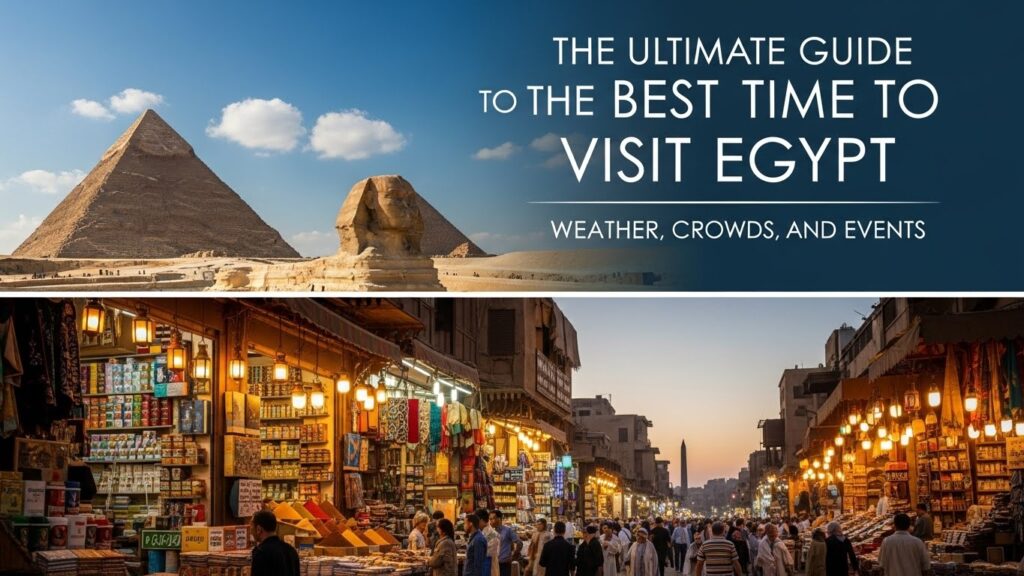
Egypt, a land of ancient wonders and breathtaking landscapes, has captivated travelers for centuries. From the iconic pyramids of Giza to the lush banks of the Nile River, this North African gem offers an unparalleled blend of history and culture. But when is the best time to visit Egypt? Timing can make all the difference in your travel experience.
With its diverse climate and a variety of events throughout the year, understanding when to embark on your Egyptian adventure is crucial. Whether you’re eager to explore bustling markets or relax along pristine beaches, knowing what each season brings will help you maximize your journey. Dive into this ultimate guide to discover everything you need about weather patterns, crowd levels, local festivities, and tips for enjoying Egypt at its finest!
Understanding the Seasons in Egypt
Egypt experiences a distinct climate divided into four seasons: winter, spring, summer, and autumn. Each season brings its own charm and challenges.
Winter spans from December to February. Temperatures are mild during the day but can drop significantly at night. This is an ideal time for outdoor explorations without the scorching heat.
Spring arrives in March and lasts until May. The weather warms up gradually, making it perfect for sightseeing. However, dust storms may occur sporadically in April.
Summer stretches from June to August. Expect soaring temperatures that can often exceed 40°C (104°F). This season is best suited for early morning or late evening outings when it’s cooler.
Autumn covers September through November. As the heat subsides, days become more pleasant again. It’s a wonderful period for travelers looking to experience Egypt’s rich history and culture comfortably.
Weather and Climate in Egypt
Egypt boasts a desert climate, characterized by hot summers and mild winters. Daytime temperatures can soar above 40°C (104°F) in July and August, especially in the southern regions.
The cooler months from November to March bring pleasant weather, making it ideal for exploring ancient sites. Average temperatures hover around 20-25°C (68-77°F), perfect for outdoor adventures.
Rain is scarce, mostly falling between December and February. However, these showers are brief and rarely affect travel plans.
Humidity levels rise along the Mediterranean coast but remain low inland. This makes even high summer temperatures bearable if you stay hydrated and seek shade during peak hours.
Dust storms may occur occasionally, particularly in spring when winds pick up loose sand from the desert terrain. It’s an important phenomenon to consider while planning your trip!
High vs Low Season: Pros and Cons
Traveling to Egypt during high season offers a vibrant atmosphere. Popular attractions buzz with energy, and there are plenty of tours and activities available. The weather is generally pleasant, making it easier to explore the ancient sites.
However, this comes at a price. Accommodation rates soar, and flights can be more expensive. Crowds become overwhelming at famous landmarks like the Pyramids of Giza or Luxor Temple. Patience may wear thin as you navigate through throngs of tourists.
On the other hand, low season provides a quieter experience. You’ll enjoy fewer people at major sights and better deals on hotels and tours. The downside? The heat in summer can be intense, especially in southern regions like Aswan.
Each season brings its own charm and challenges that cater to different preferences for travel experiences in Egypt.
Popular Events and Festivals in Egypt
Egypt boasts a vibrant tapestry of events and festivals that reflect its rich culture. One standout is the Abu Simbel Sun Festival, celebrated twice a year when sunlight illuminates the temple’s inner sanctum. Visitors flock to witness this breathtaking spectacle.
The Cairo International Film Festival attracts cinephiles from around the globe. Showcasing both local and international films, it serves as an excellent platform for emerging talent.
For those who love music, the Mawazine Festival in Rabat features artists from various genres, blending traditional sounds with modern beats. It’s a celebration of harmony that captivates attendees.
Don’t miss out on Ramadan festivities if you visit during this holy month. The atmosphere transforms with colorful lights, street food vendors, and communal prayers filling the air with spirituality and joy.
Each event offers unique insights into Egypt’s heritage while allowing visitors to connect deeply with local traditions.
Tips for Avoiding Crowds in Egypt
Timing is everything when it comes to exploring Egypt. To avoid the throngs of tourists, consider visiting popular sites early in the morning or late in the afternoon. This not only gives you a quieter experience but also allows for stunning lighting for photography.
Weekdays are typically less crowded than weekends. If your schedule permits, visit during midweek to enjoy a more serene atmosphere at iconic locations like the Pyramids of Giza or Luxor Temple.
Don’t forget about lesser-known destinations. While places like Cairo and Luxor draw large crowds, hidden gems such as Siwa Oasis or Aswan offer tranquil landscapes with fewer visitors.
Check local event calendars before planning your trip. Major festivals can lead to an influx of tourists, so timing your visit away from these events can enhance your experience significantly.
Best Time to Visit Specific Destinations in Egypt
When planning your visit to Egypt, timing can vary based on the destination.
Cairo is best explored from October to April. The cooler weather makes wandering around the Pyramids and museums more enjoyable. In contrast, summer’s heat can be intense.
If you’re aiming for Luxor and Aswan, winter is ideal. Temperatures stay mild, making it perfect for temple visits along the Nile. Avoiding peak tourist season means fewer crowds at iconic sites like Karnak Temple.
For those interested in Red Sea resorts like Sharm El Sheikh or Hurghada, consider March through May or September through November. These months offer pleasant beach weather without sweltering heat.
If you want a unique experience in Siwa Oasis, spring (March-April) showcases blooming landscapes and comfortable temperatures—great for outdoor activities like hiking or exploring ancient ruins.
Conclusion
Egypt is a land of incredible history, stunning landscapes, and vibrant culture. Choosing the best time to visit Egypt can elevate your experience significantly. By understanding the seasons, weather variations, and local events, you can tailor your trip to match your preferences.
Whether you’re looking to explore ancient pyramids in milder temperatures or immerse yourself in lively festivals filled with colorful displays and local traditions, timing plays a crucial role. Balancing between high season’s bustling energy and low season’s serene charm allows for unique experiences each way.
Remember that popular attractions might be crowded during peak times but offer an electric atmosphere full of fellow travelers eager to share their adventures. Conversely, visiting during quieter months grants a more personal connection with the wonders that Egypt has to offer.
As you plan your adventure through this historical gem of North Africa, keep these insights in mind. Your journey awaits amidst the sands of time!