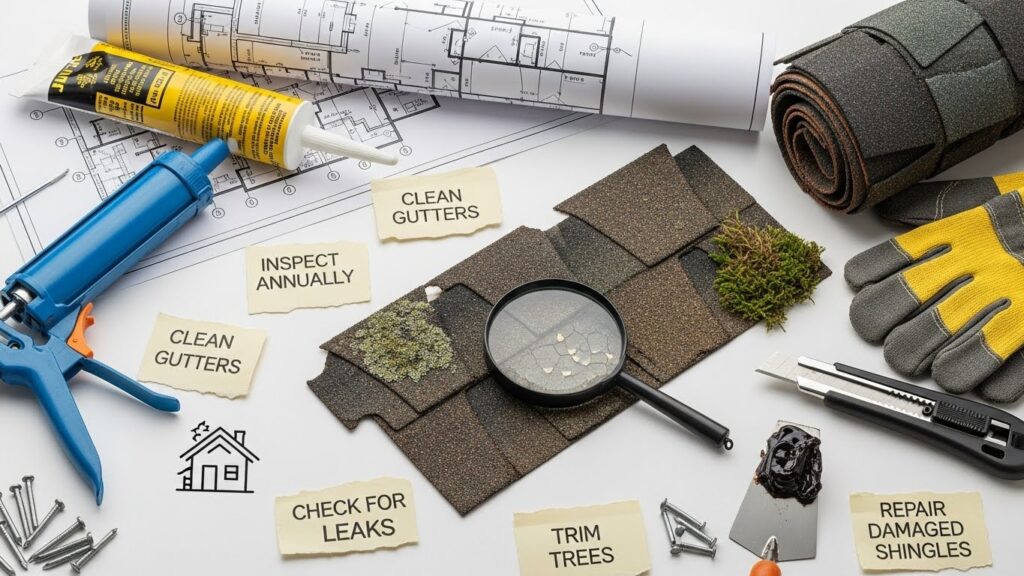
Maintaining your roof is one of the most crucial aspects of protecting your home and ensuring its longevity. Your roof shields your house from the elements, including rain, high winds, hail, and scorching heat, so it’s vital to keep it in top condition. Regular upkeep not only prevents costly future repairs but also ensures the safety and comfort of your family. For homeowners in Eastern North Carolina, Assist Roofing stands out as a trusted provider of professional roofing services. With over 50 years of experience, they specialize in energy-efficient metal roofs engineered to withstand the high winds and harsh weather conditions unique to the region. Their service area spans from the Outer Banks to Wilmington, enabling them to offer customized solutions for a range of roofing needs. To help you maintain your home’s first line of defense, here are essential roof maintenance tips every homeowner should keep in mind:
1. Conduct Regular Inspections
Regularly inspecting your roof is the best way to catch problems before they become expensive repairs. At a minimum, examine your roof twice a year—once in the spring, and again in the fall. These inspections are crucial after severe weather events such as hurricanes or hailstorms, as they may cause hidden damage. During your inspection, look for missing, broken, cracked, or curling shingles, and pay close attention to areas around vents, chimneys, and skylights where leaks are most likely to occur. Even minor issues—such as exposed nails or granule loss on shingles—can escalate quickly if left unattended. Early detection enables you to address minor issues before they escalate into significant problems, ultimately saving both time and money in the long run.
2. Keep Gutters Clean
Proper gutter maintenance is often overlooked, yet it plays a significant role in protecting your roof and the overall integrity of your home. Clogged gutters can cause rainwater to overflow, which in turn may damage your roof, fascia board, siding, and even your home’s foundation. Make it a habit to clean your gutters at least twice a year, or more frequently if you have overhanging trees nearby. Remove leaves, twigs, and other debris to ensure smooth water flow. Installing gutter guards is an excellent way to minimize the amount of debris that collects in your gutters and reduce the frequency of manual cleaning. Clean gutters also prevent the formation of ice dams in winter, helping to avert water seepage into your home.
3. Trim Overhanging Branches
Overhanging branches not only pose a risk of physical damage to your roof during storms but also contribute to the accumulation of debris. When branches brush against your roof, they can scrape away the protective layers on your shingles, accelerating wear and tear on your roof. Falling leaves and twigs often clog gutters and trap moisture on the roof, increasing the likelihood of mold growth and leaks. Furthermore, overhanging branches serve as easy access points for rodents and insects, which can cause additional damage to your roof structure. To minimize risks, trim any branches that come within several feet of your roof and regularly monitor nearby trees for signs of disease or weakness. This proactive approach will reduce the risk of unexpected roof damage and help keep your roof clear of excess debris.
4. Address Moss and Algae Growth
Moss, algae, and lichen may seem harmless at first, but their presence can significantly compromise your roof’s integrity over time. These organisms retain moisture, which accelerates the deterioration of shingles and roofing materials by causing rot and decay. In humid and shaded areas, moss and algae can be remarkably persistent; therefore, early intervention is crucial. Use a soft-bristled brush or low-pressure hose to carefully remove growth, avoiding high-pressure washing that can strip away the roofing granules. Applying zinc or copper-based products along the ridgeline can help prevent regrowth, as these metals naturally inhibit the spread of moss and algae with each rainfall. Not only does regular cleaning maintain the health of your roof, but it also enhances the curb appeal and value of your home.
5. Ensure Proper Attic Ventilation
Adequate attic ventilation is a crucial yet often overlooked aspect of roof maintenance. Without adequate airflow, excess heat and moisture can accumulate in your attic, leading to premature aging of roof materials, warped decking, and the growth of mold and mildew. Poor ventilation also increases cooling costs in the summer, as trapped heat infiltrates your living space. To promote healthy airflow, ensure that intake vents (usually located at your soffits) and exhaust vents (typically found near the ridge) are unobstructed and in good working condition. Check for signs of blocked or insufficient ventilation, such as high attic temperatures, condensation, or mold on insulation. By maintaining optimal attic ventilation, you help regulate internal temperatures and preserve the lifespan of your roofing system.
6. Check for Leaks and Water Damage
One of the most critical steps in roof maintenance is routinely checking for signs of leaks and water infiltration. After periods of heavy rain, snow, or wind-driven storms, inspect your attic and interior ceilings for stains, damp spots, peeling paint, or musty odors—common indicators of water intrusion. Leaks often start small and may go unnoticed until considerable damage has occurred to the underlying structure and insulation. Be particularly vigilant around areas where the roof meets walls, or at joints near vent pipes and skylights. Prompt attention to any evidence of leaks allows for quick intervention and minimizes the likelihood of needing major repairs due to rot or mold development.
7. Schedule Professional Inspections
Even if you have a sharp eye, some roofing issues may be invisible to the untrained observer. That’s why it’s smart to schedule a professional roof inspection at least once a year, or after severe weather events have occurred. Certified roofing professionals have specialized knowledge, tools, and experience to assess your roof’s overall condition and spot issues such as hidden leaks, compromised flashing, or weakened underlayment. Professional inspections typically include a thorough review of structural elements, gutters, attic ventilation, and other key components. After the inspection, you’ll receive a detailed report outlining any areas of concern, along with recommendations for repairs or preventative maintenance. Investing in an annual professional inspection can save money by catching problems before they require extensive restoration.
8. Invest in Quality Repairs
When it comes to roof repairs, it’s always wise to choose quality over cost-cutting shortcuts. Hiring experienced contractors and selecting high-quality materials ensures repairs are durable and practical, protecting your roof from future problems. Although quality repairs may come with a higher upfront price tag, they reduce the risk of recurring issues and can significantly extend the lifespan of your roof. On the other hand, subpar materials or workmanship often result in frequent leaks, warranty voids, and even complete roof replacement years sooner than necessary. For residents of Eastern North Carolina, working with established companies like Assist Roofing guarantees that experts will handle your repairs and be committed to ensuring your peace of mind.
By following these roof maintenance tips and relying on professional assistance when needed, you can protect the value of your home while ensuring your roof remains in prime condition for many years. Remember, preventative care and vigilance are the keys to avoiding unexpected expenses and enjoying a secure, comfortable home.