
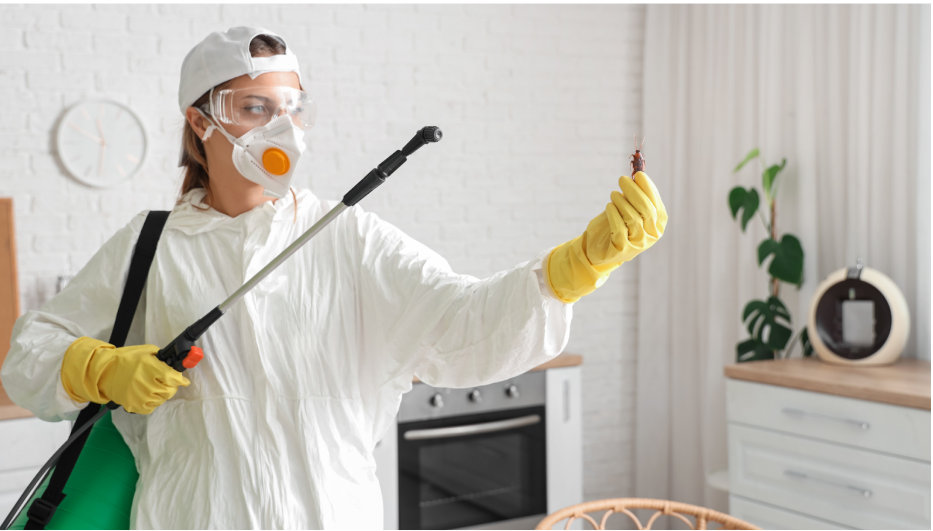
Here’s a number that’ll make you wince: American homeowners lose billions every single year to pest damage they never saw coming. And get this, pests destroy roughly 40% of crops globally each year, and that same appetite for destruction translates directly into your home’s structure, your family’s health, and repair costs that spiral fast.
What separates a small hassle from a total disaster? Catching the problem early. Really early. In this piece, you’re going to learn exactly how pest control experts spot trouble before it becomes catastrophic, including tech that sounds like science fiction and inspection tricks that actually work to protect what you’ve built.
Professional Pest Inspection Techniques Used by Experts
Once they understand pest psychology, professionals deploy systematic inspection methods that make casual walkthroughs look like child’s play. Their approach blends old-school technique with surgical precision.
Comprehensive Visual Inspection Protocols
Trained inspectors follow detailed, room-by-room checklists that miss nothing. They’re crawling through attics hunting rodent droppings, examining basements for moisture issues, and inspecting wall voids for those telltale termite mud tubes. Every tiny crack matters because pests are masters at exploiting vulnerabilities you’d never notice.
Top-tier companies that emphasize environmentally safe pest control build their entire strategy around these exhaustive visual surveys, pinpointing entry points, tracking pest highways along baseboards, and identifying staining patterns most people walk past daily. They’ll recognize shed insect skins, distinguish different dropping types by appearance, and spot grease smears rodents leave when they travel the same paths repeatedly.
Advanced Sensory Detection Methods
Here’s something most people don’t realize: experienced pros use every sense during inspections. They’re listening for scratching noises behind your walls signaling rodent activity or that distinctive clicking termite soldiers make when they sense danger. Certain infestations actually smell different. Roaches produce a musty odor. Rodent urine reeks of ammonia. Bed bugs? Oddly sweet.
They’ll press their hands against walls, detecting temperature variations that indicate nest locations and tap woo,d listening for hollow sounds where termites have eaten through. These sensory abilities develop over the years in the field. You can’t learn them from YouTube.
Cutting-Edge Technology in Hidden Pest Infestation Detection
Traditional techniques still matter, sure. But modern pest control increasingly depends on technology that sees what human senses can’t. These tools transform guesswork into exact science.
Thermal Imaging and Infrared Camera Applications
Infrared cameras make heat signatures visible through walls, exposing active termite colonies and rodent nests without tearing apart your home. Temperature differences as small as a couple of degrees show up crystal-clear on these displays. Professionals can map entire infestations through drywall and target treatment with pinpoint accuracy.
This tech massively reduces property damage during inspections while boosting accuracy. Real case studies prove thermal imaging catches hidden pest infestations that traditional methods would completely miss until the destruction becomes obvious.
AI and Machine Learning in Pest Identification
Artificial intelligence is completely changing professional pest detection. Computer vision algorithms now deliver remarkable accuracy for automated pest recognition. Nowadays, most vision and AI systems hit deployment-ready performance levels significantly outperforming other detection approaches in real-world conditions.
Smart traps equipped with species identification send instant alerts when pests trigger them. Drones inspect roofs and exterior areas that humans can’t safely access. Predictive analytics evaluate infestation risk using environmental data, helping concentrate prevention efforts where they’ll actually make a difference.
Early Pest Infestation Signs Professionals Look For
Knowing what matters separates effective detection from spinning your wheels. Professionals train for years to recognize subtle indicators most homeowners completely miss.
Structural and Material Damage Indicators
Different pests leave different signatures. Termites construct mud tubes and create honeycomb patterns inside wood. Carpenter ants carve clean galleries and leave neat sawdust piles below entry points. Wood-boring beetles create small, circular exit holes surrounded by fine powder.
Keep your eyes open for drywall discoloration, paint that bubbles for no reason, disturbed insulation, and gaps appearing between baseboards and walls. Weird flooring irregularities and chewed electrical wires? Those signal serious trouble. These early pest infestation signs give crucial intelligence about both pest species and how severe the infestation has become.
Biological Evidence and Pest Byproducts
Pros study droppings like archaeologists study artifacts size, shape, and placement reveal species identity. Rodent droppings are pellet-shaped and cluster near food sources. Roach droppings look like scattered coffee grounds or pepper. Shed exoskeletons from molting insects, egg casings hidden in crevices, blood specks on bedding from bed bugs, dead insects piling up near windows every piece tells part of the story.
This biological evidence helps experts calculate population size, estimate how long the infestation has existed, and locate where pests are actually nesting.
How to Detect Pests Early: DIY Preliminary Checks Before Professional Inspection
Look, you can’t replace professional expertise. But smart monitoring between scheduled inspections absolutely catches developing problems. Simple checks deliver real results.
Monthly Self-Inspection Checklist
You should run quick visual checks monthly using just a flashlight and mirror for awkward spots. Check under sinks, behind appliances, in closet corners, along baseboards. Outside, examine window sills, door frames, and foundation cracks.
Photograph anything suspicious for professional review later. Knowing when to call for professional pest inspection prevents small issues from morphing into expensive nightmares.
Monitoring and Trap Placement Strategies
Strategically positioned glue boards and monitoring stations give you 24/7 surveillance. Place them along walls where pests travel, near suspected entry points, and in areas showing activity. Check weekly and log your findings even empty traps provide valuable data about where pests aren’t active.
Digital monitoring apps organize your observations and reveal patterns over weeks and months. This systematic approach turns random pest spotting into meaningful early detection.
Professional Pest Control Experts’ Diagnostic Process
Understanding how professionals actually work helps you appreciate the value they bring. Their process follows battle-tested protocols refined through industry research and thousands of field hours.
Comprehensive Inspection Report Components
After finishing their assessment, professionals document everything with detailed reports featuring photographic evidence, severity ratings, risk assessments, and confirmed species identification. They’ll estimate population size, identify conditions that encourage pests, and map vulnerable areas needing attention.
These reports give you a clear understanding of discovered problems and establish baseline documentation for measuring treatment effectiveness down the road.
Treatment Recommendations and Integrated Pest Management Plans
Quality pest control operations prioritize safe, effective solutions through Integrated Pest Management frameworks. They’ll recommend exclusion work that seals entry points, environmental modifications that eliminate pest attractants, targeted treatments using minimal chemicals, and prevention protocols maintaining long-term protection.
Follow-up inspection scheduling confirms treatments worked and prevents recurrence. This comprehensive strategy addresses root causes instead of just treating symptoms.
Questions About Professional Pest Detection
How often should I schedule professional pest inspections?
Annual inspections work fine for most homes. But quarterly checks make sense for high-risk properties those with previous infestations, lots of surrounding trees, or older construction. Seasonal timing matters too. Spring for termites. Fall before rodents start hunting winter shelter.
Can professionals detect pests before I see any visible signs?
Absolutely, yes. Advanced detection equipment and trained expertise catch infestations weeks or even months before you’d notice anything wrong. Thermal imaging exposes hidden colonies. Acoustic sensors pick up chewing sounds. Biological evidence reveals pest presence long before populations explode into visibility.
What’s included in a comprehensive professional pest inspection versus basic treatment?
Inspections are assessment-only services delivering detailed evaluation. Treatments include both inspection and active pest elimination. Comprehensive inspections examine all property areas, utilize specialized equipment, and provide written reports. Basic treatments typically include limited inspection focused only on addressing visible problems.
Taking Action Against Hidden Infestations
Early detection isn’t just smart it’s absolutely essential for protecting your property investment and your family’s health. Professional expertise combined with advanced technology provides real defense against pests that would otherwise cause massive damage before you discover them. The methods pest control experts deploy go way beyond what you can accomplish yourself, revealing hidden pest infestations through walls, beneath floors, and in spaces you can’t access. Don’t wait until you see visible signs. Schedule a professional pest inspection today and get actual peace of mind knowing your home is protected by proven detection methods that catch problems while they’re still manageable.