The real test of a workshop usually comes down to its workbench. If you’re building cabinets, fixing up old tools, or working with metal, that bench holds everything together. There are two main types of workbenches to consider – portable and stationary workbenches. Both types have their perks and their drawbacks, depending on how much space you have, what type of work you do, and what kinds of projects you’re into. So, which one actually fits your shop? Let’s delve into what truly sets them apart.
The Two Workbench Types to Choose From
Stationary Workbench
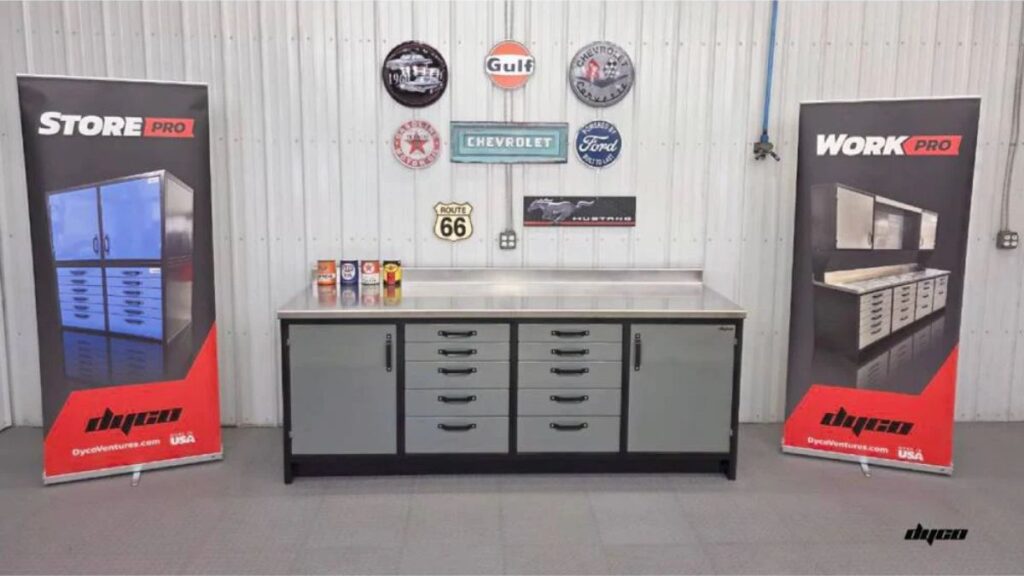
Now, stationary benches are a different beast. These are meant to sit tight and carry all the weight – literally. They’re built with thick steel, chunks of hardwood, or sometimes a stainless top, meant to take on tough jobs for years. You’ll see storage built right in, drawers that can take a beating, and frames made to handle massive loads. They don’t move, but that’s kind of the point
If you’re working out of a garage, a repair shop, or anywhere heavy work happens, a big, heavy-duty shop work bench is usually where everything starts and ends. These benches won’t budge, even if you’re hammering metal or working with chunky woodworking gear. If you need a central spot to go all-out, this is where you park yourself.
Portable Workbench
Portable benches are built so you can move them around, no fuss. Most fold up or roll thanks to built-in casters, so you can drag them through your garage or haul them to a different job site. They’re usually not bulky – think lightweight steel or aluminum, sometimes a top that adjusts or clamps that click into place in seconds. If you don’t have a set workshop or if you just need space to stretch out, these things get the job done.
Surprisingly, what they can handle, too. A lot of the modern portable models can easily hold a few hundred pounds, steady enough for woodworking, electrical stuff, and even a bit of metalwork. Contractors or repair pros usually opt for portable workbenches.
Comparing Key Features
Sometimes it helps to lay things out next to each other, so here’s a quick comparison of what makes each type stand out:
| Feature | Portable Workbench | Stationary Workbench |
| Mobility | Highly mobile, foldable, or wheeled | Fixed in place, very heavy |
| Weight Capacity | 200-800 lbs on average | 800-3000+ lbs |
| Material | Lightweight steel, aluminum, or plastic | Heavy-duty steel or hardwood |
| Storage Options | Limited (may include small shelves) | Multiple drawers, cabinets, pegboards |
| Space Requirement | Compact, easy to store | Requires permanent space |
| Ideal For | Contractors, mobile projects, small workshops | Industrial workshops, garages, fabrication shops |
| Setup Time | Quick setup and breakdown | Permanent installation |
| Cost Range | Typically lower | Higher due to materials and features |
Why Portable Workbenches Make Sense
Easy to Move, Easy to Adapt
If you’re bouncing between job sites, a portable workbench is just right. Roll it out, lock the wheels, get to work, and when you’re done, cart it off again. Those locking casters aren’t just for show – you get a solid surface that won’t wiggle while you work, then it rolls out of the way when you need the space.
In a small home workshop, being able to push the bench around or fold it up and stash it somewhere is a lifesaver. Drag it outside if sanding or painting gets messy, then tuck it back in a corner when you’re finished. It basically keeps your space from turning into a cluttered mess.
Quick Setup, No Hassle Storage
These benches are built for convenience. The frames usually fold up fast, a lot have quick clamps, and let you tweak the height to whatever you need. If you’re stuck working out of a cramped garage or sharing a studio, you’ll notice the difference right away. Once you’re done, the whole thing folds down tight and out of sight, clearing the floor again.
Budget-Friendly
You don’t have to go broke to get a decent portable bench. They’re usually a lot cheaper than the big, fixed ones. If you’re just picking up the basics or testing the waters with DIY projects, a portable bench gives you a real workspace without locking you into an expensive commitment.
The Pros of Stationary Workbenches
Solid and Steady
If you’re drilling, cutting, or welding, you want something that won’t budge. A stationary bench just sits heavy, soaking up any vibration. You get clean, precise cuts and the kind of control you only get from a hefty workspace. And if you need to bolt down a vise or a grinder, these benches take the weight no problem.
More Storage, Less Searching
These benches aren’t just slabs of wood – most are loaded with drawers, shelves, maybe even an overhead pegboard. Put your tools and parts right where you’ll actually use them, instead of digging through boxes or chasing lost screws. Some of the pricier setups come with soft-close drawers and full slide-outs, which makes life easier if you live at your bench.
Built to Last, Looks Professional
These things don’t wear out quickly. Thick tops, solid frames, not cheap particle board – you might buy one and just keep using it for decades. And if the workshop’s your pride, a big stationary bench gives the place real presence. It’s just obvious you’re serious about your work.
Pick a Portable Workbench Makes Sense If…
- You’re working in different places, not just at home.
- Your work area is limited or has to pull double duty.
- You’re doing light jobs – hobby work, small fixes, electronics, etc.
- Packing away and setting up in a hurry matters to you.
If you’re a contractor who needs a backup surface on site now and then, or you only use it a few times a year, a folding bench lands right in the sweet spot.
Opt for a Stationary Bench If…
- Your workspace is permanent – garage, basement, mechanic or farm shop.
- You’re lifting heavy materials or running power tools all the time.
- Extra storage under or beside your bench is a must.
- Stability and accurate work beat portability every time.
If you’re woodworking, welding, rebuilding engines – the bench is basically your command center. All the big projects and regular use make sticking with one, heavy work surface the obvious move.
Mixing both types of workbenches usually ends up making your workshop a lot more adaptable. Most people settle on a big, solid bench as their go-to spot for anything that needs precision or heavy tools, while a smaller, portable bench steps in when you need something movable or some extra room.
It’s not unusual to see someone set up an 8-foot stationary bench for their main projects, then keep a folding bench on hand for quick jobs or for working outside, or wherever space is suddenly tight. If you have the room, combining the two can completely shift your work area from basic to something that can handle whatever you throw at it.
What to Think About Before Buying a Bench
- Don’t guess – measure your area first. That big stationary bench will need its own spot, but a portable bench works best if there’s enough room to move it where you want.
- Type of work. If you’re soldering, tinkering, or putting together smaller parts, a portable bench is probably fine. If you’re welding, grinding, or doing car repairs, a heavyweight stationary bench is a must.
- Portable benches usually land between $100 and $300, while a chunky stationary bench could set you back anywhere from $500 to $2000+ – depends on what it’s made of and how many extras you want (attached cabinets, drawers, pegboards, etc).
- Durability and upkeep. Think about how rough you’ll be on it and what sort of messes you’ll make. Steel stationary benches handle abuse and damp spaces better than light aluminum versions.
Conclusion
Picking between portable and stationary benches really just comes down to what you do and how much room you have. Portable models win for convenience and moving around, so they’re handy if you’re starting small or your needs change a lot. Stationary benches are all about sturdiness and storage, and if you’re working heavily or often, they can seriously change how your shop feels.
If you’re new, start with a solid portable bench – you can always add more later. But if you’ve already carved out a dedicated space, putting some money toward a stout stationary bench might be the last time you worry about what your workspace can handle. In the end, it’s not just about picking a bench; it’s about finding the setup that makes your work easier – and might even make you enjoy it more.