
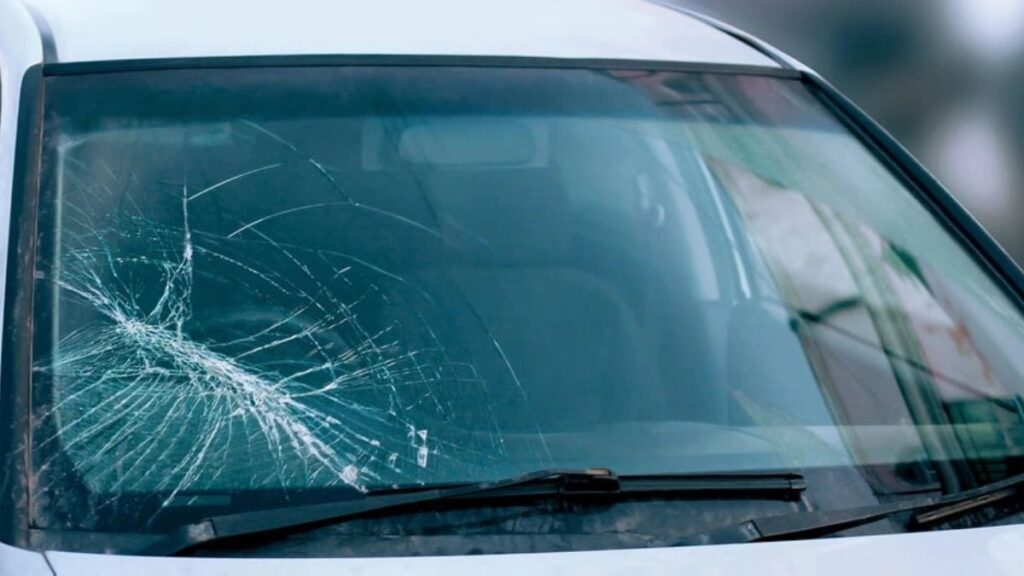
Introduction
Discovering damage to your vehicle’s glass—whether it’s a minor chip or a completely shattered windshield—can be both an inconvenience and a safety concern. Swift action is necessary not just to avoid further harm, but also to stay compliant with safety regulations. Finding a professional auto glass repair service is often the most reliable way to ensure that repairs are done correctly, restoring both visibility and structural integrity. This comprehensive guide will walk you through every step to take after discovering vehicle glass damage, helping you protect your car, yourself, and your passengers.
Assess the Damage
When you first notice glass damage, examine its size, depth, and location. Small chips and cracks—particularly if they’re no bigger than a quarter and away from the driver’s direct line of sight—may be safely repaired. Cracks that are longer than a few inches, deep enough to penetrate multiple layers, or positioned in a way that could impact visibility or the windshield’s structural integrity typically require a full glass replacement. The National Windshield Repair Association advises that most chips smaller than a quarter and cracks up to 2.4 inches in length may be safely repaired, but variables such as depth and location can affect this assessment.
Document the Damage
Before making any repairs or contacting your insurer, take clear, well-lit photos of the damage from different angles, including both the exterior and interior views. If heavy equipment glass repair is needed, documenting the damage thoroughly is especially important. This evidence is crucial for insurance claims and any possible disputes, providing proof of the extent and circumstances of the glass damage. Record the date, time, and details about how or where the damage occurred, as this documentation can speed up claim resolution.
Contact Your Insurance Provider
Check your auto insurance policy to see what’s covered regarding glass repairs or replacements. Comprehensive policies often include coverage for windshield repairs (sometimes even without a deductible), but don’t assume—specific exclusions or conditions may apply. Notify your insurance provider as soon as possible to understand your coverage and begin the claim process. Your insurer might direct you to their approved vendors or offer recommendations for certified local shops.
Repair vs. Replace: Making the Right Choice
Choosing between glass repair and replacement boils down to a few key factors:
- Size and Depth: Small chips (smaller than a quarter) and short cracks of less than three inches can often be repaired effectively.
- Location: If the damage is within the driver’s primary viewing area or along the windshield’s edge, replacement is often safer. Edge cracks can quickly spread and impair the strength of the entire glass panel.
- Severity: Deep multi-layer cracks, star-shaped chips, or historical repairs to the same area typically indicate that a replacement is the best option.
Having a professional inspection can clarify the safest and most affordable long-term solution for your vehicle.
Temporary Measures to Secure Your Vehicle
If you cannot get immediate repairs, it’s important to secure your car temporarily:
- Clean the Area: Put on gloves and gently remove any loose, shattered glass from the seats or floor using a handheld vacuum. Carefully sweep the edges to prevent injuries.
- Cover the Damage: Use a clear plastic sheet or water-resistant, heavy-duty tape to seal the opening, keeping out rain and debris until repairs are possible.
- Park Safely: If possible, park your vehicle in a garage or a sheltered area to minimize exposure to the elements and prevent further damage.
Remember, these are only stopgap solutions. Seek professional repair at the earliest opportunity to ensure full protection.
Legal Considerations and Safety Implications
Operating a vehicle with cracked or shattered glass can be illegal and unsafe. For example, in California, the law prohibits driving with any windshield impairment that compromises the driver’s ability to see. Furthermore, damaged windshields weaken your car’s structural integrity—a major factor in rollover accidents and the efficiency of airbag deployment. Prompt repairs or replacements ensure compliance with the law and significantly enhance occupant safety.
Preventive Tips to Avoid Future Damage
- Maintain Safe Following Distances: Extra space behind trucks and gravel-hauling vehicles reduces the chance of flying rocks causing glass damage.
- Avoid Gravel Roads: Try to steer clear of loose gravel surfaces, especially at moderate or high speeds, to reduce the likelihood of chips from debris.
- Regular Inspections: Check your vehicle’s glass for small chips and cracks. Addressing issues early can keep minor problems from spreading and requiring full replacement.
Staying vigilant and adopting these practices can help prolong the lifespan of your glass and ensure that your vehicle remains a safe environment for years to come.