The Essential Role of Concrete Flatwork in Modern Construction
Concrete flatwork forms the literal foundation of modern life, supporting everything from urban streets and public plazas to private patios and garages. In cities and suburbs alike, these flat surfaces are a daily encounter, quietly influencing safety, walkability, and even the visual unity of neighborhood blocks. When thoughtfully designed and skillfully installed, it enhances connections between spaces and enables smoother movement for everyone.
The involvement of expert contractors, such as those found at Keflatwork.com, ensures that the work looks professional and meets the functional demands of both vehicle and pedestrian traffic. The difference between a bumpy, cracked surface and a smooth, even walkway can dramatically affect the way individuals—especially those with mobility devices—navigate daily life. With standards and innovations constantly evolving, concrete flatwork is more than just a surface; it’s a community asset that underpins safety, accessibility, and aesthetic value.
Why Safety and Accessibility Matter
A single misstep on an uneven sidewalk can result in months of discomfort or even life-changing injury. Falls are the leading cause of injury-related visits to emergency rooms, and even minor hazards in flatwork can pose significant dangers to people of all ages. Prioritizing the construction of barrier-free, slip-resistant surfaces isn’t merely a matter of regulatory compliance—it’s a public health imperative.
Accessible design also invites broader participation in community life. Ramps, tactile indicators, and curbs designed for easy crossing ensure that families pushing strollers, people using wheelchairs, seniors with walkers, and children learning to ride bikes can all navigate public and private spaces without unnecessary risk. These features foster a more inclusive environment, breaking down physical barriers and reducing the chance of preventable injuries. Ultimately, spaces that welcome everyone reinforce community bonds, local economic activity, and a sense of individual confidence and independence.
Choosing the Right Materials and Techniques
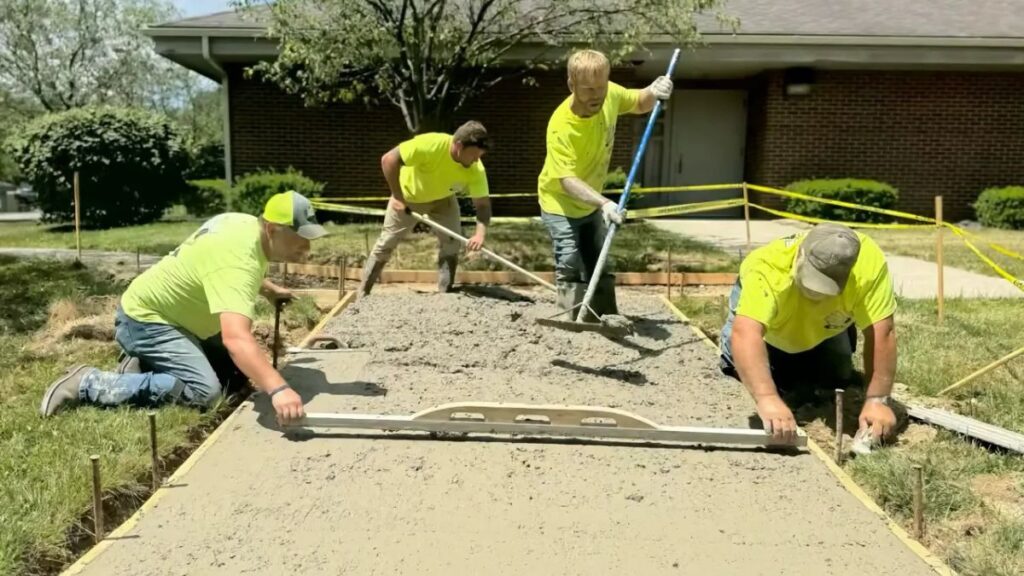
The technologies and materials used in today’s flatwork have changed substantially. Contractors now utilize specialized admixtures to increase concrete’s tensile strength, fibers that limit cracking, and sealants that defend against moisture and salt damage. Laser-guided screeds and advanced vibratory tools allow teams to create extremely level surfaces over large areas, eliminating the high and low spots that can easily trip up pedestrians or damage bicycles and wheelchairs.
In areas prone to harsh winters or frequent freeze-thaw cycles, the appropriate mix design—potentially with air-entrainment or supplementary cementitious materials—ensures that the surface remains resilient year after year. Cutting-edge approaches like permeable concrete aid flood prevention and contribute to eco-conscious development by promoting groundwater recharge. The careful selection and implementation of these materials ensures flatwork longevity and minimizes maintenance needs and future disruptions.
Maintaining Quality Through Professional Installation
Sustainable, safe concrete flatwork starts well before the first batch is mixed. Site assessment and preparation are critical, as a well-compacted subbase must properly support flatwork to avoid settling, shifting, or cracking over time. Professional crews lay out strategic expansion and control joints to accommodate future movement caused by temperature changes and soil shifts, helping to protect the integrity of the concrete surface for years.
Every phase—from excavation to finishing—demands careful attention. Concrete that isn’t mixed, placed, or cured correctly can develop scaling, honeycombing, or dusting, all of which shorten the lifespan of the work and increase hazards. Reputable contractors adhere to local codes and industry-wide best practices, conducting quality checks at every step. For property owners, this translates to fewer repairs, ultimately lower costs, and added peace of mind.
Designing for Durability and Visual Appeal
The era of plain gray concrete is fading fast. Homeowners, businesses, and municipalities are discovering creative options to elevate simple flatwork into attractive landscape features or statement entryways. Decorative techniques such as stamping, stenciling, staining, and adding colored aggregates can turn a backyard patio or public plaza into a centerpiece, blending beauty with utility.
At the same time, these enhancements must serve practical needs. Textured finishes provide significant slip resistance, especially in wet climates or areas near swimming pools, while lighter colors may be chosen to reduce surface temperatures in sunny environments. The right design choices can increase curb appeal, property values, and neighborhood cohesion without compromising safety. True success in concrete flatwork design marries form with function, offering an enjoyable and lasting experience.
Meeting Environmental and Community Needs
Cold, hard surfaces can be surprisingly green, thanks to the growth of sustainable practices in flatwork construction. Using locally sourced recycled aggregates and cement-replacement materials lowers environmental impact, while permeable designs help cities fight urban flooding and promote groundwater replenishment. Environmentally mindful flatwork also addresses heat island effects, with lighter colors that reflect sunlight and specialized coatings to keep surfaces cooler.
Community-driven initiatives include remodeling entire city blocks and replacing dated or hazardous walkways with new, accessible ones as part of complete street programs. These projects allow pedestrians, cyclists, motor vehicles, and public transportation. Such changes improve individual safety and strengthen social ties, promote alternative transportation, and create more attractive spaces for economic activity and leisure.
Best Practices for Long-Term Maintenance
Even the best concrete flatwork requires thoughtful maintenance to maintain its benefits over the years. Periodically resealing surfaces prevents moisture, road salts, and oils from infiltrating and weakening the structure. Small cracks and chips should be addressed immediately to keep them from spreading, and routine cleaning can remove slippery moss or debris.
Using non-corrosive de-icers and rubber-tipped shovels can protect against surface damage for those in snowy climates. Scheduled inspections encourage proactive rather than reactive care, which is cost-effective and vital for high-traffic areas. By implementing these straightforward maintenance practices, owners and communities can enjoy safe, beautiful flatwork throughout all seasons.
How Concrete Flatwork Supports Inclusive Communities
Modern neighborhoods are at their best when everyone feels welcome and can participate fully in community life. When designed and installed with universal access in mind, concrete flatwork plays a quiet but vital role in supporting this vision. Features like smooth ramps, detectable warning strips at crosswalks, and accessible routes through parks and plazas enable seniors, children, and those living with disabilities to move confidently and independently.
Thoughtful flatwork doesn’t just meet legal requirements—it transforms how spaces are used and experienced, fostering connections and supporting local economies. Parks become gathering spaces, city centers encourage walking and cycling, and families can trust that public walkways are safe for all. Concrete flatwork is about more than creating surfaces—empowering communities to thrive. By combining smart design, innovative materials, expert installation, and regular maintenance, today’s projects lay the groundwork for safer, more beautiful, and more inclusive places for everyone.