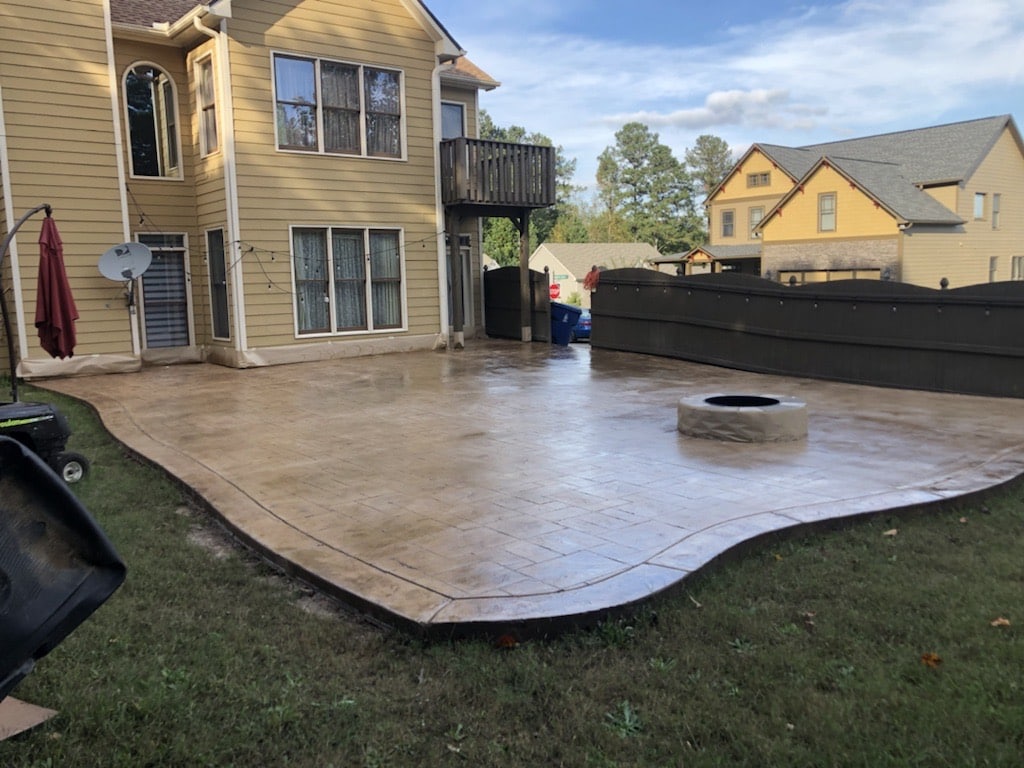
Why Concrete is a Top Choice for Today’s Homeowners
Concrete has long been recognized for its strength and resilience, but recent advancements have elevated it from a mere building material to a home design essential. Gone are the days when driveways and patios had to be plain and utilitarian. Today, homeowners are discovering how concrete can add unique character and charm to their outdoor spaces. Whether choosing elegant stamped designs, vibrant color washes, or intricate scoring, concrete now adapts beautifully to personal styles and neighborhood aesthetics. Investing in a trusted concrete contractor ensures that these creative visions are executed with precision, resulting in spaces that don’t just serve a purpose but tell a story. Residents are increasingly attracted to homes where crisp, well-designed concrete features set the tone for an inviting arrival and communicate thoughtful attention to detail. These customized options aren’t just for show—they’re also practical. Modern concrete offers impressive performance in diverse climates, holding up to freeze-thaw cycles, heavy traffic, and variable weather. The expanding use of concrete for visible outdoor spaces stems from its adaptability and value. Whether it’s a grand entry driveway with geometric patterns or a subtle garden path bordered by textured concrete, there’s a design and finish to fit every home’s needs—functionally and aesthetically.
Popular Concrete Projects for Curb Appeal
- Driveways: The primary approach to your home is more than just a space for cars—it’s the front stage of your property. Custom overlays, colored finishes, and boldly patterned scoring turn basic driveways into focal points that make lasting impressions. Adding features like decorative borders or integrating paver-style effects allows driveways to stand out, complementing landscaping and home design.
- Walkways: Carefully designed paths guide families and guests through gardens and outdoor spaces. Decorative stamping or exposed aggregate adds slip resistance and visual intrigue. Variations in curving lines, color selections, and inlay details personalize these paths to enhance each homeowner’s style and make the journey from curb to door memorable.
- Front Steps and Porches: These high-traffic outdoor spaces benefit enormously from concrete’s ability to imitate pricier materials such as slate, flagstone, or even aged wood. Concrete creates a welcoming and cohesive entry sequence that blends seamlessly with neighboring houses or stands out as a conversation starter.
- Edging and Borders: Lawns and flowerbeds bordered with custom concrete deliver clean separation, helping define planting areas and reduce maintenance burdens like eroding mulch or overgrown grass. Unique shapes and colors allow borders to echo patterns from the home or driveway for a unified look.
- Planters and Retaining Walls: Concrete planters or retaining walls add vertical layers to landscaping, structure to gardens, and visual anchors to otherwise flat lawns. Whether using cast-in-place or precast techniques, these features integrate greenery, support slopes, and elevate curb appeal year-round.
Creative Finishes to Consider
Today’s concrete projects are defined by individuality and artistry. Increasingly, homeowners are seeking finishes that reflect their personalities and the architectural style of their residences. Exposed aggregate, for instance, brings the natural beauty of small stones to the surface, offering a pleasing texture and a durable, slip-resistant finish. Broom finishes create delicate, linear patterns that mix subtlety with function—great for walkways or driveways needing extra grip.
Techniques like stamping replicate high-end materials, such as brick paving or stone flagging, while delivering a similar visual impact at a significantly lower cost. Staining introduces a rich palette of earthy colors, allowing for custom shades that suit every palette—from Mediterranean reds to contemporary charcoals. These finishes are among the most popular for smoothly updating garden paths in landscaping. Even modest spaces can become elegant highlights with new methods, such as multi-toned staining or polished overlays. Homeowners are encouraged to balance bold statements with timeless appeal to ensure styles age gracefully and retain value.
- Stamped Concrete: For an upscale look, imprint textures that resemble stone, slate, brick, or wood onto freshly poured concrete.
- Stained and Dyed Surfaces: Achieve lasting, vivid color effects that go well beyond what surface paints can provide.
- Polished and Sandblasted Finishes: Create sophisticated surfaces that reflect light or enhance grip, serving decorative and practical purposes.
Choosing the right finish can transform the simplest slab into an attractive, value-adding feature for years.
DIY vs Professional Concrete Work: What’s Best?
The scope of a project often determines whether DIY or professional installation is preferable. Enthusiasts will find plenty of guides and kits for stepping stones, simple edges, or raised garden beds—great starting points for learning material handling and finishing skills. However, challenges arise with larger pours, complex shapes, or advanced finishes like stamping and staining, even for confident DIYers. Mixing and pouring concrete requires attention to timing and technique, especially when dealing with weather variables or intricate forms. For major upgrades—driveways, large patios, or multi-step walkways—it’s generally worth consulting or hiring professionals. Experts bring experience, specialized equipment, and knowledge on sub-base preparation, rebar reinforcement, and controlled curing, all of which affect final structural integrity and longevity. Savvy homeowners often split projects: commissioning the initial construction and structural forming, then stepping in with creative touches as budget or inspiration allows. This hybrid approach ensures solid foundations and customized style.
Benefits Beyond Beauty: Longevity and Sustainability
Curb appeal is just the tip of the iceberg regarding concrete’s advantages. Professionally installed and adequately maintained surfaces last decades, requiring minimal care compared to alternatives like asphalt or wood. Concrete resists degradation from de-icing salts, heat, insects, and even accidental spills. Sustainability is increasingly top-of-mind for homeowners and builders. New concrete mixes can incorporate recycled materials such as glass, fly ash, or industrial byproducts, which help offset the product’s carbon footprint. Light-colored finishes’ high reflectivity (“albedo”) lowers surrounding surface temperatures, which can be especially beneficial in large, sun-exposed driveways. Concrete’s thermal mass helps buffer temperature extremes, making the environment more comfortable for people and more supportive for plants nearby. As green building practices rise, concrete stands out for its longevity and evolving eco-friendly attributes.
Budgeting and Planning Your Concrete Project
- Identify Priorities: Start with high-impact projects—like driveways or porches—that immediately boost curb appeal.
- Get Multiple Quotes: Pricing varies with location, chosen finish, slope of land, and access to the site; comparing detailed bids ensures you get the best value and insight on possible challenges.
- Plan Site Preparation: Beyond the visible concrete layer, costs may include demolition of old surfaces, soil compaction, drainage adjustments, or landscaping integration. Proper site prep prevents cracks and other long-term issues.
- Plan for Long-Term Care: Include periodic sealing, stain touch-ups, or cleaning in the total cost, protecting your investment for years.
Taking the time to plan thoroughly pays off—not only in curb appeal but also in ongoing enjoyment and minimizing future repairs. A detailed plan helps avoid costly overruns and easily aligns a project with your lifestyle and budget.
Future Trends: Technology and Concrete Design
Technological advancements are reshaping what’s possible with residential concrete. New admixtures make concrete more durable and sustainable, with self-healing properties and permeable mixes that reduce stormwater runoff. Smart pavers with embedded sensors are starting to appear in high-tech landscaping, offering data on usage patterns or even icing warnings. Design-wise, look for a surge in custom color blends, fade-resistant coatings, and unique, tactile surface treatments. Trends favor merging digital design with expert craftsmanship, resulting in landscaping that blurs the lines between function and art. Homeowners who embrace these developments often see their outdoor spaces become conversation starters and future-proof investments.
Final Thoughts
With boundless options for finishes and designs, concrete projects provide an unmatched opportunity to reimagine outdoor spaces while adding value and visual impact. Approaching each project with creativity, careful planning, and quality artistry ensures impressive curb appeal and a long-term upgrade that’s both reliable and rewarding. Today’s concrete isn’t just tough—it’s beautiful, intelligent, and here to stay.