
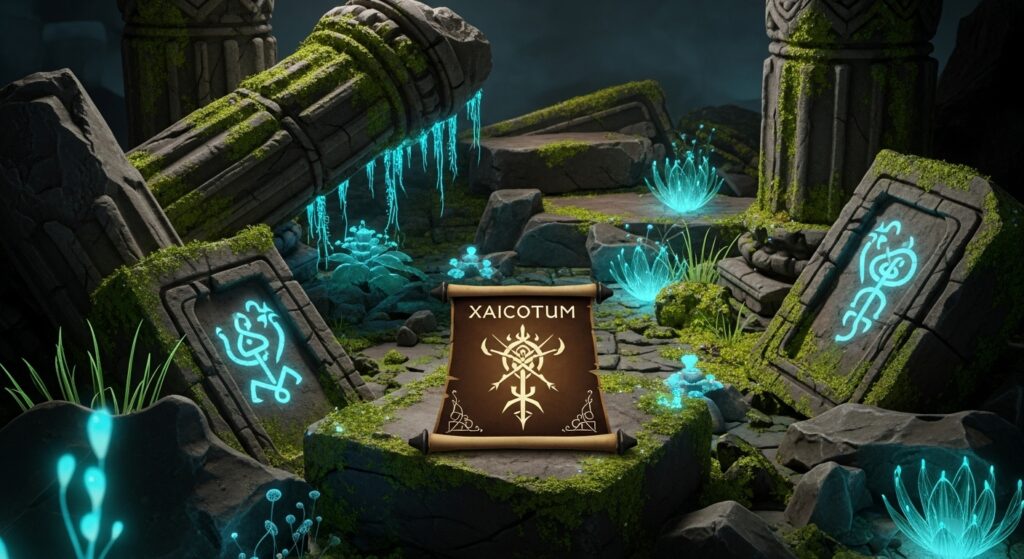
Among the vast universe of mythical beings—dragons, phoenixes, leviathans—few strike the imagination as powerfully as the Xaicotum, a creature whispered about in fragmented ancient texts and revived in modern fictional worldbuilding. The Xaicotum stands out not only for its surreal physical form but for its profound symbolic meaning.
This elusive creature is described as a guardian of liminal spaces, a being that exists between worlds and watches over the fragile boundaries that connect life, dreams, and the unseen realms.
In this blog, we dive deep into the xaicotum’s origins, characteristics, cultural significance, and its growing impact on modern fantasy.
Origins of the Xaicotum: A Creature Between Worlds
The xaicotum is believed to originate from a cluster of early myths that explored thresholds—doorways between physical and metaphysical planes. These myths appear in several fictionalized cultures, especially those that emphasize cycles of rebirth, dreamwalking, or ancestral communication.
The Earliest Descriptions
Ancient codices describe the xaicotum as a creature that:
-
Resides in “the thin places,” where reality bends
-
Guards portals between waking life and dreams
-
Emerges during epochs of imbalance
-
Carries knowledge from realms mortals rarely perceive
Some traditions portray it as benevolent, others as dangerously neutral—never malicious, but capable of causing great upheaval if boundaries are disturbed.
What Does a Xaicotum Look Like?
Although appearances vary by region and storyteller, most depictions of the xaicotum share these features:
1. A Luminous, Shifting Body
The xaicotum is often described as partially translucent, with a body that shifts like heat haze or shimmering water. This symbolizes its semi-existence between planes.
2. Multi-Layered Eyes
Instead of singular pupils, it possesses rings of eyes, each representing a different dimension of perception—past, future, emotion, energy, and memory.
3. Antlers Made of Light or Crystal
The xaicotum’s antlers function as antennas that allow it to detect rifts between realms.
3. A Tail That Moves Like Smoke
Its tail leaves trails of luminescent mist, marking places where reality feels thin.
4. Feather-Fur Hybrid Texture
Its body is sometimes portrayed with feathers layered over fur, creating a soft yet ceremonial appearance.
This blend of animalistic and otherworldly features makes it one of the most visually striking mythical creatures in speculative fiction.
Abilities and Powers of the Xaicotum
The xaicotum is not merely a symbolic guardian—its abilities are powerful and often awe-inspiring in stories.
1. Dimensional Guardianship
The xaicotum can sense disturbances in the metaphysical fabric of reality. If a rift forms, it stabilizes it or seals it entirely.
2. Dreamwalking
Some legends say the xaicotum can enter dreams, guiding lost spirits or delivering messages across generations.
3. Emotional Echo Detection
The creature can sense human emotions across great distances. It reacts strongly to fear, grief, or desperation, often appearing to individuals during moments of life-changing crisis.
4. Time Veil Perception
While it cannot travel in time, it can see across timelines, which explains its reputation as a prophetic, all-knowing entity.
5. The Harmonizing Cry
The xaicotum’s vocalizations create harmonics that stabilize magical energy, making it a revered presence in magical landscapes.
These abilities reinforce the creature’s role as a protector, mediator, and keeper of cosmic balance.
Symbolism: What the Xaicotum Represents
Mythical creatures often serve metaphorical purposes, and the xaicotum is no exception. In modern storytelling, it symbolizes:
1. Thresholds and Transitions
From adolescence to adulthood, loss to healing, or the shift between worlds—xaicotum stories often appear in narratives about significant life change.
2. Balance and Harmony
As a guardian of boundaries, it represents the delicate equilibrium between chaos and order.
3. Ancestral Knowledge
Its dreamwalking ability symbolizes inherited wisdom and the conversations we have with the past.
4. Emotional Depth
Its sensitivity to feelings makes it a symbol of empathy, introspection, and emotional intelligence.
5. The Unseen Realms
The creature embodies the mystery of dimensions that lie beyond human comprehension.
In many ways, the xaicotum is a reminder that reality is layered, and that unseen forces shape our lives in subtle ways.
Cultural Variations in Xaicotum Lore
Though fictional, the xaicotum appears in many worldbuilding projects, fantasy universes, and mythic reinterpretations.
1. Northern Highland Traditions (Fictional)
The xaicotum is a winter guardian that appears in blizzards. Travelers who see its glowing silhouette are said to be blessed with safe passage.
2. The Desert Dreamwalkers (Fictional)
Here, the xaicotum is a spiritual guide that helps nomads navigate dream visions and interpret ancestral messages.
3. Oceanic Cultures (Fictional)
The xaicotum is believed to protect underwater rifts and guide migrating spirits to their final resting place.
4. Forest Druidic Lore (Fictional)
This version of the creature is tied to ancient trees and acts as a healer of damaged magical ecosystems.
Each cultural lens adds depth, nuance, and symbolic richness to the legend.
The Xaicotum in Modern Fantasy Literature
Writers and worldbuilders have recently embraced the xaicotum as a versatile creature that fits seamlessly into:
-
Epic fantasy novels
-
Graphic novels
-
Video game lore
-
Tabletop RPG bestiaries
-
Dream-based psychological thrillers
-
Animated worldbuilding projects
Authors love using it as a guardian mystic, spiritual guide, or enigmatic neutral force whose goals are not always clear but always cosmic.
Why Writers Love the Xaicotum
-
It’s visually stunning
-
It embodies multiple archetypes at once
-
It functions well in plot-critical mythologies
-
Its neutrality makes it unpredictable
-
It enhances symbolism in character arcs
Because of these qualities, the xaicotum is quickly becoming a staple in modern myth-inspired fiction.
The Xaicotum in Gaming and Visual Art
Outside literature, the xaicotum has found popularity in digital art communities and independent game development.
In Games:
The creature often appears as:
-
A guardian boss
-
A neutral world event
-
A rare creature with dimensional powers
-
A quest-giver for dream-related storylines
Players are drawn to its elegance and its mysterious motivations.
In Art:
Artists love the xaicotum for its:
-
Bioluminescent glow
-
Shapeshifting features
-
Mythological symmetry
-
Ethereal, dreamlike presence
Its aesthetic lends itself well to soft, glowing palettes and surreal compositions.
Why the Xaicotum Captivates Modern Audiences
So why does a fictional mythical creature like the xaicotum resonate so strongly?
1. It Taps Into Dream Symbolism
In an age where dreams, psychology, and spirituality overlap, the xaicotum embodies the mysteries we still can’t explain.
2. It Represents Balance Amid Chaos
Today’s world often feels unstable. The creature’s role as a harmonizer appeals to audiences craving stability.
3. It Feels Ancient Yet Fresh
It echoes the grandeur of classic mythical beings but introduces modern, surreal elements.
4. It Encourages Imaginative Expansion
Its dimensional nature pushes creators to explore reality beyond its visible edges.
5. It Speaks to Emotional Intelligence
Because it resonates with human emotions, readers feel connected to it on a personal level.
The xaicotum is more than just a creature—it’s an idea, a metaphor, and a mirror.
Final Thoughts
The xaicotum, though fictional, feels like a creature that could have existed in any ancient mythos. Its blend of beauty, power, mystery, and emotional resonance makes it a compelling figure in modern storytelling.
Whether portrayed as a dream guardian, a cosmic wanderer, or a keeper of balance, the xaicotum captures the imagination and invites us to question the boundaries of reality.
As long as humans continue to dream, create, and explore the unknown, the xaicotum will continue to thrive in our collective imagination.