
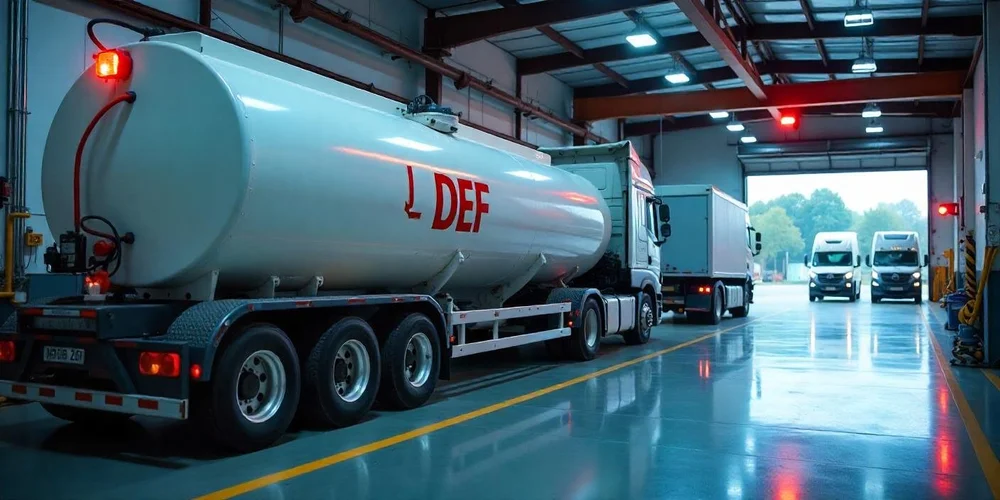
In today’s fast-paced, environmentally conscious industrial and transportation sectors, Diesel Exhaust Fluid (DEF) has become an essential resource. Designed to reduce harmful emissions in diesel engines, DEF is not only mandatory for regulatory compliance but also vital for engine efficiency and longevity.
As demand continues to rise, many businesses are shifting from small-scale DEF purchases to a more strategic and cost-effective solution: bulk diesel exhaust fluid. Whether you manage a large fleet, operate heavy machinery, or run a fuel distribution business, understanding the value of bulk DEF delivery and storage is critical for smooth operations and compliance.
In this article, we’ll explore everything you need to know about Diesel Exhaust Fluid, why bulk purchasing is a smart move, how the supply chain works, and what to consider when choosing a supplier.
- What Is Diesel Exhaust Fluid (DEF)?
Diesel Exhaust Fluid is a non-toxic, clear solution made from 32.5% high-purity urea and 67.5% deionized water. It is used in diesel engines equipped with Selective Catalytic Reduction (SCR) technology. When injected into the exhaust stream, DEF breaks down harmful nitrogen oxide (NOx) emissions into harmless nitrogen and water vapor.
SCR systems are now standard in most diesel engines manufactured after 2010, especially for vehicles and equipment that must meet strict emissions regulations.
- Why Is DEF Necessary for Diesel Engines?
DEF is critical for several reasons:
- Environmental Compliance: Helps meet EPA and international emissions standards.
- Improved Fuel Economy: Engines can be optimized for performance, relying on DEF to handle emissions.
- Extended Engine Life: Reduces wear and soot buildup in engine components.
- Legal Requirements: Mandatory for all newer diesel vehicles and off-road equipment in many regions.
Running out of DEF can disable vehicles or cause them to enter “limp mode,” drastically reducing speed and functionality until refilled.
- Common DEF Supply Challenges
While DEF is widely available in small quantities—like jugs or drums—businesses with large-scale needs often face several pain points:
- High Per-Gallon Costs: Buying small containers frequently is expensive over time.
- Inconsistent Supply: Retail stock may not meet ongoing demand.
- Labor Intensive: Handling and storing small units increases time and labor costs.
- Contamination Risks: Improper storage and handling can compromise DEF purity.
These issues make a strong case for transitioning to bulk diesel exhaust fluid solutions.
- What Is Bulk Diesel Exhaust Fluid?
Bulk diesel exhaust fluid refers to purchasing DEF in large volumes—typically hundreds or thousands of gallons—delivered directly to your site or refueling facility. It eliminates the need to rely on retail or small-packaged supplies, allowing for more efficient storage, distribution, and use.
Bulk DEF is transported in specialized, sealed trucks that fill your onsite tanks using calibrated meters and clean handling systems to ensure purity.
- Who Benefits from Bulk DEF Supply?
Bulk DEF delivery is especially valuable for:
- Logistics & Transportation Fleets
- Construction and Heavy Equipment Operations
- Municipal Services (e.g., buses, waste management)
- Agricultural Equipment Operators
- Mining and Industrial Sites
- Fuel Retailers and Convenience Stores
Any operation running multiple diesel-powered engines can benefit from the efficiency and cost-effectiveness of bulk DEF management.
- Advantages of Bulk Diesel Exhaust Fluid
Switching to bulk DEF offers several strategic benefits:
a. Lower Cost per Gallon
Buying in volume significantly reduces the price per gallon, often saving 30–50% compared to jug or drum purchases.
b. Improved Operational Efficiency
Your team spends less time handling containers, tracking inventory, or making emergency runs for refills.
c. Guaranteed Supply
With scheduled deliveries or tank monitoring, you’re never caught without DEF when it’s needed most.
d. Cleaner, Safer Handling
Closed-loop delivery systems eliminate spills and contamination, which could damage engines and violate emissions standards.
e. Environmentally Friendly
Fewer plastic containers, less packaging waste, and reduced delivery frequency contribute to a lower environmental impact.
- Onsite Storage Options for Bulk DEF
To take full advantage of bulk diesel exhaust fluid, you’ll need proper storage systems. These include:
- Tanks: Above-ground or underground, ranging from 50 to 10,000+ gallons.
- Dispensers: Manual or automated systems for fleet refueling.
- Temperature Control: DEF should be stored between 12°F and 86°F (–11°C to 30°C) to maintain quality.
- Material Safety: Tanks must be made from compatible materials such as stainless steel or high-density polyethylene.
Many suppliers also offer turnkey installation of storage systems with monitoring technology.
- How Bulk DEF Delivery Works
Here’s what you can expect when working with a DEF bulk supplier:
- Site Assessment: They assess your fuel and fluid needs to determine the right tank size and setup.
- Tank Installation: Storage units are delivered and installed per industry standards.
- Scheduled Delivery: Deliveries can be scheduled regularly or triggered by automated tank level sensors.
- Metered Delivery: Trucks fill your tanks using clean, calibrated dispensing equipment.
- Compliance Reporting: You receive tracking data and documentation for emissions compliance and inventory control.
Reliable suppliers also provide 24/7 emergency deliveries if needed.
- Quality Assurance for Bulk DEF
Diesel Exhaust Fluid is sensitive to contamination. To ensure quality:
- ISO 22241 Standards: Only purchase from suppliers who meet or exceed this standard.
- Closed Delivery Systems: Prevent exposure to dirt, oil, or metals that can degrade DEF.
- Proper Labeling and Documentation: Confirm batch numbers, expiration dates, and chemical purity.
Using contaminated or degraded DEF can damage SCR systems and lead to costly engine repairs.
- Choosing a Bulk DEF Supplier: What to Look For
A dependable DEF supplier is more than just a delivery service. Here are key factors to consider:
- Experience in Bulk Fuel Logistics
- Onsite Equipment Options (tanks, pumps, meters)
- Flexible Delivery Schedules
- Automated Monitoring & Reorder Systems
- Transparent Pricing and No Hidden Fees
- Certified Quality Testing and Purity Guarantees
Request a site visit and reference checks before signing a contract.
- Comparing Bulk DEF to Other Delivery Options
| Delivery Type | Pros | Cons |
| Small Jugs (2.5 gal) | Easy to store & transport | Expensive, labor intensive |
| 55-Gallon Drums | Better volume, manageable size | Still manual, limited lifespan |
| 275-Gallon Totes | Good for moderate usage | Requires pump, harder to move |
| Bulk DEF Delivery | Most cost-effective & efficient | Requires initial tank investment |
The long-term savings and convenience of bulk diesel exhaust fluid outweigh the upfront costs for high-usage operations.
- Sustainability and Environmental Impact
Bulk DEF systems support sustainability goals by:
- Reducing Plastic Waste: Fewer jugs and drums to dispose of.
- Lower Emissions: Fewer truck trips for delivery means a reduced carbon footprint.
- Cleaner Engines: DEF improves diesel combustion, reducing pollutants.
For companies working toward ESG (Environmental, Social, and Governance) benchmarks, this is a step in the right direction.
- Common Mistakes to Avoid with Bulk DEF
- Improper Storage: Avoid using containers that leach metals or allow UV exposure.
- Mixing Fluids: Never add water or other additives to DEF.
- Overfilling Tanks: Can cause pressure issues or spillage.
- Inconsistent Suppliers: Switching vendors may result in inconsistent quality or service.
Partnering with a reliable, experienced DEF provider helps avoid these issues.
Conclusion
Managing Diesel Exhaust Fluid is no longer a simple back-office task—it’s a strategic operational priority. For high-usage businesses and industries, bulk diesel exhaust fluid offers unmatched efficiency, cost savings, and regulatory peace of mind.
By investing in proper storage systems, choosing a trusted supplier, and scheduling regular deliveries, you ensure that your fleet or equipment operates smoothly, safely, and in compliance with emissions standards. It’s a smart, scalable solution for businesses that can’t afford downtime or guesswork.