Common Myths About Root Canal Treatment
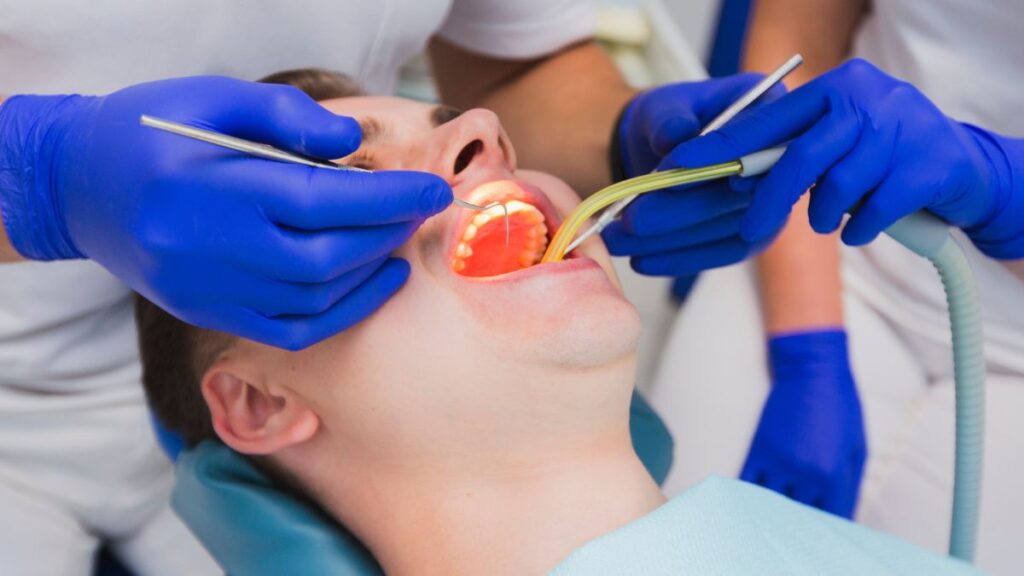
A persistent myth about root canal therapy is that it is an excruciating and distressing procedure. Yet, with the remarkable advancements in modern dentistry, most patients are surprised by the ease and comfort of today’s root canal treatments. In fact, the question are root canals painful? It is asked frequently because older procedures and stories still shape public perception. New methods and improved anesthetics ensure the experience is not only manageable but often comparable to receiving a standard dental filling. Understanding the reality behind this essential treatment can help minimize dental anxiety and encourage patients to seek the care they need without unnecessary fear.
Modern endodontics has reshaped perceptions of root canal therapy, demonstrating that discomfort is typically minimal and that most pain originates from pre-existing infections rather than the procedure itself. Root canals are typically necessary when the tooth pulp becomes inflamed or infected due to deep decay, repeated dental procedures, cracks, or trauma. Warning signs include lingering sensitivity, chewing pain, gum swelling, or pimple-like bumps. Early diagnosis, utilizing advanced tools such as digital X-rays and pulp vitality tests, helps preserve the tooth and prevent complications. Technological advancements, including rotary instruments, lasers, intraoral cameras, and cone-beam CT scans, have made root canal treatment more precise, efficient, and comfortable, often reducing appointments and recovery times while improving patient outcomes.
How Patient Comfort Has Improved
Fear of dental procedures is common, but patient comfort has reached new levels, thanks to local anesthetics that numb the tooth and surrounding tissues completely before treatment begins. For individuals with dental anxiety, dental teams now offer various sedation options, ranging from nitrous oxide to oral sedatives and, in some cases, IV sedation or general anesthesia. This personalized approach ensures minimal stress and discomfort at every step.
Beyond pain management, dental offices like Advanced Smiles Marion prioritize open communication and clear education about each phase of the procedure. Patients are guided through what to expect, making the process less mysterious and more reassuring. Surveys of patient feedback indicate that, for many, root canal therapy today is no more unpleasant than getting a filling or other common dental procedure.
Early Warning Signs
- Severe or lingering sensitivity to temperature (hot or cold)
- Pain when biting or applying pressure
- Swelling or tenderness around the gums near the affected tooth
- Gum “pimples” or abscess formation
- Tooth discoloration or darkening
Timely attention to these symptoms can make a significant difference in the ease and success of treatment. The sooner a dental professional addresses these warning signs, the more likely it is that the natural tooth can be saved and further complications avoided. According to Healthline, several common symptoms may indicate the need for a root canal, and being aware of them can help ensure prompt and effective care. Early detection not only reduces pain but also minimizes the risk of infection spreading to surrounding teeth and tissues. Maintaining regular dental checkups can help catch issues before they escalate. By staying informed and proactive, patients can preserve their natural teeth and enjoy better long-term oral health.
Tips to Prevent Root Canals
- Brush thoroughly with fluoride toothpaste at least twice daily
- Floss every day to remove debris and plaque between teeth
- Schedule regular dental cleanings and checkups
- Use a custom mouthguard during sports to minimize dental injuries
- Limit sugar-rich foods and acidic drinks that contribute to decay
Preventive care is the cornerstone of dental health. Developing and maintaining healthy daily habits, attending routine check-ups, and seeking prompt treatment at the first signs of trouble can significantly reduce the likelihood of requiring major interventions, such as root canals.
The Truth About Root Canals: Comfort, Care, and Prevention
Root canal treatment is no longer the painful and intimidating procedure that many fear. Advances in modern dentistry, from precise instruments and digital diagnostics to effective anesthetics and sedation options, have made the experience comfortable and highly successful. Recognizing early warning signs and maintaining strong oral hygiene are key to preventing complications and preserving natural teeth. By understanding the realities of root canal therapy and embracing preventive care, patients can protect their dental health with confidence and peace of mind.