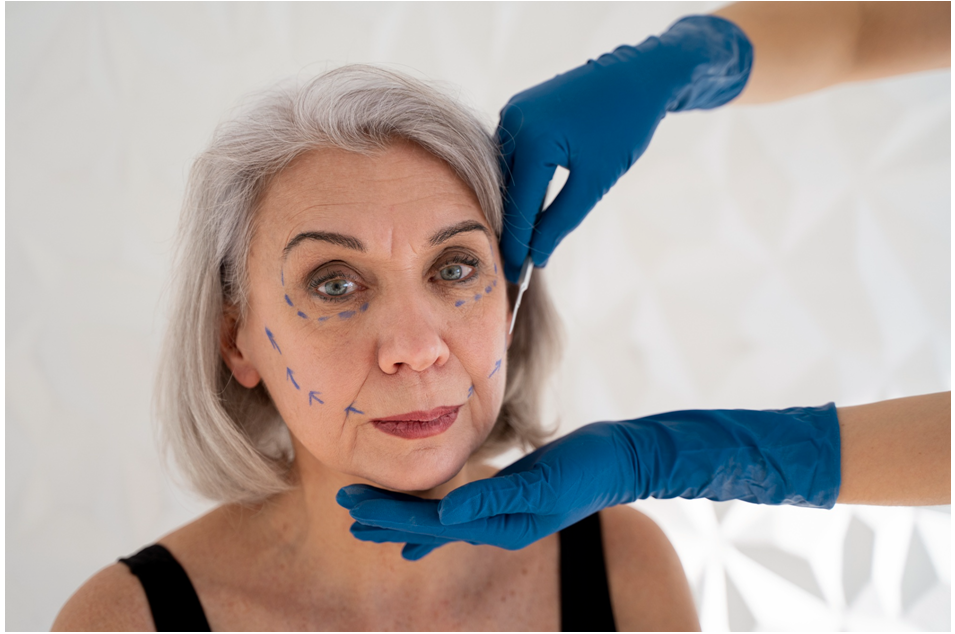
Facial rejuvenation has evolved significantly over the years, and the deep plane facelift is now recognised as one of the most advanced techniques available. This procedure offers natural and long-lasting results by addressing deeper layers of the face rather than just tightening the skin. For those considering a deep plane facelift in Dublin, it is important to understand what the procedure involves, how it differs from traditional facelifts, and what to expect before and after surgery. In many cases, patients also explore complementary procedures, such as upper eyelid surgery in Dublin, to achieve a more balanced and refreshed appearance.
Understanding the Deep Plane Facelift
 What Makes It Different From Traditional Facelifts
A deep plane facelift goes beyond the surface-level tightening associated with traditional facelift techniques. Instead of pulling only the skin, this method lifts and repositions the SMAS (superficial musculoaponeurotic system) and deeper facial tissues, including fat pads and muscles. This allows for more natural results, reducing the risk of a “tight” or “pulled” look.
By working in the deeper layers, surgeons can restore mid-face volume, reposition sagging cheeks, and enhance jawline definition while maintaining soft, natural facial contours. The results typically last longer than standard facelift techniques—often up to 10 to 15 years, depending on the patient’s age and lifestyle.
Who Is an Ideal Candidate
The deep plane facelift is suitable for individuals who are experiencing:
- Sagging skin along the cheeks, jawline, or neck.
- Loss of facial volume and definition.
- Deep nasolabial folds (lines running from the nose to the mouth).
- A tired or aged appearance despite good skin health.
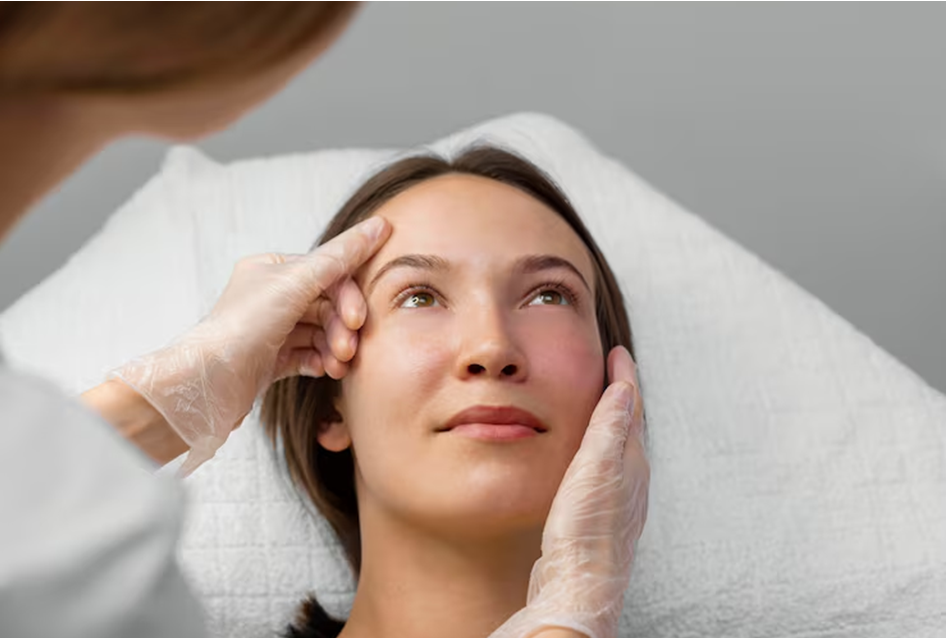
Ideal candidates are generally in good overall health, non-smokers, and have realistic expectations about the outcomes of surgery. During your consultation for a deep plane facelift in Dublin, your surgeon will evaluate your facial structure and discuss your goals to determine if this procedure suits your needs.
The Procedure Explained
Preparation Before Surgery
Before undergoing a deep plane facelift, your surgeon will perform a thorough consultation, including a review of your medical history and a physical examination. You may be advised to avoid certain medications that increase bleeding risks, such as aspirin or herbal supplements, for about two weeks prior to surgery.
Pre-operative photographs may be taken to document your facial structure and assist in planning. Patients are also advised to maintain a healthy lifestyle leading up to surgery, as this supports optimal healing and long-term results.
How the Surgery Is Performed
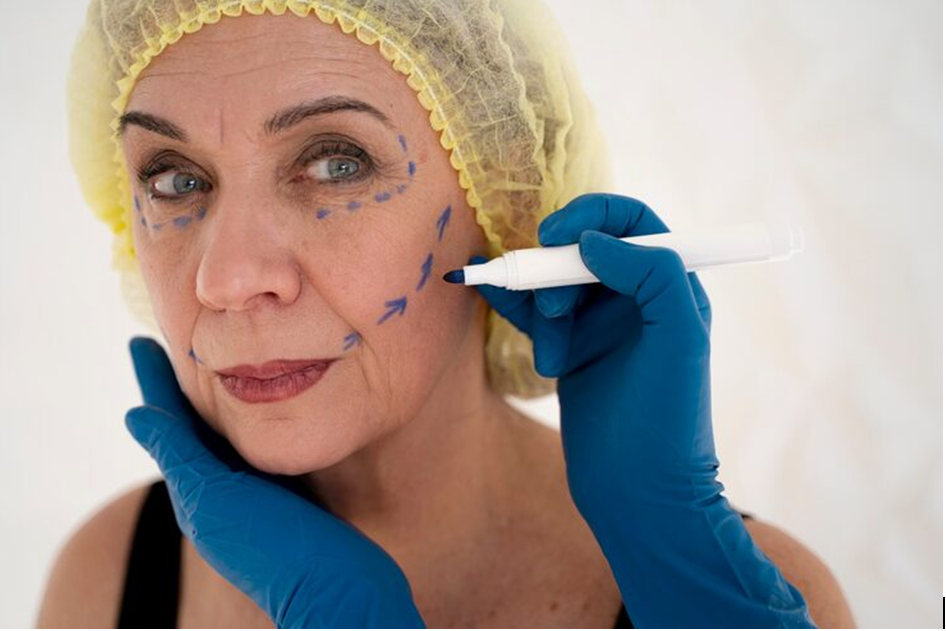
During the procedure, the surgeon makes discreet incisions along the hairline and around the ears, ensuring minimal visible scarring. The deeper facial tissues and muscles are carefully lifted and repositioned to create a more youthful contour. Unlike other facelift techniques that rely heavily on skin tension, the deep plane approach achieves results by adjusting underlying structures, which allows the skin to drape naturally over the face.
Depending on the complexity and whether additional procedures, such as upper eyelid surgery in Dublin, are performed, the surgery may take several hours. Patients are typically placed under general anaesthesia or local anaesthesia with sedation for comfort.
Recovery and Aftercare
Immediate Recovery
After surgery, patients are monitored in a recovery area before being allowed to go home, usually on the same day. Mild bruising, swelling, and tightness are normal during the first week. Pain is usually minimal and can be managed with prescribed medication.
It is important to follow all post-operative instructions carefully. This includes:
- Keeping your head elevated, even while sleeping.
- Avoiding strenuous activity for at least two weeks.
- Attending all follow-up appointments for suture removal and healing checks.
Cold compresses can help reduce swelling, and most patients find that bruising subsides within two to three weeks.
Long-Term Recovery
By the fourth week, most patients can resume normal social activities. The final results gradually emerge as swelling settles, revealing a smoother, more youthful facial appearance.
Scars typically fade over time and are easily concealed along the hairline and natural creases of the ears. Your surgeon will recommend skincare and sun protection measures to maintain the best possible results.
Combining Deep Plane Facelift With Upper Eyelid Surgery
A deep plane facelift focuses primarily on the mid-face and lower face, including the jawline and neck. However, many patients also experience sagging or drooping eyelids, which can make them appear tired even after a facelift. In such cases, upper eyelid surgery in Dublin can be performed at the same time.
Benefits of Combining the Two Procedures
- Harmonised results: Both procedures together provide balanced rejuvenation from the eyes to the neck.
- Single recovery period: Undergoing both surgeries simultaneously means one period of downtime instead of two.
- Comprehensive facial enhancement: While the facelift addresses sagging skin and deeper tissues, eyelid surgery improves the eyes’ appearance by removing excess skin or fat.
Combining treatments allows patients to achieve a refreshed, youthful, and natural look that complements their facial structure.
Safety and Potential Risks
Every surgical procedure carries some degree of risk, and a deep plane facelift is no exception. However, in the hands of a skilled and experienced surgeon, complications are rare. Potential risks include:
- Infection or bleeding.
- Temporary numbness due to nerve stretching.
- Scarring, though usually minimal and well-hidden.
- Asymmetry or uneven results, which can be corrected with minor touch-ups.
Selecting a reputable clinic and a qualified plastic surgeon in Dublin is the most effective way to minimise risks. Clinics offering both deep plane facelift in Dublin and upper eyelid surgery in Dublin typically have experienced surgeons who specialise in advanced facial procedures.
Choosing the Right Clinic in Dublin
When selecting a clinic for your deep plane facelift, consider the following factors:
- Surgeon’s experience: Look for a surgeon who is board-certified and has specific training in facial rejuvenation.
- Before-and-after photos: Reviewing patient results can help you understand the surgeon’s aesthetic style.
- Patient reviews: Feedback from other patients can offer valuable insight into their experience.
- Consultation approach: A good clinic should take time to understand your goals and answer all questions thoroughly.
Dublin has a growing number of aesthetic clinics offering modern facial procedures. Selecting a clinic known for safety, transparency, and expertise will give you confidence throughout your treatment journey.
Expected Results and Longevity
Patients often notice improvements immediately after the initial swelling subsides, with results continuing to refine over several months. The deep plane facelift typically provides more durable results than traditional techniques, maintaining a youthful appearance for over a decade in many cases.
Ageing will continue naturally, but patients usually appear younger than their chronological age even years after surgery. Maintaining a healthy lifestyle—such as avoiding smoking, staying hydrated, and using sun protection—helps prolong results.
Conclusion
 Undergoing a deep plane facelift in Dublin is an effective way to restore youthful contours and rejuvenate the face in a natural, lasting manner. The technique’s depth and precision set it apart from older facelift methods, delivering subtle yet significant results. When combined with upper eyelid surgery in Dublin, it can further enhance facial harmony and bring a refreshed appearance to both the eyes and face.
By choosing a qualified and experienced surgeon, following proper aftercare, and maintaining realistic expectations, patients can achieve outstanding results that enhance their confidence and overall appearance for many years to come.