It’s incredibly frustrating when your car constantly breaks down or spends more time in the mechanic’s shop than it does in your driveway. Whether you rely on your vehicle for daily commutes, driving your children to school, or running essential errands, an unreliable car can quickly disrupt your routine and drain your finances. The cycle of ongoing repairs isn’t just inconvenient—it can lead to a sense of powerlessness and create significant stress in your daily life. In these situations, learning how to protect your rights, keep records, and knowing when to seek the help of a lemon law lawyer in Los Angeles can make all the difference. By understanding your options, you empower yourself to take action and potentially break free from the never-ending cycle of repairs.
When a vehicle continues to fail after repairs or seems to have endless problems, you’re not just dealing with mechanical headaches—you’re facing potential legal and financial issues as well. Each trip to the shop can cost you valuable time, money, and peace of mind, and over time, these repairs can drastically reduce your vehicle’s resale value. Navigating these situations requires both knowledge and proactivity to minimize losses and hopefully secure a more dependable ride. Knowing your options can help you control the narrative—rather than allowing your car troubles to control your day-to-day life.
Recognizing a Lemon Vehicle
Not every unreliable car qualifies as a lemon, but certain criteria help you determine if yours does. A “lemon” is generally defined as a vehicle with significant mechanical defects that impact its use, value, or safety—defects that persist even after a reasonable number of repair attempts. For example, if your car continues to stall, won’t start, or suffers from recurring safety-related defects, it may be considered a lemon. Often, if your car spends over 30 days in the repair shop during the warranty period or requires repeated fixes for the same problem, it may meet your state’s lemon law criteria. Each U.S. state, such as California, establishes its own definitions and remedies, so review your state’s legislation closely or consult with a professional to confirm your situation. Don’t overlook warranty documentation and recall notices, as these may impact the case for labeling your car as a lemon and obtaining compensation or a replacement vehicle.
Maintaining Detailed Repair Records
One of the most critical steps you can take when facing recurrent car issues is keeping meticulous documentation. Each time you visit the repair shop, ask for a written repair order that includes the date, your complaint, the diagnosis, and a breakdown of the work performed. This paper trail is invaluable if you decide to pursue a buyback, replacement, or compensation under lemon laws, as regulators and courts rely heavily on documentation. Diligent recordkeeping helps demonstrate the reliability (or lack thereof) of your car and the adequacy of the manufacturer’s or dealer’s response. For instance, records make it clear whether the same issue keeps recurring or if new problems continue to arise. Also, remember to retain any related emails, text message correspondence, and receipts for towing or rental cars, as these can help substantiate your inconvenience and financial loss.
Communicating with Repair Shops and Manufacturers
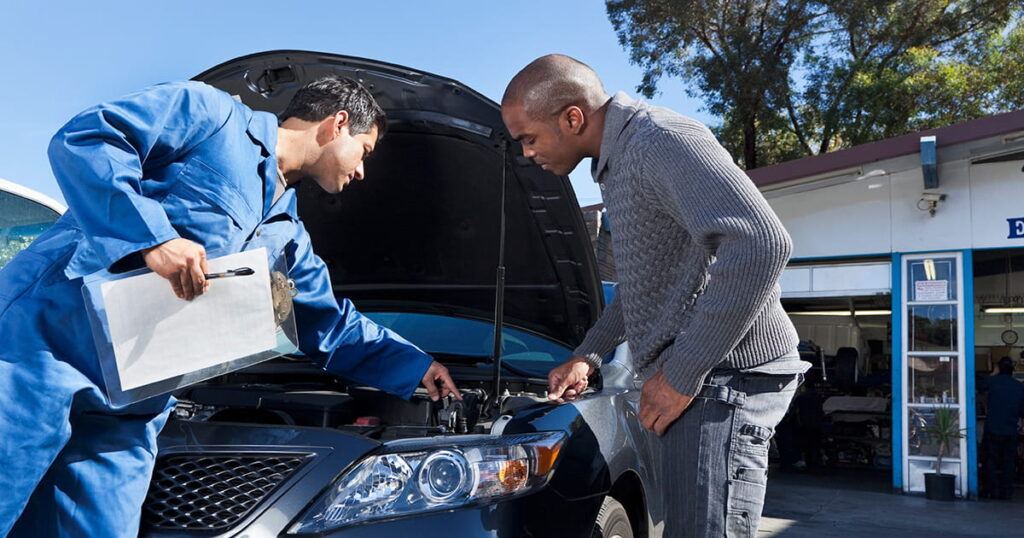
Clear and professional communication with your car’s repair shop and the manufacturer is a must. Before agreeing to repairs, request a written estimate and clarification of the work to be done. Don’t hesitate to ask questions if anything is unclear, and insist on being informed if costs change during a repair. If you feel your concerns aren’t being addressed or your issues continue to resurface, escalate the issue by contacting the manufacturer directly or consulting with an experienced attorney. At all times, insist on itemized receipts and keep correspondence in writing whenever possible, as written records protect you if disputes arise. If a particular repair shop doesn’t provide transparency or seems dismissive of your concerns, don’t hesitate to seek a reputable second opinion or visit a different certified mechanic. Good communication is the first step toward a more satisfactory, fair repair process.
Exploring Legal Options
If your car fits your state’s lemon law criteria despite multiple repair attempts, you may have the right to a vehicle replacement or refund. Consumer protection statutes exist to safeguard you from being stuck with a car that’s always out of commission, but remedies vary widely depending on the jurisdiction. Consulting with a lawyer familiar with lemon laws helps ensure you receive accurate advice tailored to your specific circumstances, as well as an advocate who can negotiate with the manufacturer on your behalf or represent you in court, if necessary. Legal action is often the last resort, but knowing your rights gives you a powerful bargaining tool, especially if the manufacturer or dealer is otherwise unwilling to resolve the issue voluntarily. A reputable attorney can evaluate whether your case qualifies and make the process less overwhelming. Understanding the time limits to file a claim is crucial, so don’t delay if you think you have grounds for legal recourse.
Preventive Measures to Avoid Future Issues
Prevention is the best medicine—regularly scheduled maintenance and quickly addressing early warning signs can help you avoid many common breakdowns. Always follow your manufacturer’s recommended maintenance timetable and act at the first sign of trouble, whether it’s an unfamiliar noise, fluid leak, change in performance, or a dashboard warning light. Getting routine oil changes, checking fluid levels, and rotating tires not only support your vehicle’s health but also help catch minor problems before they become expensive repair bills. Investing in routine care extends your car’s lifespan, protects its value, and minimizes your risk of repeated trips to the repair shop.
Understanding Repair Shop Scams
Scams and unethical practices happen, even at well-known repair shops. Be wary of pushy service writers who recommend unnecessary repairs, mark up charges, or provide vague descriptions of work performed. Some shops may try to take advantage of your lack of mechanical knowledge, so don’t agree to costly repairs without clearly understanding what’s being done and why. Learning to recognize signs of scams will not only help you save money, but it will also build your confidence in managing your car’s repairs. Familiarize yourself with consumer protections and request written proof of repairs and warranties whenever possible. If something doesn’t seem right, pause the repair process and seek an independent expert’s opinion.
Seeking Professional Assistance
If your best efforts aren’t resolving your vehicle woes, don’t hesitate to seek help from a consumer protection attorney. Car manufacturers and dealerships are far more likely to take your complaints seriously once they learn you have legal representation. An attorney can help you document your case, understand the relevant laws in your state, and negotiate for a fair resolution on your behalf, reducing your stress and protecting your investment. Remember, consulting a lawyer does not automatically mean you are headed to court; often, legal guidance is enough to encourage the other party to offer a more favorable outcome without the need for litigation.
Facing persistent car problems is stressful, but by being vigilant, staying organized, and knowing when to seek expert advice, you stand the best chance of protecting your investment and moving forward confidently—ideally with a reliable car that spends its life on the road, not in the shop. The power to end the never-ending repair cycle may be closer than you think, so take a proactive approach and don’t settle for a vehicle that lets you down at every turn.