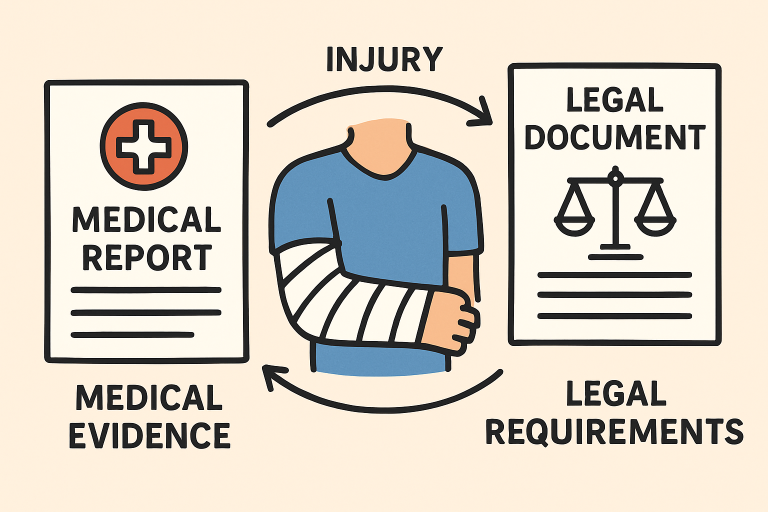
Understanding how the law defines a serious injury is important for anyone navigating a personal injury claim. In many cases, not every instance of physical harm automatically meets the legal threshold for pursuing certain types of compensation. Under New Jersey law, the distinction often centres on the severity, permanence, and long-term impact of the injury. Courts may consider whether the injury results in significant disfigurement, loss of bodily function, or a permanent limitation that substantially affects daily life. Medical documentation and expert evaluations often play a key role in determining whether an injury meets these criteria.
Because these determinations can directly affect the outcome of a claim, individuals often seek reliable legal information before proceeding. Resources such as chamlinlaw.com provide general insight into how injury classifications are assessed and what factors may be reviewed during legal proceedings. Having a clear understanding of these standards can help injured parties make informed decisions about their rights and potential remedies.
Understanding Serious Injury Thresholds in New Jersey
In New Jersey, personal injury cases, especially those related to auto accidents, often require the injured party to meet a “serious injury” threshold in order to step outside the state’s no-fault insurance system and pursue a lawsuit against the at-fault party. This requirement stems from New Jersey’s verbal threshold law, also known as the “limitation on lawsuit” option, which restricts the right to sue unless the injury meets certain criteria defined by statute.
Serious injuries are defined under N.J.S.A. 39:6A-8(a) and typically include:
- Significant disfigurement or scarring
- Displaced fractures (broken bones)
- Loss of a body part
- Permanent injury within a reasonable degree of medical probability
- Loss of a fetus
- Death
These categories are narrowly interpreted, so clear medical evidence and documentation are mandatory.
The Importance of Medical Documentation
Proving a serious injury in court or to an insurance company hinges upon comprehensive and accurate medical records. Healthcare providers must be able to substantiate the permanent or significant nature of your injury, using objective medical evidence such as diagnostic tests (e.g., X-rays, MRIs), surgical reports, and ongoing treatment notes.
For instance, a “permanent injury” must involve a body part or organ system that will not heal, recover, or regain function with further medical treatment. Establishing this level of injury generally requires testimony from a qualified medical professional.
How the Verbal Threshold Affects Your Rights
If you elected the “limitation on lawsuit” or verbal threshold option as part of your auto insurance policy, your ability to file a lawsuit will be restricted unless your injuries qualify under the statute. This law was established to reduce court congestion and insurance costs, but it places the burden on the injured person to demonstrate the seriousness of the injury.
If your injuries do not meet this criterion, you may be limited to recovering medical expenses and certain economic damages through your Personal Injury Protection (PIP) coverage, and you cannot seek compensation for pain and suffering.
Common Types of Qualifying Serious Injuries
Permanent Injuries
The most commonly contested issue in these cases is whether the injury is permanent. The New Jersey Supreme Court has clarified that a “permanent injury” is one where a body part, organ, or both has not healed and will not return to its previous condition, even with further medical intervention. Common examples include herniated discs, irreversible nerve damage, or injuries requiring the installation of permanent medical devices.
Significant Disfigurement or Scarring
To qualify under this category, the injury must be both visible and substantial. Minor scars or cosmetic imperfections rarely meet the threshold. The injury must be severe enough to cause a lasting and obvious change in appearance, such as major facial scarring or disfiguring burns.
Displaced Fractures
Simple or hairline fractures are not enough. The law requires proof of a displaced fracture, meaning the bone fragments are separated and have lost alignment. Medical imaging and orthopaedic evaluations are key to assessing the severity of such fractures.
The Role of Legal Representation
Having a knowledgeable attorney can make a crucial difference when proving the severity of your injuries. Lawyers experienced in New Jersey personal injury law understand the nuances of the statute and know the evidence necessary to meet the legal requirements. An attorney can also connect you to the right medical specialists, help you gather and present evidence, and ensure your legal documents support your claim.
Insurance companies often seek to minimize playouts and may argue that your injuries are less serious. Skilled legal counsel is indispensable for advocating on your behalf and countering these tactics.
Conclusion
Meeting New Jersey’s serious injury threshold is a strict legal requirement that determines your right to pursue compensation beyond basic insurance. If you believe you have suffered substantial harm, acting quickly is essential. Gathering thorough medical evidence and seeking guidance from a knowledgeable attorney will strengthen your position and increase your chances of success. To navigate these complex legal challenges, experienced attorneys can provide vital support every step of the way.