Every movement you make—walking, bending, lifting, reaching—relies on a connected chain of muscles, joints, and nerves working together. When one part of that chain becomes weak, tight, or dysfunctional, the rest of your body compensates. Over time, these compensations lead to discomfort, mobility limits, or recurring injury. Physical therapy reveals where these weak links exist and helps you correct them before they turn into larger issues. For many people, problems begin with radiating lower-body discomfort. If you’re noticing pain that travels through your hip or down your leg, exploring sciatic nerve pain treatment can help identify the breakdown in your movement chain.
Understanding how these imbalances develop—and how PT corrects them—is key to restoring healthy, pain-free movement.
Understanding How Imbalances Lead to Injury
Movement imbalances rarely appear overnight. They build slowly, often without noticeable pain until the body can no longer compensate. Physical therapists specialize in identifying these issues early to prevent injuries from becoming chronic.
Weak Muscles Shift the Workload Elsewhere
If one muscle group isn’t strong enough to perform its job, the surrounding muscles step in to compensate. For example, when hip muscles are weak, the lower back often takes on too much strain. Over time, this leads to tightness, inflammation, and discomfort during everyday activities.
Tight or Overactive Muscles Cause Restricted Motion
When certain muscles become tight, they limit your joints’ ability to move freely. Restricted hips can alter walking mechanics, while tight calves can affect knee alignment. These limitations force the body into unnatural movement patterns that contribute to pain.
Poor Posture Creates Repetitive Stress
Slouched shoulders, rounded backs, or uneven weight distribution place excessive pressure on joints and soft tissues. Long-term poor posture can cause tension headaches, shoulder pain, and chronic back discomfort.
Old Injuries Leave Behind Hidden Deficits
Even minor injuries—like an ankle sprain from years ago—can affect how you move today. Without full rehabilitation, leftover weakness or stiffness disrupts your movement chain, gradually leading to issues elsewhere. These long-term imbalances are a common cause of recurring discomfort that benefits from chronic pain physical therapy treatment to restore balance and reduce stress on surrounding areas.
Compensations Become Habits
Your body learns to move around pain. Over time, these altered patterns become automatic, making imbalances even harder to correct without targeted help.
Therapists Target Specific Deficits for Better Performance
Physical therapists are movement experts—they analyze your body’s functional chain to find exactly where weakness, stiffness, or coordination issues begin. Once identified, PT creates a personalized plan to rebuild strong, healthy movement.
Comprehensive Movement Assessments Identify the Root Problem
Your therapist will evaluate posture, gait, flexibility, strength, and joint motion. This full-body assessment reveals how your movement chain functions as a whole, helping pinpoint the true origin of your pain—not just where you feel it.
Manual Therapy Restores Mobility and Reduces Pain
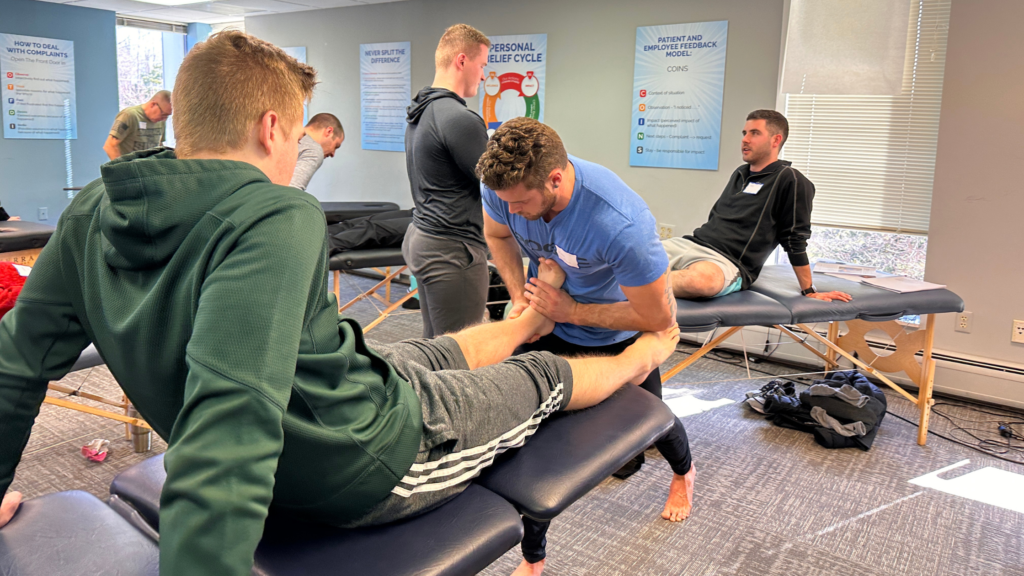
Hands-on techniques such as soft tissue mobilization, stretching, and joint mobilization help release tight muscles and improve motion in restricted joints. Restoring mobility upstream or downstream in the movement chain often reduces pain in the affected area.
Targeted Strengthening Rebuilds Stability
Strengthening weak muscles restores balance in the movement chain. For example, strengthening the core and hips reduces stress on the lower back. This is particularly important for people receiving physical therapy for back pain, where imbalances often drive recurring discomfort.
Corrective Exercises Improve Coordination and Control
Therapists teach you how to retrain movement patterns so your body stops relying on unhealthy compensations. This restores proper alignment, enhances coordination, and supports long-term pain relief.
Functional Training Makes Everyday Movement Safer
Therapists incorporate real-life movement training—lifting, bending, reaching, stepping—to ensure the improvements you gain in therapy translate directly into your daily life.
Education Helps Prevent Future Weak Links
PT empowers you with the knowledge to maintain strong movement patterns through posture tips, home exercises, warm-up routines, and strategies for avoiding re-injury.
Conclusion
Physical therapy does more than treat pain—it uncovers the weak links that cause it. By understanding how imbalances develop and how they affect your movement chain, PT helps restore balance, strength, and mobility throughout your body. Through targeted treatment, corrective exercises, and expert guidance, you can break harmful compensation patterns and build a strong foundation for long-term performance.
Whether you’re dealing with radiating pain, chronic discomfort, or recurring stiffness, addressing weak links early helps you move confidently, safely, and without limitations. Physical therapy gives you the tools to rebuild your movement chain and restore healthy function from head to toe.