If you work around heavy gear—say in oilfields, construction sites or industrial yards—you’ve likely heard the terms lifting equipment and rigging equipment. They may sound interchangeable, but knowing how they differ will help you keep things safe, efficient, and clear.
In this article you’ll learn what each term really means, how they fit together, and why treating them as distinct matters for your operations.
1. What is lifting equipment?
Lifting equipment refers to the machinery or devices that raise, lower or suspend loads. Think of the big stuff that actually moves the weight. For example: cranes, hoists, winches, hydraulic jacks. These machines supply the vertical force needed to lift something heavy.
When you pick a lifting tool you consider:
- the weight of the load
- the distance or height of the lift
- whether the machine has the capacity and stability for that job
- if the gear is properly maintained and certified
For example, if you bring in a heavy transformer and you use a crane to hoist it, that crane is lifting equipment.
2. What is rigging equipment?
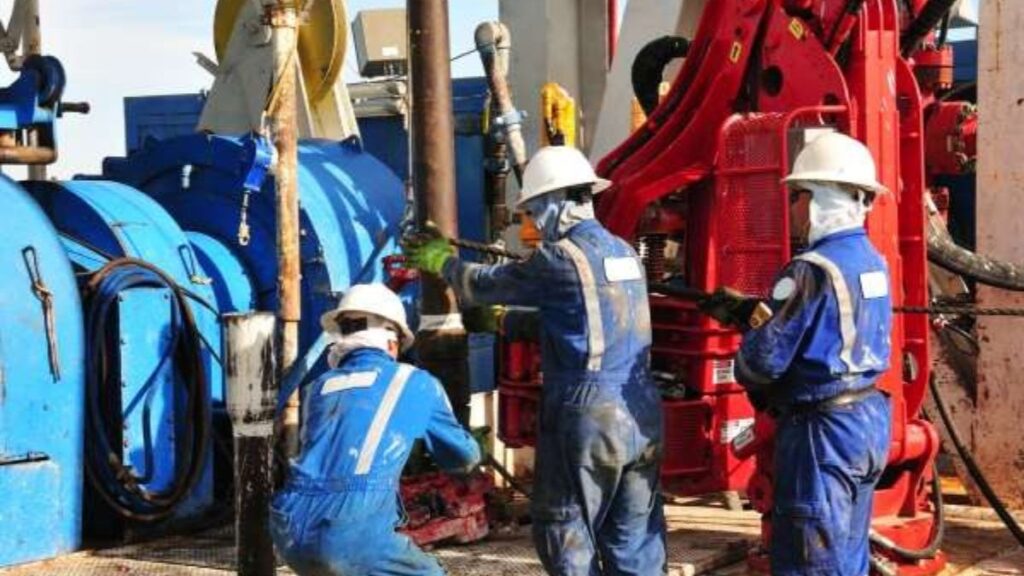
Rigging equipment, by contrast, covers the items used to secure, attach, and support the load before or during the lift. It’s the gear that connects the load to the lifting equipment and ensures the load behaves safely in the air.
When you deal with rigging gear you must check:
- does the hardware match the load’s shape, weight, and centre of gravity
- are the sling angles right (bad angles = extra load stress)
- is the gear inspected and within its service life
- is the setup stable, balanced, and free of hazards
For example, if you’re lifting that transformer again, you’d use a set of wire rope slings, shackles, and maybe a spreader beam to connect the load properly to that crane. That’s rigging.
If you’re looking for quality rigging gear or reliable lifting equipment, companies like Basin Wire Rope & Rigging provide a wide range of wire ropes, slings, shackles, and other essential hardware.
They also offer inspection and testing services to help ensure your rigging equipment is safe and up to standard. Using certified, well-maintained gear from a trusted supplier can make a big difference in keeping your lifts safe and efficient.
3. Why the distinction matters
You might wonder: so what if I just lump them together? There are a few key reasons to keep lifting and rigging separate in your mind and practice.
- Safety: Errors often happen when rigging isn’t properly matched to the lift. A strong crane won’t save you if your sling is failing.
- Roles & responsibilities: On a job site, the operator of the lifting equipment may have different responsibilities than the rigger setting up the slings. Keeping the terms clear helps define who does what.
- Equipment life & inspection: Lifting machines might be inspected on one schedule, rigging hardware on another. Treating them as separate means you won’t overlook one.
- Planning & logistics: When you scope a job, you must ask both “what lifting gear do I need?” and “what rigging gear do I need to support the lift safely?” Skipping one part can stall the job or cause unsafe conditions.
4. How they work together
Even though they’re different, lifting and rigging are not independent—they must work in tandem. The sequence typically goes like this:
- Assess the load: weight, shape, centre of gravity
- Select rigging gear: slings, shackles, etc based on load and lift plan
- Attach rigging to load: and connect to lifting device
- Operate lifting equipment: hoist, lower, position the load
- Unload and remove rigging
If any piece is missing or incorrectly matched, you risk load shift, sling failure, or worse. As one article puts it: “Lifting equipment relies on properly rigged loads to operate safely and efficiently, and rigging requires knowledge of the intended lifting equipment and its capabilities.”
5. Limitations and trade‑offs to keep in mind
- Even the best lifting equipment won’t help if rigging gear is damaged, undersized or used incorrectly.
- Rigging gear might be smaller or seem less glamorous, but it can often be the weak link. Don’t under‑invest in it.
- Some gear may blur lines: for example spreader bars or lifting beams might be considered “below‑the‑hook” lifting devices while also supporting rigging configurations. You’ll need clarity in your definitions.
- Environment matters: Harsh conditions (heat, corrosion, chemicals) can degrade rigging hardware faster than the lifting machine.
- Training is essential: You might buy the right gear, but if your team doesn’t know proper sling angles, inspection steps, attachment points, you’re still at risk.
6. Quick checklist for you
Before your next lift, run this simple check:
- ✔️ Do you have the right lifting machine with sufficient capacity for the load and height?
- ✔️ Is the lifting gear inspected, maintained, and certified?
- ✔️ Is the rigging gear matched to the load in weight, shape, angle and environment?
- ✔️ Are all rigger(s) and operator(s) clear on roles, communication and signals?
- ✔️ Have you laid out a plan showing who does what, when, how the load will be attached, moved and placed?
Also, if you’re sourcing gear or services, you might check out how companies like Basin Wire Rope & Rigging, Inc. offer rigging hardware and related services in the oilfield/industrial context.
Conclusion
In short: lifting equipment is the machine that moves the load, while rigging equipment is everything that connects, secures and supports the load during that movement. Both are vital. Confusing them or skipping one stage is a common source of accidents or delays.
By being clear about their roles, checking the right gear for each task, and ensuring your team knows the difference, you’ll set up safer and smoother operations. Use this guide as a reference before every heavy lift—your crew and your load will be better off for it.