Understanding Diversion Programs in Georgia
Diversion programs in Georgia serve as an alternative to traditional criminal prosecution for individuals charged with qualifying, typically non-violent, offenses. These programs are designed with the goal of rehabilitation, not punishment, giving participants a second chance to avoid the lasting consequences of a criminal conviction. Program participants must complete various requirements, which may include educational classes, substance abuse treatment, or community service. Meeting all obligations leads to charges being dismissed. For those interested in this path, Brian Hobbs Law provides legal guidance to help you understand your eligibility and obligations, ensuring you stay on course for a successful outcome.
The purpose of these programs is to address the underlying issues that lead to criminal activity, providing individuals with tools and support to reintegrate into society without the stigma of a permanent record. This approach aims to reduce recidivism while providing opportunities for personal growth and improvement.
Participants benefit significantly if they satisfy the program conditions, but failure to comply comes with significant consequences. Dismissal of charges is not guaranteed if participants fail to meet the requirements, and missing deadlines or failing drug screenings are common pitfalls that can disrupt a participant’s progress.
Legal and rehabilitation experts emphasize the importance of personalized compliance strategies and ongoing communication with program officials to enhance program completion rates. According to the Nolo legal resource center, successful diversion significantly improves prospects for employment, housing, and education after resolution, underscoring the value of participation and follow-through.
 Standard Terms and Conditions of Diversion Agreements
Every diversion agreement will feature specific conditions designed to promote accountability and address factors related to the charge. Standard terms in most Georgia diversion programs include:
- Regular, scheduled meetings with a diversion or probation officer
- Fulfillment of community service hour requirements
- Completion of educational classes or counseling for substance abuse or anger management
- Payment of any court-ordered restitution or fines
- Agreement to remain law-abiding and refrain from further criminal activity, including drug and alcohol use where applicable
Some programs will also include employment verification, mandatory check-ins, or tailored treatment plans, depending on the underlying issues. These stipulations are tailored to the individual offense and participant to maximize the chances for rehabilitation.
Potential Violations of Diversion Terms
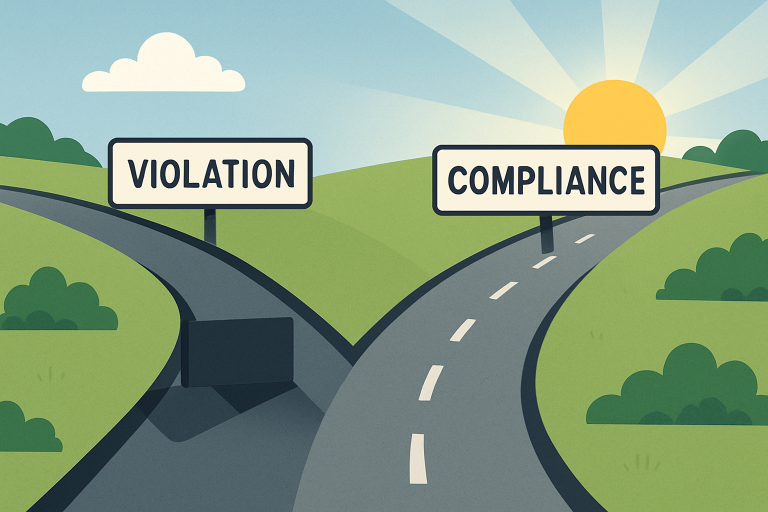
Failing to satisfy program conditions, either through omissions or further unlawful conduct, jeopardizes the benefits of diversion. Violations generally fall into two broad types:
- Technical Violations: Missing required appointments, not completing classes or hours, failing drug screens, or missing payments.
- New Offenses: Committing any additional criminal acts, whether misdemeanors or felonies, while already enrolled in diversion.
Even unintentional lapses, such as administrative errors or miscommunications, can warrant a review and potential program termination by the prosecuting attorney or program administrator.
Legal Consequences of Violating Diversion Terms
The primary consequence of a violation is the immediate reinstatement of the original criminal charges. Essentially, the legal privilege of diversion is revoked, and the case resumes as though diversion had never been agreed upon, which exposes the individual to all original penalties, including jail or probation.
The violation itself can be considered an aggravating factor by the court, which may result in an increased severity of the sentence if the individual is found guilty. Repeat offenders or individuals who disregard compliance may be disqualified from future diversion opportunities in Georgia, according to information found in the Atlanta Journal-Constitution crime and law section.
Impact on Criminal Records and Future Opportunities
One of the most significant losses resulting from a failed diversion program is the missed opportunity to have the criminal record restricted or expunged. A resulting conviction can create lasting barriers to meaningful employment, affordable housing, and higher education, as it appears on background checks. Minor offenses that could otherwise be expunged or shielded remain visible, which can impact one’s future for years beyond the legal proceedings.
For young adults or first-time offenders, this may also restrict access to student loans or certain professional licensing, amplifying the lasting impact of failing to comply with diversion obligations.
Steps to Take If You’ve Violated Diversion Terms
If you become aware of a violation, immediate action can sometimes mitigate the outcome:
- Contact Your Attorney: Consult a knowledgeable criminal defense attorney as soon as possible to discuss potential strategies and next steps.
- Communicate with Program Officials: Report honestly to your diversion officer, outlining circumstances and your willingness to address any deficiencies.
- Attend All Scheduled Hearings: Appear diligently at every court-ordered hearing to demonstrate good faith and accountability, which courts often consider favorably.
In some cases, providing an explanation or taking immediate corrective measures may result in leniency or an opportunity to continue or restart the program, based on the severity and context of the violation.
Preventing Violations: Best Practices for Participants
Success in a diversion program depends heavily on organization and communication. Consider these best practices:
- Stay Organized: Maintain a calendar with all deadlines, meetings, appointments, and assignments related to your diversion requirements.
- Maintain Open Communication: Respond promptly to all communication from your diversion officer or case manager. Report any challenges or emergencies as soon as they arise.
- Seek Support: Take advantage of counseling, support groups, or mentorship opportunities to address root causes and reinforce positive behavior changes.
Proactively managing your responsibilities and embracing available support significantly raises your chances of successful program completion—while minimizing the risk of unintentional violations.
Conclusion
Diversion programs in Georgia can be a powerful tool for turning a legal setback into an opportunity for a fresh start. However, violating program terms jeopardizes that opportunity and can have lasting repercussions on both your legal standing and personal future. By understanding your obligations, proactively seeking legal counsel, and committing to compliance, you give yourself the best chance for long-term success and a clean slate moving forward.