
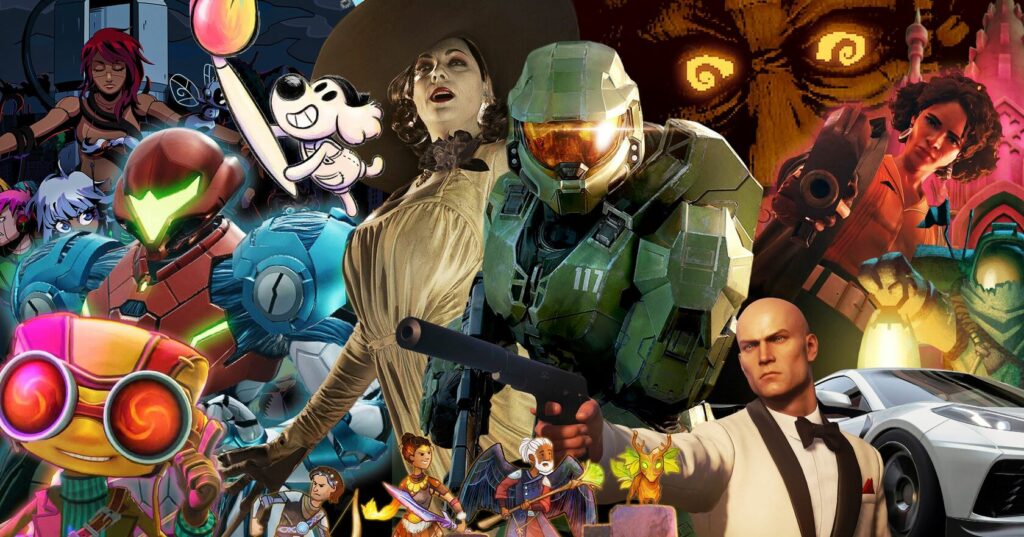
As the gaming industry continues to expand globally, development pipelines have become increasingly complex. Creating a high-quality game today requires not only compelling storytelling, innovative gameplay design, and technical engineering, but also visually striking artwork, animation, audio production, quality assurance, and live-ops support. For studios in the USA and abroad, game outsourcing has emerged as a strategic solution that enables teams to scale efficiently, control production costs, and focus on core competencies. Many developers collaborate with specialized partners such as RocketBrush Studio, which provides end-to-end support for art, design, and production tasks.
In today’s competitive market, outsourcing has evolved beyond one-time contracting. It has become a collaborative extension of the internal team, allowing game studios to deliver polished and innovative products while optimizing resource allocation https://rocketbrush.com/
The Growing Importance of Game Art Outsourcing
One of the most common and vital segments of outsourcing in gaming is game art outsourcing. Visual presentation significantly influences a player’s experience and emotional connection to a game. From character designs and world-building environments to UI elements and animations, art shapes the identity and atmosphere of the final product. However, building a large in-house art department can require substantial time, salary investment, software licensing, and ongoing training.
Why Studios Outsource Art
Studios choose outsourcing for several key reasons:
- Scalability
Games often require more artists during peak production and fewer during early pre-production or late maintenance stages. Outsourcing provides the flexibility to scale talent usage efficiently. - Specialized Skills
Some art styles or pipelines require niche expertise, such as stylized 2D animation, realistic 3D character modeling, PBR-textured environments, or hand-painted materials. Outsourcing grants access to globally diverse artistic talent. - Faster Production Timelines
External teams can work in parallel with internal staff, accelerating delivery schedules and preventing bottlenecks. - Cost Management
Outsourcing can reduce long-term staffing costs for studios that only need certain skills for limited project durations.
Types of Art Commonly Outsourced
- 2D concept art and illustration
- Character and creature modeling
- Environment modeling and scene assembly
- Texture painting and material development
- Rigging and animation
- UI/UX visual systems
- VFX asset creation
By leveraging external artistic support, studios maintain creative direction while ensuring production keeps pace with deadlines.
Partnering with a Game Outsourcing Studio
A game outsourcing studio serves as a professional production partner that integrates into a developer’s pipeline. These studios are structured specifically to collaborate with game companies at different production stages, offering adaptable workflows and communication systems.
What Makes an Outsourcing Studio Effective
A reliable studio should provide:
- Clear Communication Processes
Regular updates, shared project dashboards, and transparent progress reporting. - Proven Industry Experience
Familiarity with multiple engines (Unity, Unreal, Godot), art systems, and platform standards. - Quality Control Systems
Internal review processes, style benchmarking, revision guidelines, and QA for deliverables. - Flexible Scheduling
The ability to align with various time zones and production cycles.
Levels of Integration
Game outsourcing studios can operate at different engagement levels:
- Full-Scope Production: Handling large segments of the game (e.g., environmental world-building).
- Task-Based Support: Completing isolated tasks like texture maps or cutscene animations.
- Dedicated Team Model: Assigning outsourced artists who function like a remote internal team.
This flexibility allows developers to choose the exact level of collaboration needed for each project phase.
The Role of Video Game Outsourcing Companies in the Development Ecosystem
As production pipelines have become more distributed, video game outsourcing companies have become essential collaborators for both AAA publishers and indie teams.
How Outsourcing Companies Fit Into the Industry
- AAA Studios
Outsourcing helps large studios handle massive content creation demands, particularly for open-world titles with extensive texture libraries, characters, and props. - Mid-Sized Studios
Outsourcing supports efficient scaling when transitioning from prototype to full production. - Indie Developers
For smaller teams, outsourcing enables access to professional-grade art and design without the need to hire full-time specialists.
Benefits Across Game Genres and Platforms
Outsourcing companies provide support across all formats:
- Console and PC titles
- Mobile and handheld games
- VR/AR experiences
- Live service and online multiplayer games
Because external teams work across multiple genres and styles, they often bring broader creative input and refined workflows that enrich production quality.
Why the USA Market Relies Heavily on Outsourcing
The USA is home to many leading game publishers, but development costs and competitive scheduling pressures often drive studios to seek external production partnerships.
Key advantages for USA-based teams include:
- Faster staffing scalability
- Cost-effective talent allocation
- Global pipelines that support 24-hour development cycles
- Access to diverse art direction styles, from hyper-realistic to stylized cartoon aesthetics
Outsourcing makes it possible for studios to stay agile in a rapidly changing industry.
Managing Collaboration: Best Practices for Successful Outsourcing
To ensure smooth cooperation, studios should:
| Practice | Benefit |
| Establish clear art direction & visual references | Minimizes revision cycles |
| Provide consistent feedback | Maintains stylistic alignment |
| Use shared project boards & task trackers | Improves workflow clarity |
| Set realistic milestones & review checkpoints | Enhances delivery reliability |
| Treat outsourcing teams as collaborative partners | Strengthens long-term efficiency |
Strong communication is the foundation of every successful outsourcing relationship.
Future Trends in Game Development Outsourcing
As technology and production expectations evolve, outsourcing is adapting in several ways:
- Integration with AI Tools: Outsourcing studios increasingly use AI-assisted workflows to accelerate modeling, texturing, and animation while preserving artistic control.
- Expansion of Virtual Production: More studios are using real-time engines for cinematic pipelines, requiring specialized support from outsourcing partners.
- Growth of Remote Development Workflows: Global remote collaboration is now normalized, improving outsourcing accessibility.
The trend indicates continued growth rather than decline, particularly as the demand for high-content games increases.
Conclusion
Game outsourcing has become a central strategy in modern game development, allowing studios to enhance creative quality, reduce costs, accelerate timelines, and scale talent resources effectively. Whether a team requires specialized game art outsourcing, assistance from a full-service game outsourcing studio, or collaboration with established video game outsourcing companies, outsourcing provides flexibility and professional support that empowers developers to achieve their creative vision.
For studios in the USA and worldwide, outsourcing is not just a logistical solution but a competitive advantage that strengthens artistic output, maintains production efficiency, and helps bring exceptional games to life.