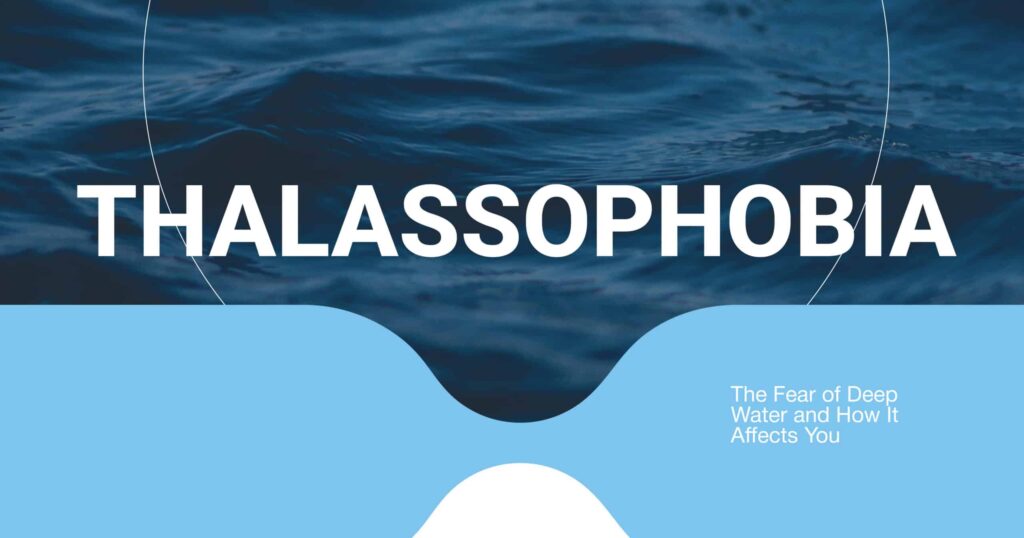
The intense fear of deep water, or thalassophobia, affects people all over the planet. These feelings of fear, discomfort, or disinterest towards water result in a complete avoidance of the water and are more than just regular feelings. Exploring and understanding the condition in question more can help people in trying to figure out the best way to develop skills to manage the condition.
The fear of deep water can stem from a personal experience, an event in someone’s past that cannot be resolved, and the fear of deep water is just an event of the spirit, or just the combination of all of these at the same time. Understanding thalassophobia is to understand the difficulties deep water brings to the mind, body, and soul of a person and the consequences of a negative experience. Let’s try to keep these additional understandings of thalassophobia in mind as we work to create the rest of the report.
Understanding Thalassophobia and Deep Water Fear
A large number of people fear the condition of thalassophobia. The brain fears the unknown, but some people fear what can be seen on the other side of an unknown, large body of deep water. Others can appreciate the beauty of the water, but the deeply frightened cannot.
Fears of drowning, claustrophobia, or threatening marine life can also be motivators of the unrest people report and the fears that get more intense when thinking about what really might be underneath the water.
Some people may not experience thalassophobia, the pounding, racing heart and breath, and the overall emotional intensity and feelings of looming danger within themselves, but report the emotional symptoms rather consistently. It can get stronger with isolation or loneliness, or it can get stronger with touch or the physical presence of people. An impending danger can itself also be part of the physical support of people in the presence, which can get too much or become Face Space with Thalassophobia. Being able to understand Thalassophobia to some degree and get more of a healthy self, so more self-care can actually be self-known.
The Psychological Impact of Thalassophobia Symptoms
Also, impacting everyday life, to bring more about the presence of Thalassophobia. This goes to both the emotional, feelings, and the cognitive experience. This gets more complicated when someone, in the absence of that fear, helps to somehow bring order and structure to the emotional process of logical reasoning. People can totally underestimate how active, powerful, and real so much of the mental imagery can be with this. Even when what you are looking at, when imagining, or when someone is actually looking at the water, when someone is simply looking at an image of the water, or an actual document or an image, it can and does contain the ocean in it.
The reason behind the overwhelming reality of thalassophobia is the disconnection of logic and emotion. Some symptoms include, but are not limited to, rapid onsets of panic, dizziness, and/or shaking, even when not around an ocean. The fear is amplified for people who are not involved in any water activities, as the avoidance reinforces the fear.
The fear of the ocean is complex, and this is why the power of the fear’s name is even greater.
What Causes Thalassophobia in the First Place?
Thalassophobia is not an uncommon fear, but it often develops for different people in varying ways, and for many people, the same root causes often seem to arise. A common thread for people might include a frightening incident, especially in the case of young children. Situations include, but are not limited to, being yanked underwater, near drowning, or seeing a person who has panicked in water. The experiences are often traumatic and can leave their mark for a long time.
In other cases, the fear is not as sudden as it can develop slowly. This can include watching movies or documentaries that are meant to portray the water as dark and dangerous or anxiety-inducing. It also has its roots in biology, as people tend to avoid environments where they are not easily able to see and predict movement. Wild, deep water is incredibly unpredictable, and this can leave people feeling easily trapped, resulting in the fear being amplified.
Additionally, a person may be more likely to develop thalassophobia if they have a personality trait, such as a higher degree of sensitivity or more generalized anxiety.
Thalassophobia Triggers and How They Intensify Deep Water Fear
Those who have thalassophobia often have an increased, more profound, emotional or psychological response to certain stimuli that relate to or depict the ocean or body of water. At times, the trigger can be visual, like a video that displays a shipwreck submerged under water. There are also times when the fear comes from merely the thought of something hiding under the water.
Some common triggers can be:
- The thought of being far from land
- Images or depictions of underwater trenches or drop-offs
- Blank, unbroken, and still blue water
- Stories depicting or talking about creatures from the deep sea
- Unpredictable or rough water with waves or currents
While these triggers may be different on the surface, they frequently respond the same – with a panic response, shaking, stress avoidance, or an overall sense of being overloaded. Identification and recognition of these triggers are essential in overcoming and defeating thalassophobia.
Exploring the Physical Reactions Caused by Deep Water Anxiety
Thalassophobia also impacts more than just a person’s mental state. Their body is also affected. Once a person thinks or visualizes deep water in a certain way, the body can enter into a defensive mode. When the deep water is perceived as a threat, the sympathetic nervous system kicks in, causing increased heart rate, rapid, more shallow breathing, and muscle tension.
Some people might feel a little disoriented or lightheaded. Attack episodes might occur in severe cases. Since thalassophobia creates a severe impact on someone’s body, the use of certain grounding techniques becomes crucial to mitigate the impact of the anxiety.
Fear of the Unknown: Why the Ocean Triggers Intense Anxiety
Part of what makes thalassophobia the most powerful of fears is the pure fear of the unknown. Unlike swimming pools or shallow waters, the ocean hides everything. This in itself is enough to set the imagination in a spiral.
People might picture harmful beings, dangerous drops in depth, or situations where they suddenly lose control. Although the logical brain might deny the fear, the emotional response is unequivocally legitimate.
This validation is necessary, as some people base their fears on the fear of the unknown to rationalize why they shouldn’t feel that way.
Treatment Solutions Targeting Thalassophobia in a Clinical Setting
While the fear of the ocean is common and ingrained in people’s psyches, a lot of people don’t seek help. However, for these people, the impact of professional supportive systems has been able to help mitigate some symptoms of progressive thalassophobia.
Cognitive Behavioral Therapy (CBT) is often the best form of treatment. CBT guides patients to retrain their brains with new thought processes to gradually eliminate their fear response. Other treatments include exposure therapy, wherein patients face their fears starting with the least triggering exposure until they have reached their highest fear-triggering exposure.
In extreme cases where symptoms become overwhelming, medication may help control anxiety. Understanding how thalassophobia impacts different systems of the body and mind is made easier with professional help.
How Visualization Techniques Help Reduce Deep Water Fear
These techniques allow individuals to openly face their fears without the need for the ocean. With consistent practice, many of these techniques can provide symptom relief and help an individual build their self-confidence.
- Standing next to the still water
- Safely floating in shallow water
- Practicing relaxation through guided imagery
- Envisioning a tranquil, danger-free environment beneath the water
Calm responding and emotional regulation are achieved by retraining the brain with these techniques.
The Role of Mindfulness and Relaxation in Managing Thalassophobia
Mindfulness keeps individuals in the present without spiraling into fearful scenarios. One reason thalassophobia is so frightful is because of the danger imagined in scenarios and the lack of real danger, so learning to stay present is very grounding and relief is powerful.
Breathing techniques, muscle relaxation, and meditation help calm the nervous system. These techniques help regulate the body’s emotional and physical reactions when practiced regularly.
Building Confidence Through Gradual Exposure to Water
Some people use gradual exposure to get over their thalassophobia. This method allows people to access water safely and control their level of interaction. Steps include:
- Watching water from a safe distance
- Sitting at the water’s edge
- Gradually immersing themselves
- Swimming in a pool before a natural body of water
People can take their time and go step by step for the water exposure. This helps them build confidence and reduce the urge to avoid new situations.
Conclusion
It may be overwhelming to feel the symptoms of thalassophobia, but the good news is that many effective treatments aren’t overwhelming. Whether someone feels mild apprehension or panic, the first step is to know what is causing the fear. Once the cause is identified, the fear can be focused on gradually. The psychological complexity, exposure to water that causes fear, and the exposure can help someone finish the healing to get their confidence back.
For people who are looking for help with phobias or anxiety, Clear Mind Treatment is supportive and understanding. They work with each person to use the best clinical practices.