
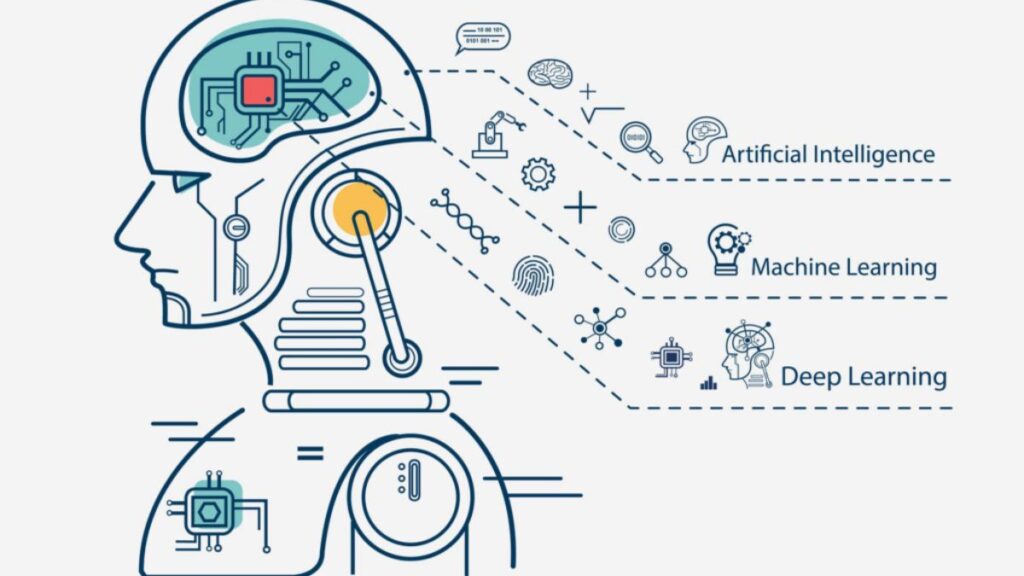
Artificial Intelligence (AI) plays an increasingly important role in the tools and platforms we use every day. But behind every impressive AI application lies a process that makes it all possible: model training. Training an AI model isn’t just about feeding it data, it involves strategy, precision, and the right infrastructure to ensure optimal performance.
In this article, you’ll discover how AI models are trained, what key phases the process includes, and why high-quality data is essential for success.
From raw data to smart predictions
At the core of every AI system is a model that has learned to make predictions, recognize patterns, or automate decisions. This learning process begins with data. Whether it’s text, images, speech, or numbers—data forms the foundation for any model’s capability.
During the AI model training process, the model identifies patterns by analyzing large amounts of labeled or structured data. Each input is used to adjust internal parameters (also called weights), helping the model learn which outputs are correct. With every iteration, the model becomes more accurate and reliable.
What are the steps in AI model training?
Training a model involves more than just data input. It’s a carefully staged workflow that includes:
– Data collection and preprocessing
– Choosing the right model architecture
– Training the model using a defined algorithm
– Evaluating performance with validation data
– Fine-tuning and retraining for accuracy
One often overlooked but critical step is preprocessing. Raw data is rarely perfect. It must be cleaned, normalized, and sometimes augmented to ensure the model doesn’t learn from noise or bias. Once the data is ready, the model’s architecture (like a neural network or decision tree) is selected based on the type of task.
Challenges that come with training
AI model training is not without its challenges. Factors like underfitting, overfitting, or limited data diversity can severely impact performance. Fortunately, modern tools and platforms now offer intelligent ways to automate much of the training and monitoring process.
For example, companies like AIminify offer scalable solutions for model training, helping businesses build custom AI without needing in-house machine learning experts. This speeds up development while maintaining quality.
Why data quality matters more than data quantity
It’s tempting to think that more data always leads to a better model. But the truth is, quality matters far more than quantity. A smaller dataset with accurate, representative examples can outperform a massive dataset filled with inconsistencies or bias.
To illustrate, imagine training a facial recognition model. Thousands of low-resolution or poorly lit images may teach the model very little. But a few hundred clear, diverse, well-annotated images can dramatically improve recognition rates.
Key elements of high-quality training data often include:
– Proper labeling with minimal ambiguity
– Representation of all relevant categories or scenarios
– Balanced samples to prevent model bias
– Consistent formatting and annotation
– Regular updates for evolving use cases
Investing in quality from the beginning not only boosts performance but also reduces the risk of costly retraining later on.
The road to smarter AI
Training an AI model is an ongoing process. As more data becomes available or user needs shift, retraining and updates become part of the model’s life cycle. The goal is always to align the model’s predictions as closely as possible with real-world expectations.
With the right strategy and tools, even complex AI solutions become achievable. Whether you’re a startup exploring automation or an enterprise streamlining workflows, understanding how AI learns is the first step to leveraging its full potential.