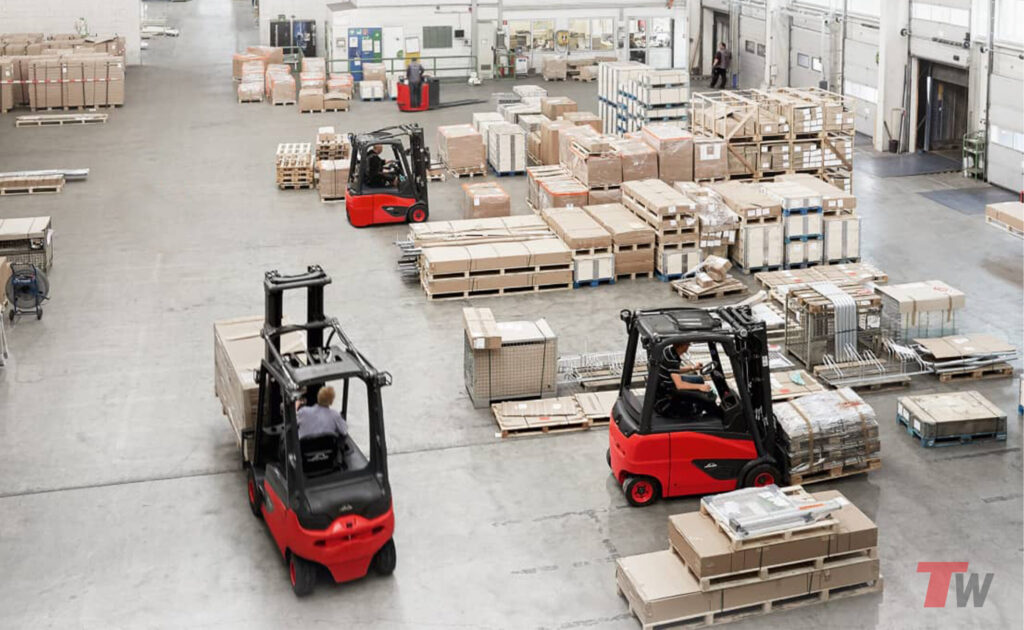
Forklifts are indispensable machines in warehouses, manufacturing plants, and construction sites worldwide. Their ability to lift, carry, and transport heavy loads makes them critical to efficient material handling. However, the smooth operation of a forklift depends on the condition and functionality of its numerous components. These forklift parts work together to ensure safety, efficiency, and longevity of the machine.
Whether you’re a business owner managing a fleet, an operator who uses forklifts daily, or a maintenance professional, understanding the key parts of a forklift and their roles can help you maintain and troubleshoot your equipment better.
This comprehensive guide covers the main forklift parts, how they function, common issues, and tips for maintenance and replacement.
The Core Components of Forklifts
A forklift is a complex machine made up of various parts designed to perform specific tasks. While models and brands vary, most forklifts consist of several core components:
1. Mast Assembly
The mast is the vertical structure at the front of the forklift responsible for raising and lowering the load. It includes:
- Lift Chains and Hydraulic Cylinders: These power the vertical movement of the forks.
- Carriage: A platform that holds the forks and can tilt or move the forks forward and backward.
- Tilt Cylinders: Allow the mast to tilt forward or backward to stabilize loads.
The mast’s proper functioning is vital for safe lifting and precise load placement.
2. Forks
The forks are the horizontal prongs that slide under loads to lift and transport them. They come in various sizes and shapes, depending on the type of load and forklift capacity.
- Standard Forks: Most common, used for palletized loads.
- Specialty Forks: Includes extensions, carpet poles, and sideshifters for specific tasks.
Proper inspection and replacement of worn or bent forks are crucial for safety.
3. Carriage
The carriage is mounted on the mast and supports the forks. It allows for movement such as side shifting or fork spreading, enhancing load handling flexibility.
4. Hydraulic System
The hydraulic system powers the lifting, tilting, and steering functions of the forklift. It includes:
- Hydraulic Pump: Pressurizes hydraulic fluid.
- Hydraulic Cylinders: Extend or retract to move the mast and forks.
- Control Valves: Regulate fluid flow to different parts.
Leaks or failures in the hydraulic system can severely affect forklift performance.
5. Power Source
Forklifts use various power sources depending on their design:
- Internal Combustion Engines (ICE): Gasoline, diesel, or propane-powered engines.
- Electric Motors: Powered by batteries, offering quieter operation and zero emissions indoors.
Each power source has unique maintenance needs and advantages.
6. Counterweight
Located at the rear of the forklift, the counterweight balances the load lifted by the forks, preventing the machine from tipping forward.
7. Operator Controls
These include the steering wheel, levers for mast and fork movement, pedals for acceleration and braking, and safety devices like horns and emergency stops.
Supporting Components and Accessories
Besides the core parts, several supporting components contribute to the efficient operation of a forklift:
1. Tires
Forklift tires vary depending on the surface and application:
- Pneumatic Tires: Air-filled, suitable for outdoor and rough terrain.
- Solid Tires: Durable, flat-free, ideal for indoor use on smooth floors.
Maintaining proper tire condition improves traction and stability.
2. Brakes
Forklifts use both service brakes for stopping during operation and parking brakes to hold the forklift in place when stationary.
3. Steering System
Most forklifts feature rear-wheel steering to enhance maneuverability in tight spaces.
4. Safety Equipment
Important safety parts include:
- Seat belts
- Overhead guards to protect from falling objects
- Load backrest extension to stabilize tall loads
- Warning lights and alarms
Common Issues with Forklift Parts
Understanding common problems can help diagnose and fix issues quickly, preventing costly downtime.
Mast and Fork Problems
- Bent or cracked forks due to overloading or impact.
- Mast chains stretching or breaking.
- Hydraulic leaks causing slow or uneven lifting.
Hydraulic System Failures
- Worn seals leading to fluid leaks.
- Faulty pumps reduce lifting power.
- Contaminated hydraulic fluid causing system damage.
Power Source Issues
- Battery problems like low charge or damaged cells in electric forklifts.
- Engine misfires or fuel system problems in combustion forklifts.
Tire Wear and Damage
- Worn tread reducing grip.
- Cuts or punctures causing instability.
Maintaining Your Forklift Parts for Longevity
Regular maintenance is key to extending the life of forklift components and ensuring safety.
Inspection
- Perform daily visual checks for leaks, cracks, and wear.
- Use a pre-operation checklist including brakes, forks, and tires.
Cleaning
- Keep parts clean from dirt, dust, and debris.
- Clean battery terminals and hydraulic connections regularly.
Lubrication
- Regularly lubricate mast chains, hinges, and joints.
- Use manufacturer-recommended lubricants.
Fluid Checks
- Monitor hydraulic fluid, engine oil, and coolant levels.
- Replace fluids at recommended intervals.
Professional Service
- Schedule routine inspections and repairs with certified technicians.
- Replace worn or damaged parts immediately.
Where to Source Quality Forklift Parts
Using high-quality parts ensures durability and safety. Options for sourcing forklift parts include:
- OEM Parts: Original Equipment Manufacturer parts guarantee compatibility and quality.
- Aftermarket Parts: Often less expensive but vary in quality; research suppliers carefully.
- Remanufactured Parts: Refurbished components that can offer cost savings.
Choosing reputable suppliers and verifying part specifications is essential to avoid downtime caused by faulty components.
Upgrading and Customizing Forklift Parts
Sometimes, upgrading or customizing parts can enhance performance and adapt the forklift to specific tasks.
Popular Upgrades:
- Fork Extensions: For handling oversized loads.
- Attachments: Such as clamps, rotators, or carpet poles.
- Tire Options: Switching between pneumatic and solid tires based on conditions.
- Enhanced Safety Features: Adding cameras, sensors, or better lighting.
Consult with experts to ensure compatibility and avoid voiding warranties.
The Importance of Keeping a Parts Inventory
For companies relying heavily on forklifts, maintaining an inventory of essential parts can reduce downtime. Commonly stocked parts include:
- Forks and chains
- Hydraulic seals and hoses
- Filters and fluids
- Tires and brake pads
Having these on hand allows for quick repairs and keeps operations running smoothly.
Final Thoughts
Forklifts are essential machines whose reliability hinges on the condition of their many parts. Regular inspection, proper maintenance, timely replacement, and sourcing quality forklift parts are critical steps to ensure safety, efficiency, and longevity.
By investing in understanding and caring for these components, operators and managers can minimize downtime, reduce repair costs, and maintain smooth operations day after day.