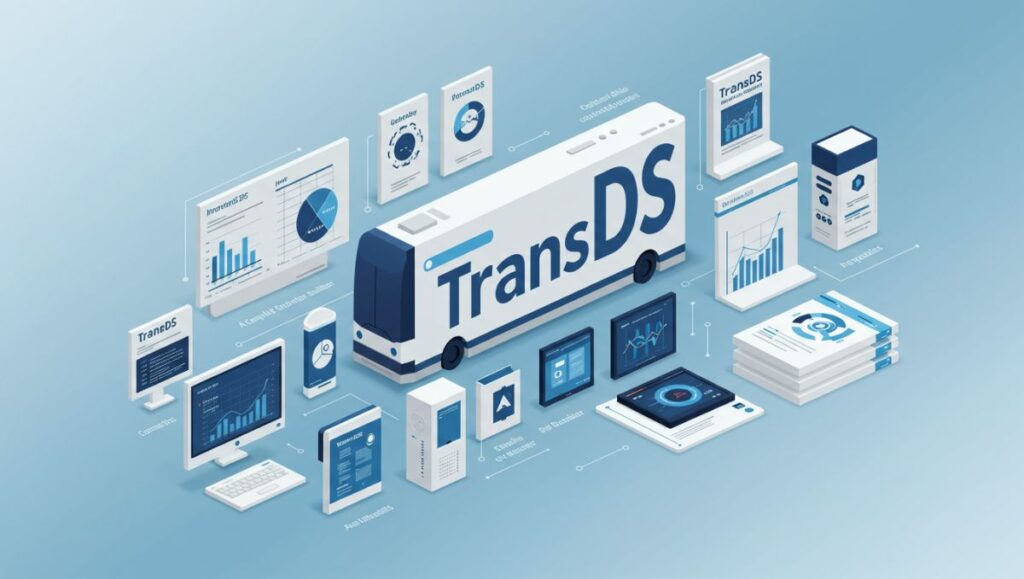
In an era where logistics and transportation demand real-time accuracy, efficiency, and adaptability, digital solutions are becoming indispensable. Among the emerging platforms leading this digital transformation is TransDS, a system designed to streamline transportation data, logistics management, and system integration.
This article provides an in-depth look at TransDS—what it is, how it works, its features, and how it’s transforming industries that rely on transportation, delivery, or freight services.
What is TransDS?
TransDS stands for Transportation Digital Solution (or similar interpretations depending on the provider). It is a digital platform or system that enables logistics and transportation companies to manage, track, and optimize the movement of goods and vehicles.
Whether it’s a logistics fleet, public transportation network, or delivery-based business, TransDS provides centralized tools to handle operations more effectively.
Core Functions of TransDS:
-
Real-time vehicle and cargo tracking
-
Route optimization and planning
-
Automated scheduling and dispatch
-
Data analytics for performance insights
-
Integration with other logistics systems (ERP, CRM, etc.)
The goal is to digitize and automate the most critical aspects of transportation management.
Key Features of TransDS
A robust TransDS platform typically includes a wide range of features aimed at improving logistics workflows. Here are some core functionalities:
1. Real-Time Tracking
Using GPS and IoT integrations, TransDS allows businesses to track vehicle locations, cargo status, and delivery progress in real time.
2. Route Optimization
TransDS algorithms analyze traffic, delivery schedules, and fuel efficiency to suggest the fastest and most cost-effective routes.
3. Dispatch Automation
Assign tasks automatically based on availability, proximity, and delivery urgency—reducing human error and delays.
4. Data Reporting & Analytics
Access detailed reports on driver performance, fuel consumption, delivery times, and customer satisfaction through built-in dashboards.
5. Fleet Management
Monitor vehicle health, maintenance schedules, and driver logs to extend fleet longevity and reduce breakdowns.
How TransDS Works
TransDS functions as a cloud-based or hybrid platform that connects vehicles, operations teams, and clients through a centralized dashboard. Here’s a simplified workflow:
-
Data Input
Transportation orders, vehicle data, and driver schedules are entered into the system. -
System Analysis
TransDS uses AI or rule-based logic to generate optimal routes and schedules. -
Task Allocation
Dispatch instructions are sent to drivers or delivery agents via mobile apps. -
Live Monitoring
Managers track all activity in real time and can intervene if needed. -
Feedback Loop
Post-delivery, the system records feedback, delivery confirmation, and performance metrics.
This structured approach ensures transparency, efficiency, and better resource utilization.
Industries That Benefit from TransDS
1. Logistics & Freight Companies
Optimize multi-location deliveries and cross-country transport with centralized scheduling and route planning.
2. E-Commerce & Retail
Manage last-mile delivery, warehouse dispatch, and real-time tracking of customer shipments.
3. Public Transportation
Monitor buses, schedule trips, and ensure timely arrivals/departures across routes.
4. Healthcare & Pharmaceuticals
Track cold-chain logistics and sensitive medical deliveries with temperature and time monitoring.
5. Food Delivery & Courier Services
Enhance driver coordination, reduce delivery time, and improve customer satisfaction.
Advantages of Using TransDS
1. Improved Operational Efficiency
Automating routing and dispatch reduces time and manual input, resulting in quicker deliveries and fewer delays.
2. Cost Savings
Route optimization and vehicle monitoring help reduce fuel costs and maintenance expenses.
3. Better Customer Experience
Real-time tracking and accurate ETAs improve transparency and satisfaction.
4. Enhanced Scalability
As your business grows, TransDS can handle more vehicles, locations, and delivery orders without needing more manual resources.
5. Integration-Friendly
Most TransDS platforms can be integrated with CRM, ERP, and inventory management tools, allowing for seamless business operations.
Challenges and Considerations
Though TransDS offers numerous benefits, there are some challenges to consider before implementation.
1. Initial Setup Costs
While cloud-based options reduce hardware costs, setup and integration still require investment.
2. Staff Training
Employees and drivers must adapt to new digital workflows, which may need training and support.
3. Data Privacy and Security
Trans DS systems handle sensitive data. Ensuring data encryption, compliance, and cybersecurity measures is essential.
4. System Downtime
As with any digital platform, occasional technical issues or server downtime could disrupt operations temporarily.
Popular TransDS Platforms and Solutions
While “TransDS” may refer to a specific brand or custom system, many vendors offer similar transportation digital solutions. Examples include:
-
Transporeon – for freight visibility and logistics automation
-
Fleet Complete – GPS tracking and fleet optimization
-
Project44 – real-time transportation visibility for shippers and carriers
-
SAP Transportation Management – part of SAP’s logistics suite
-
Geotab – telematics-focused fleet tracking
Depending on business size, industry, and goals, TransDS can be custom-built or adopted as a third-party service.
The Role of AI and IoT in TransDS
Modern Trans DS platforms integrate AI and IoT technologies to offer smart automation and predictive capabilities.
AI Enhancements:
-
Predictive maintenance alerts
-
Smart route changes based on real-time data
-
Delivery time estimations
-
Driver behavior analysis
IoT Applications:
-
Vehicle sensors for fuel and temperature monitoring
-
Cargo sensors for load tracking
-
GPS for real-time geofencing and alerts
These integrations make Trans DS systems smarter and more proactive in managing transport networks.
Future of TransDS in the Transportation Industry
As logistics becomes more complex and customer expectations rise, TransDS will continue to evolve.
Cloud-Based Expansion
More companies will adopt SaaS-based Trans DS for easy scalability and cost-efficiency.
Autonomous Vehicle Integration
TransDS will integrate with autonomous trucks and delivery bots for futuristic fleet management.
Advanced Analytics
Expect AI-driven forecasting tools for demand prediction, delivery time optimization, and resource allocation.
Blockchain for Transparency
Blockchain may be integrated for secure and verifiable tracking of cargo and documentation in Trans-DS platforms.
Conclusion
If your business relies on transportation, delivery, or logistics in any form, TransDS could be a game-changer. By automating core processes, improving data visibility, and optimizing operations, TransDS empowers organizations to move faster, smarter, and more efficiently.
Whether you’re managing a local delivery service or a national fleet, investing in a system like TransDS can significantly enhance productivity, reduce costs, and elevate customer satisfaction.