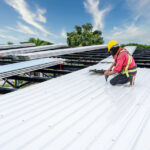
Maintaining the integrity of your commercial building’s roof is essential not only for protecting your property but also for ensuring the safety of everyone inside. When issues arise, it is crucial to address them promptly to prevent costly and disruptive damage. By understanding the initial warning signs, you can take proactive steps to safeguard your investment and avoid more extensive repairs in the future. For those in Missouri, connecting with commercial roof repairs St Louis County MO experts can help identify and resolve issues before they become emergencies.
Whether you own a flat, low-slope, or sloped roof structure, regular maintenance and vigilance help catch potential problems before they escalate. From visible water stains to more subtle signs like rising energy bills, recognizing the indications of roof damage early can make a significant difference in managing repair costs. Routine checks can also ensure compliance with building codes and maintain your property’s value.
Every commercial building has unique roofing needs based on the age of the structure, the type of materials used, and the local climate. Therefore, knowing exactly what to watch for empowers property managers and owners to act quickly and prevent minor issues from escalating. Early action is often the key to preserving the roof’s longevity and the safety of building occupants.
Failing to recognize or address these critical warning signs can lead to water intrusion, mold growth, and even compromised structural integrity. Regular professional inspections are invaluable in extending the serviceable life of your commercial roof.
Interior Water Stains and Leaks
Water stains on ceilings or walls inside your commercial building are a clear indication that moisture has penetrated the roof. These stains may be yellow, brown, or even dark, and are often accompanied by a musty odor. Leaks can lead to mold growth, electrical hazards, and the degradation of interior finishes. Small leaks may seem insignificant, but they often signal more serious problems within the roofing system and should be addressed promptly to prevent escalation.
Ponding Water on the Roof
Commercial properties frequently feature flat or low-slope roofs, which require effective drainage to prevent standing water. Ponding water that persists for more than 48 hours after rainfall is a major warning sign of a drainage blockage, an improper slope, or deteriorating roofing materials. Over time, standing water adds unnecessary weight to the structure and accelerates the breakdown of the roof membrane.
Visible Damage to Roofing Materials
Visual inspections often reveal cracks, punctures, or tears in the roofing membrane caused by heavy foot traffic, falling debris, or harsh weather. Flashing that is bent or pulled up, loose shingles, or missing granules can also indicate compromise. These breaches create easy points for water infiltration, degrading insulation, and leading to recurring leaks and weakened structural supports. Promptly repairing minor damage prevents more widespread roof failure.
Bubbling or Blistering on Roof Surface
Bubbles or blisters occur when air or moisture gets trapped under the roof’s membrane or within its layers. This typically occurs due to improper installation or poor ventilation and indicates that the waterproofing is weakened. Left untreated, blisters tend to break open, allowing moisture to penetrate the roof system and promote rot or mold. Annual or seasonal roof checks help spot and address these conditions before they grow worse.
Increased Energy Bills
If your building’s utility bills have surged without a clear explanation, the culprit may be a failing roof. Damaged roofing material or compromised insulation allows conditioned air to escape and exterior air to enter, forcing HVAC systems to work overtime to control indoor climate. Restoring the roof’s integrity can reduce energy consumption, cut costs, and improve occupant comfort.
Mold, Moss, or Mildew Growth
Excessive moisture retention encourages the growth of mold, moss, and mildew on your commercial roof. These growths can quickly spread, breaking down roofing materials and creating slippery, hazardous surfaces. In addition to the risks of allergens, spores, and respiratory issues for building users, unchecked biological growth can damage the roof structure. Improving drainage and promptly repairing leaks are essential steps in controlling these threats.
Sagging or Structural Deformations
Sagging or misshapen areas on your roof may indicate deeper structural issues, such as a weakened deck, framing problems, or excessive water weight. These deformations undermine the roof’s ability to protect the building and may signal an imminent collapse if not investigated immediately. Immediate professional evaluation is recommended to safeguard the building and everyone inside.
Age of the Roof
Even the best-built commercial roofs have a limited service life, typically 20 to 30 years, depending on the materials and level of maintenance. As the roof nears or surpasses this age range, susceptibility to leaks, structural weaknesses, and material breakdown increases. Regular professional assessments can help determine whether repairs or a complete replacement is the most cost-effective option to ensure your building remains secure.
Conclusion
Recognizing and quickly addressing these warning signs will help prevent minor repairs from escalating into major roof failures. Ongoing professional inspections, rapid response to problems, and diligent maintenance ensure the safety of your investment and the well-being of everyone in your commercial building.