
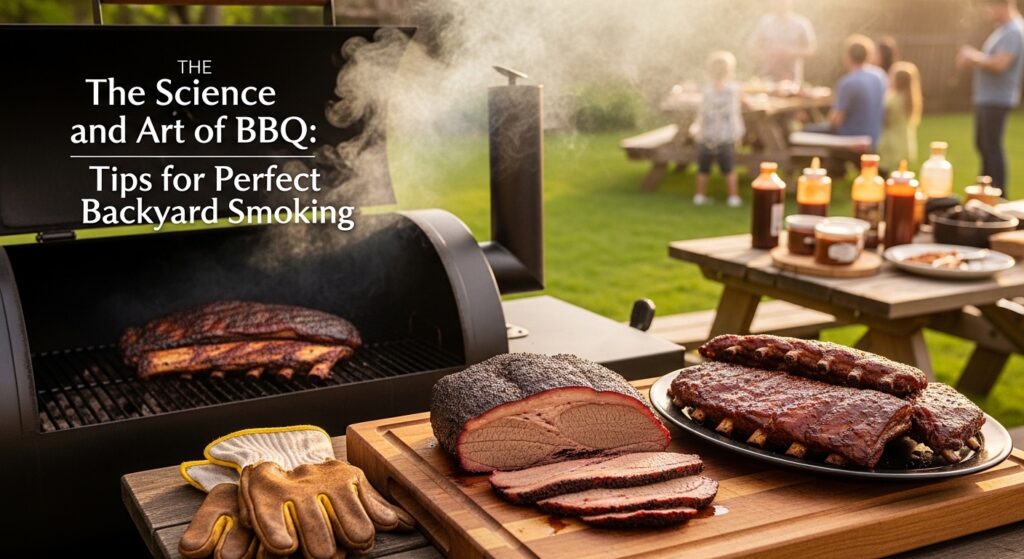
Barbecuing is both a science and an art, transforming simple cuts of meat into unforgettable family meals through careful technique and a bit of creative flair. A backyard smoker, when used properly, can yield flavors and textures beyond traditional grilling. For those aiming to up their barbecue game, understanding the principles behind BBQ can make all the difference. Fans looking for inspiration or their next barbecue spot should check out https://brothers-bbq.com/ for mouthwatering ideas and menu options.
Whether you are aiming to master the perfect brisket or preparing tender ribs, real barbecue combines the right equipment, seasoning, wood, and, above all, patience. Selecting the right ingredients and mastering techniques can produce consistently delicious results in your own backyard.
The Chemistry Behind Smoking Meat
The heart of great barbecue is found in the chemistry of the cooking process. The Maillard reaction, which occurs when protein and sugar molecules in meat react to heat, is responsible for the savory brown crust and complex flavors that define memorable BBQ. Another critical process is the slow breakdown of collagen, a tough, connective tissue protein. When smoked slowly at low temperatures, collagen breaks down into gelatin, giving the meat tenderness and juiciness. Maintaining proper heat over an extended time is key to effective collagen melting and full flavor development.
The combustion of the wood itself also plays a role, releasing compounds that enhance the meat’s flavor. Understanding and monitoring these processes can take your barbecue from good to championship level.
Essential Equipment and Tools
Consistency is vital for impressive barbecue, and investing in the right equipment will help. A quality smoker that offers reliable temperature control is the cornerstone of the backyard pitmaster’s setup. High-quality, long-handled tongs and heat-resistant gloves help you handle food safely, while accurate thermometers ensure meat is cooked to the ideal temperature. Cleanliness is equally crucial, so opt for a flat, oiled metal scraper or aluminum foil rather than bristle brushes, which can shed fibers into food.
Prepare your workspace by organizing your seasonings, rubs, and tools before you start smoking. This will help streamline the process and minimize interruptions. Additionally, create a safe cooking area away from structures and ensure adequate ventilation to ensure a safe and enjoyable experience.
Choosing the Right Wood
The wood you select for smoking gives your barbecue its signature aroma and flavor. Hardwoods like oak, hickory, and apple impart distinct flavor notes to different meats. Hickory complements beef with a bold, smoky kick, while applewood works well with chicken and pork for a sweeter finish. Soak wood chips in water for approximately 30 minutes before adding them to the smoker. This produces a gentle, steady smoke that penetrates the meat more effectively without overwhelming it or causing flare-ups.
Blending different woods can result in unique flavor profiles. For example, mixing a small amount of mesquite with oak can create a robust base complemented by a subtle sweetness. Always match the wood to the type and thickness of your meat for optimal results.
Managing Temperature and Smoke
Temperature regulation is one of the most important aspects of barbecue. Most smoked meats are best cooked between 225°F and 250°F. Staying in this range ensures gradual cooking, so collagen transforms into tender gelatin without drying the meat. Use both direct and indirect heat zones for versatility, adjusting the smoker vents to fine-tune both airflow and heat levels. Dampers let you raise or lower oxygen flow, adjusting the burn rate of your wood and thus the smoke intensity.
Avoid over-smoking by ensuring a thin, blue smoke rather than thick, billowing clouds. Too much smoke can impart bitterness and overpower the meat’s natural flavor. Consistent check-ins with a thermometer will help you avoid undercooking or overcooking your protein.
Preparation and Seasoning
The flavor journey for great barbecue begins before the meat ever hits the smoker. Marinating or dry-brining the meat adds layers of flavor and helps tenderize tougher cuts. Classic barbecue rubs use a blend of salt, sugar, paprika, black pepper, and other spices to complement the smokiness, but you can experiment to find a mix that suits your palate.
Once seasoned, let your meat rest for a while before putting it in the smoker. This time allows flavors to penetrate and moisture to distribute evenly, setting the stage for a juicy final product. Patience with preparation makes for fewer surprises when the smoking is done.
Patience and Practice
Smoking is not a fast process; it rewards those willing to wait. Every piece of meat cooks at a slightly different pace based on thickness, fat content, and environmental factors. Regularly check the internal temperature using a high-quality meat thermometer to ensure you hit the right mark for safety and taste.
Expect occasional learning experiences, and remember that every great pitmaster has improved through trial and error. Take notes and adjust your methods with each cook. Over time, your patience will pay off with consistently delicious barbecue.
Safety Considerations
Safety is essential any time you light a fire or handle hot equipment. Position your smoker in an open, well-ventilated area, safely away from buildings and flammable materials. Always use heat-resistant gloves when adjusting your smoker or handling hot trays. Keep a fire extinguisher within reach, and regularly remove grease buildup from your smoker to prevent accidental flare-ups.
Strict attention to safety keeps your barbecue sessions enjoyable and ensures everyone comes back for seconds.
Conclusion
Achieving barbecue perfection blends scientific understanding with artisanal skill. By paying close attention to technique, equipment, wood selection, temperature management, and safety, anyone can turn out smoked meats that impress every time. Embrace the process, experiment with flavor, and let barbecue become a highlight of your backyard gatherings.