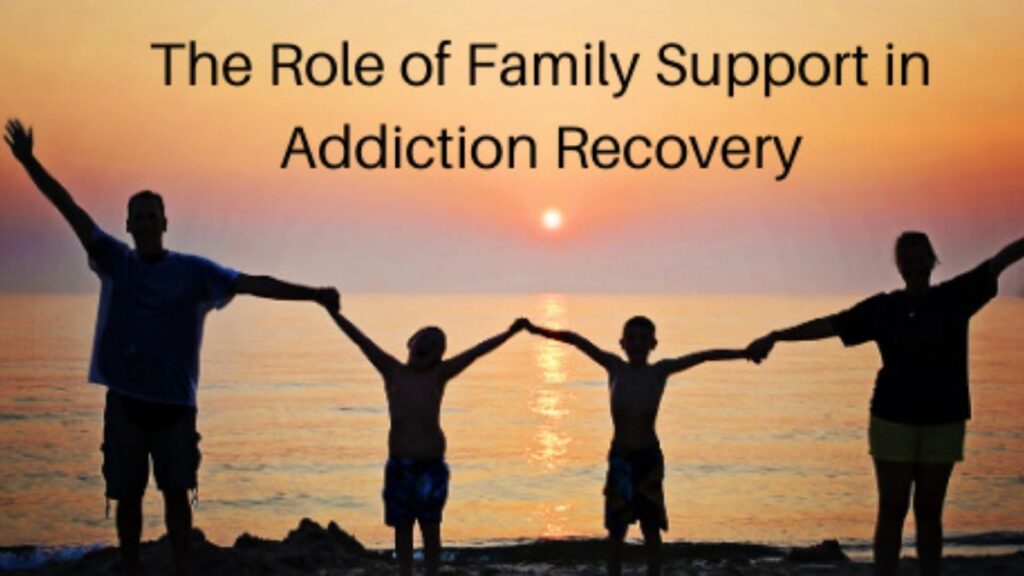
Addiction rarely affects one person alone. It impacts relationships, trust, communication, and emotional stability across an entire household. When someone begins their journey toward healing, the family’s involvement can make a powerful difference in long-term success.
Research consistently shows that individuals who receive strong addiction recovery support from loved ones are more likely to stay engaged in treatment, maintain motivation, and avoid relapse.
But supporting someone through recovery isn’t always intuitive.
Families may feel overwhelmed, unsure of what to say, or afraid of making mistakes. That’s where structured guidance, education, and therapeutic support become essential. Understanding your role doesn’t just help your loved one heal; it strengthens the foundation for healthier family relationships in the future.
The Emotional Journey of the Family
The family of a person with an addiction may have an emotional burden as well when that person struggles to cope with their addiction, fear, confusion, resentment, guilt, or complete exhaustion. It is significant to be able to identify these feelings. Families gain advantages when they are taught to analyze the impact of addiction on the brain, the therapeutic process, and their role in the recovery process without egging on the wrong side.
This emotional awareness commences in family therapy of addiction, whereby loved ones get to learn about:
- Set healthy boundaries
- Communicate needs clearly
- Express emotions safely
- Address past trauma
- Assistance responsibility as opposed to control.
In family therapy, it is not about blame. It is about restoring relationships that can sustain long-term recovery.
Reorganizing Relationships using Family Therapy to Addiction
Structured family therapy for addiction is one of the best methods of healing the system. This clinical method recognizes that family communication style, functions, and emotional boundaries are the core of the individual environment.
Family therapy is not aimed at blaming, but to find out and modify dysfunctional patterns that might have appeared to manage the addiction. Some of these patterns will be:
- Enabling: Accidentally joining the individual to the natural results of their actions.
- Codependency: Overdependence of the relationship whereby an individual feels in charge of the emotions and behaviors of the other.
- Weak Boundaries: There is no clear demarcation between family members, leading to bitterness and emotional exhaustion.
The evidence-based models of family therapy, including multidimensional family therapy (MDFT) or cognitive behavioural therapy (CBT) integrated sessions, are applied in the specialized treatment centres like Beverly Hills rehab center that work to help all people communicate straightforwardly and constructively. They instruct families to establish firm, healthy boundaries that help the loved one gain independence and personal responsibility, which are key components of sustainable sobriety.
The Role of Families in Delivering Addiction Recovery Support
Each family’s situation is unique; nonetheless, there are universal ways to support a loved one in treatment and beyond.
- Educate yourself about addiction.
Knowing the science of addiction may turn the blame game into the compassion game. Addiction is a health disorder and not a character defect, and the understanding of triggers, brain chemistry, and relapse cycles aids families in offering informed care.
- Attend Therapy and Workshops.
Family sessions and workshops enable those involved to develop coping mechanisms, improve communication, and gain insight into what the recovery process actually looks like.
- Encourage Healthy Routines
Motivating structure, sleep, nutrition, exercise, and accountability provide a consistent foundation for sustainable change.
- Be Patient and Empathic.
Recovery is not linear. It might include some setbacks, high and low moments, or unpleasant dialogues. Being patient and compassionate goes a long way toward helping someone remain motivated.
- Avoid Enabling Behaviors
It is natural that families, to some extent, support harmful patterns without realizing it. Therapy is essential in determining when actions are facilitating and offering alternatives that build responsibility and autonomy.
- Support Mental Health Treatment.
Mental health issues and addiction tend to be similar. Promotion of continuous mental health care, like counselling, medication or holism, assists in dealing with underlying challenges that may lead to substance use.
The Strength of the Group-Based Healing
In addition to family sessions, most treatment programs provide loved ones with the opportunity to attend group therapy and learn from and support one another. This experience is so grounding. It assures families that they are not alone in difficult times and provides them with useful resources that have helped other families in similar situations.
Group-based environments usually provide:
- Hope with society bonding.
- Personal view on challenges of recovery.
- Joint resilience-building strategies.
- Support in times of distress.
Family healing is not an individual process- and that is what group programming helps to affirm.
Practical Skills: Communication and Boundaries
Recovery is often described as a journey of relapse prevention, and family members are on the front lines. To navigate this reality, they need tools just as much as the individual in treatment does.
A vital part of family support in addiction recovery involves educating loved ones on key behavioral skills:
- Setting Boundaries: Learning the difference between support and enabling. This often means saying “no” to financially supporting substance use while always saying “yes” to supporting the recovery process.
- Non-Judgmental Communication: Practicing ‘I’ statements and active listening to reduce conflict and increase trust, especially during times of high stress or temptation.
- Self-Care: The family’s recovery is paramount. If caregivers are burnt out or emotionally fragile, they cannot provide stable support. This is where outside resources like peer support groups become crucial. Many facilities encourage family members to participate in concurrent therapeutic activities, such as group therapy sessions designed specifically for partners and parents of those in treatment.
Life After Treatment: Staying Connected and Strong
The end of formal treatment isn’t the end of recovery—it’s a transition into a new phase. Family involvement remains critical during this time.
What helps most?
- Attending follow-up therapy sessions
- Staying connected with support groups
- Reinforcing healthy boundaries and routines
- Encouraging continued mental health treatment
- Celebrating progress, big or small
The most successful long-term recovery journeys are those supported by an engaged, understanding, and well-informed family unit.
Final Thoughts: Recovery Is a Family Journey
Addiction recovery is not just about breaking old patterns, it’s about creating new ones grounded in safety and understanding. Families play an essential role, not by carrying the burden alone, but by learning how to walk alongside their loved one more healthily.
Through compassionate involvement, structured therapy, and supportive treatment, families help create the conditions for long-term sobriety. Whether through addiction recovery support, active family therapy for addiction, or participating in group therapy, loved ones become key partners in this transformative journey.