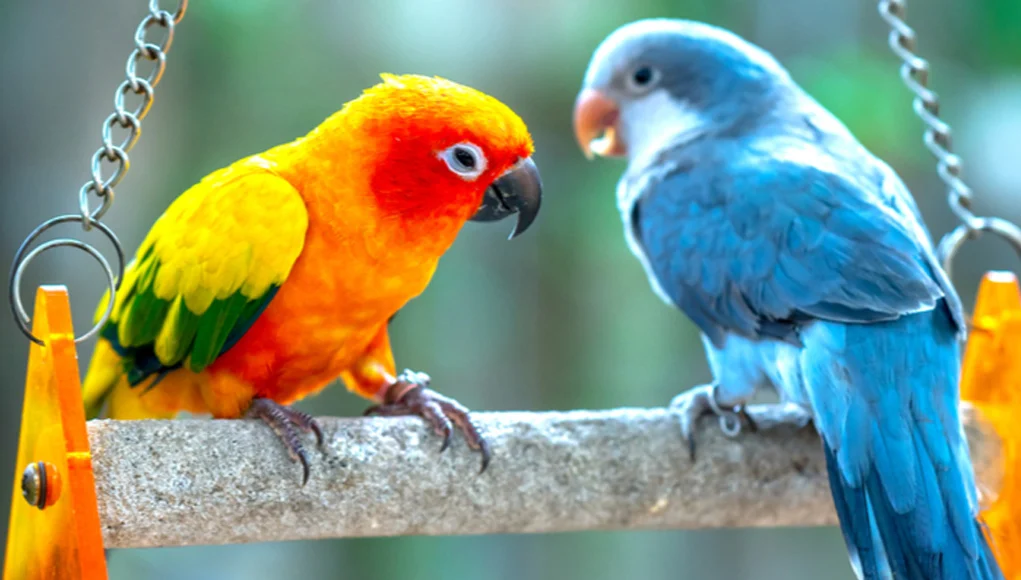
Parrots are among the most captivating creatures on Earth. Their vivid feathers, intelligence, and ability to mimic speech make them irresistible to animal lovers and design enthusiasts alike. But behind the beauty lies a truth many owners only discover once it’s too late – parrots are demanding, emotional beings that require lifelong care and commitment.
Owning one isn’t simply about enjoying colour and conversation. It’s about meeting the needs of a highly intelligent, socially complex animal that evolved for the skies, not the lounge room.
Why We’re Drawn to Parrots
There’s no denying the appeal. A parrot’s plumage looks like living art, and their curiosity gives them personality in spades. They respond to their environment, recognise faces, and sometimes even invent new sounds to communicate.
But parrots don’t just decorate a space – they dominate it. Their calls carry, their attention demands interaction, and their mental stimulation must be constant. Without enough engagement, these birds can develop stress behaviours such as screaming, aggression, or feather plucking.
In short, the same traits that make parrots fascinating also make them challenging to keep healthy and content.
Intelligence Comes With Responsibility
Parrots are cognitively similar to young children. They understand tone, form emotional bonds, and can learn hundreds of words or sounds. That intelligence, however, means they get bored easily. A lack of social contact or environmental enrichment can lead to anxiety or self-destructive habits.
A responsible owner recognises that parrots need time, attention, and structure every day. Their diet must be varied and fresh, with opportunities to forage and chew. Their housing should allow flight or ample movement, and their emotional wellbeing needs to be nurtured through companionship and interaction.
It’s a long-term commitment measured not in months or years, but in decades.
Beauty and Ethics
Too often, people buy parrots for their looks or novelty without understanding their lifespan – many species live 40 to 60 years, some even longer. These birds outlive relationships, jobs, and sometimes their owners.
In design and lifestyle spaces, we talk about sustainable choices and ethical consumption. The same principles apply to pet ownership. True beauty lies in respect and balance, not possession. A parrot’s colour and charisma are part of nature’s design – one that must be honoured through ethical and responsible parrot ownership.
The Creative Side of Care
Keeping a parrot can be deeply rewarding for those who approach it with patience and empathy. Providing climbing frames, puzzle feeders, or safe outdoor aviaries allows them to express their natural instincts. Many owners find joy in designing these environments, treating enrichment as both art and care.
For those willing to invest the time, the connection that develops is profound. Parrots recognise people, respond to routines, and can even share moods. But they also hold us accountable for consistency and compassion.
A Commitment Worth Making
Parrots challenge us to see beauty differently – not as something to own, but something to care for. Their brilliance and behaviour mirror our own capacity for empathy and routine.
Owning one is not a hobby; it’s a promise. With the right understanding, a parrot can become a lifelong companion and a reminder that true responsibility is a creative act in itself.