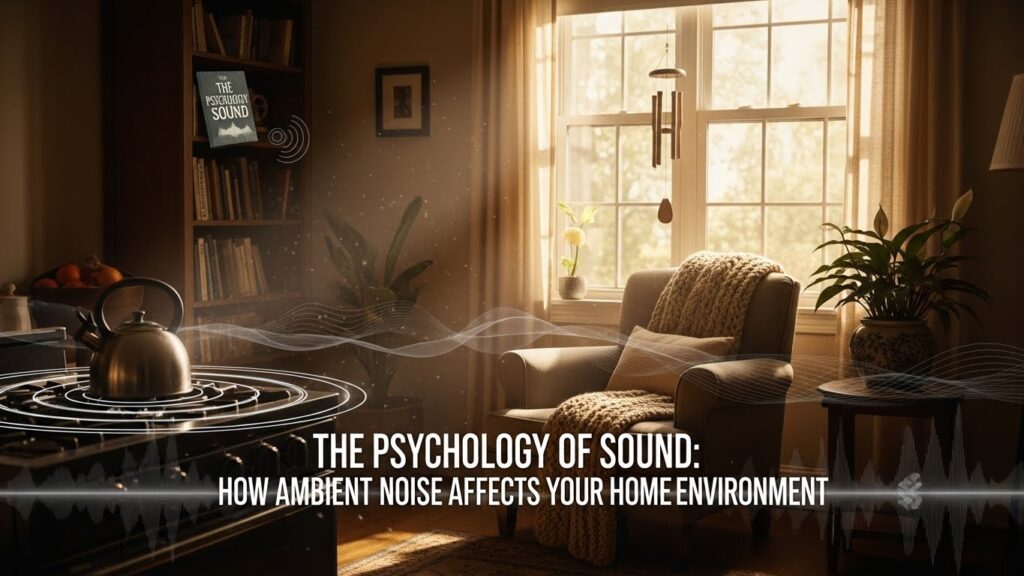
Your home environment is shaped by far more than just what you can see. The soundscape of your living space—from the hum of appliances to the rustle of wind through open windows—profoundly influences your mood, productivity, and overall sense of well-being. Understanding how background noise affects us psychologically can help you create a more comfortable house that truly feels like a sanctuary.
The Science Behind Sound and Emotion
Our brains are constantly processing auditory information, even when we’re not consciously paying attention. Research in environmental psychology has shown that sounds trigger emotional responses through both learned associations and innate reactions. A crackling fireplace might evoke feelings of warmth and safety, while the screech of car brakes outside creates instant tension. This happens because our auditory cortex is deeply connected to the limbic system, the part of our brain responsible for emotional processing.
The concept of “soundscape ecology” suggests that the collection of sounds in any environment creates a unique acoustic signature that affects how we experience that space. In your home, this soundscape is constantly influencing your stress levels, focus, and emotional state, whether you realize it or not.
The Problem with Modern Silence
Interestingly, complete silence isn’t always the goal. Many people find absolute quiet unsettling or even anxiety-inducing. This phenomenon, sometimes called “silence anxiety,” occurs because our brains are accustomed to processing ambient information. When that information disappears entirely, some people experience a heightened sense of alertness or unease, as if something is missing or wrong.
Modern homes, with their excellent insulation and sound-dampening materials, can sometimes feel too quiet—sterile even. This is partly why background noise has become such a popular topic in wellness circles. The right ambient sounds can make a space feel lived-in, warm, and psychologically comfortable.
White Noise, Pink Noise, and Beyond
Different types of background noise affect us in distinct ways. White noise contains all frequencies at equal intensity, creating a steady “shhhh” sound that can mask disruptive noises and aid concentration. Pink noise, which emphasizes lower frequencies, sounds more natural—like rainfall or ocean waves—and research suggests it may improve sleep quality and memory consolidation.
Brown noise goes even deeper into the bass frequencies, creating a rumbling quality that some people find deeply soothing. Then there are the specific nature sounds: birdsong, flowing water, wind through trees. These biophilic sounds—those that connect us to the natural world—tend to reduce stress and promote relaxation more effectively than mechanical sounds.
However, not all beneficial home sounds come from nature. Some of the most psychologically comforting sounds in a home environment are actually those associated with human activity and traditional domestic life.
The Comfort of Familiar, Rhythmic Sounds
Rhythmic, predictable sounds can create a sense of order and continuity in our living spaces. The gentle tick-tock of a clock, for instance, provides a subtle auditory anchor that many people find reassuring. This is why the mechanical sounds of traditional timepieces—the steady pendulum swing, the hourly chime—have remained beloved even in our digital age.
There’s something deeply comforting about these measured, melodic sounds. They remind us of childhood homes, of grandparents’ houses, of a time when life moved at a more deliberate pace. Mechanical cuckoo clocks, with their distinctive calls marking the passage of hours, create a rhythmic structure to the day that many people find grounding. The anticipation of the hourly announcement, the familiar melody, the charming emergence of the carved bird—these become small moments of delight woven into daily life.
Research on “ambient auditory stimulation” suggests that gentle, intermittent sounds can actually improve focus and creativity by providing just enough sensory input to keep the mind engaged without causing distraction. The key is that these sounds must be pleasant, predictable, and not too frequent.
Problematic Sounds in Home Environments
Not all background noise serves us well. Certain sounds have been shown to increase stress hormones and reduce cognitive performance. These include:
Unpredictable mechanical noises: The irregular hum of a malfunctioning appliance or the random beeping of electronics create low-level anxiety because our brains can’t habituate to irregular patterns.
High-frequency sounds: Whistling pipes, electrical buzzes, or squeaky floorboards tend to be particularly irritating because high frequencies naturally signal potential danger to our brains.
Bass frequencies from external sources: Low-frequency rumbling from traffic, construction, or neighbors’ subwoofers is especially problematic because bass travels through walls easily and can be physically felt, creating a sense of intrusion.
Digital notification sounds: The constant pings, dings, and chimes from devices fragment our attention and create a state of perpetual partial attention that’s exhausting over time.
Creating Your Ideal Home Soundscape
Designing a psychologically comfortable house means being intentional about the sounds you allow into your space. Here are evidence-based strategies:
Introduce natural sound elements: Opening windows during pleasant weather, adding a small indoor fountain, or incorporating wind chimes (placed thoughtfully so they’re pleasant rather than constant) can bring soothing natural sounds indoors.
Address irritating sounds: Identify and fix squeaks, rattles, and mechanical problems. Sometimes a small repair eliminates a source of ongoing low-level stress you didn’t even realize was affecting you.
Use sound masking strategically: In home offices or bedrooms near noisy streets, a white noise machine or fan can mask disruptive external sounds without creating new disturbances.
Embrace pleasant functional sounds: Rather than trying to silence everything, consider which household sounds you actually enjoy. The percolation of a coffee maker, the settling of a house at night, the rustle of curtains—these can all contribute to a sense of home.
Create sound zones: Different rooms can have different acoustic characters. Your bedroom might be as quiet as possible, while your living room incorporates more ambient sound and activity.
The Role of Music and Intentional Sound
While this article has focused primarily on ambient and incidental sounds, it’s worth noting that intentional sound choices—like playing music or nature recordings—also significantly impact your home environment. The key difference is control: chosen sounds generally feel positive while imposed sounds can create stress.
Consider creating audio “playlists” for different activities and times of day. Morning sounds might be bright and energizing, while evening sounds could be softer and more contemplative. Having this kind of intentional control over your soundscape gives you agency over your environment, which itself has psychological benefits.
Listening to Your Space
Perhaps the most important step in optimizing your home’s soundscape is simply becoming aware of it. Spend a few minutes in each room of your home with your eyes closed, just listening. What do you hear? How does it make you feel? Are there sounds you’d eliminated or changed if you could?
This kind of mindful listening can reveal sources of stress you’ve been unconsciously tolerating or pleasant sounds you’ve been taking for granted. Once you become attuned to your acoustic environment, you can make intentional changes that significantly improve your daily experience of home.
Your home should be a refuge, and sound plays a crucial role in creating that sense of sanctuary. By understanding how background noise affects your psychological state and making thoughtful choices about your acoustic environment, you can create a space that not only looks beautiful but feels truly comfortable and nurturing. After all, a house becomes a home not just through what we see and touch, but through what we hear as well.