Introducing children to the journey of becoming president can spark their curiosity about history, leadership, and civic engagement. Through the creative blend of storytelling and art, educators can make complex ideas accessible, helping young learners visualize the presidential path and imagine themselves as future leaders. Storytelling turns abstract concepts into relatable lessons, while artistic activities reinforce understanding through creativity and participation. This multidisciplinary approach not only makes learning history enjoyable but also nurtures critical thinking, empathy, and responsibility. To explore how these themes come to life in stories, visit how to become president children’s book. By engaging with narratives that highlight perseverance, teamwork, and moral decision-making, children gain a deeper appreciation for the values that shape effective leaders. Such stories also encourage discussions about fairness, integrity, and the importance of serving others. Ultimately, they inspire young readers to dream big and recognize their own potential to make a positive difference in their communities.
The Role of Storytelling in Education
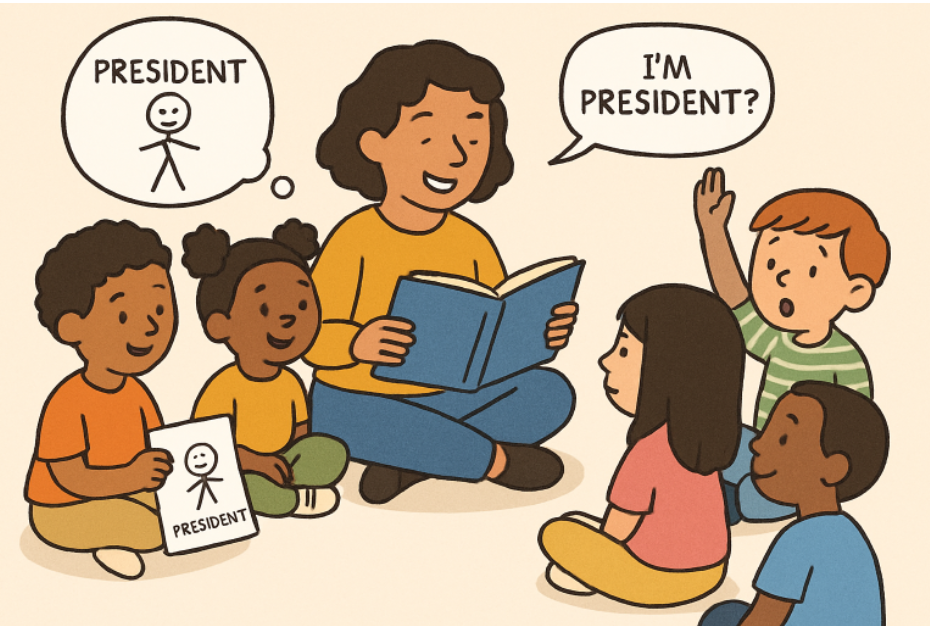
For centuries, storytelling has served as the backbone of impactful education. It harnesses the imagination, making even the most complicated events or ideas tangible and relatable for young minds. Through story, characters become familiar, problems become solvable, and even the concept of running for president feels achievable. The National Geographic Society notes that stories create emotional resonance, which is vital for children’s memory and engagement. Including stories about both historical and fictional presidential races helps children visualize diverse paths to leadership and see themselves in those stories.
 Integrating Art to Enhance Understanding
Art complements the narrative process by allowing children to represent what they have learned with images and hands-on creations. Not every child learns most effectively through listening—some grasp concepts through seeing and creating. When students illustrate campaign posters or make comic strips about a candidate’s journey, they build connections between historical facts and their own lives. The National Storytelling Network highlights that art and storytelling together nurture critical thinking and help young students translate concepts into their own language.
Interactive Activities to Teach Presidential Elections
Hands-on activities make the process of making a president tangible for young learners. Hosting mock debates, holding class elections, and designing campaign materials let children “walk in the shoes” of candidates. By participating in these activities, students experience the collaborative and sometimes challenging elements of elections firsthand. They learn how to share ideas respectfully, think on their feet, and work as part of a team or campaign. These exercises spark engagement, promote empathy, and help children understand the diversity of motives and platforms that shape elections.
Utilizing Children’s Literature
Well-chosen books can act as launching pads for conversations about leadership and civic participation. Literature that tells the stories of real presidents or invents fictional elections in classrooms gives children a perspective on both historical figures and the roles young people can play in democracy. Titles like “Grace for President” or “So You Want to Be President?” contextualize the electoral process, helping students relate to the responsibilities and excitement of campaigns. Pairing these books with classroom discussions or small group readings ensures that critical themes are understood and remembered.
Encouraging Critical Thinking Through Discussion
Storytime need not simply end when the book closes. After telling a story or finishing a lesson, guiding children through reflective discussions fosters deeper reasoning. Asking questions such as “What makes a good leader?” or “How would you solve this problem as president?” encourages children to formulate their own insights and perspectives. Engaging in thoughtful dialogue helps sharpen communication and analysis while reinforcing respect for diverse viewpoints. This skill set is vital not just for civic education but also for lifelong personal development.
Incorporating Technology and Multimedia
Bringing technology into the classroom or home expands the learning landscape, offering interactive and multimedia-rich experiences for children. Tools like animated videos, virtual field trips to historical sites, or kid-friendly news apps introduce the electoral process in innovative and captivating ways. For example, websites like PBS Kids offer election-related games and videos that explain how voting works and what the role of a president entails, making complex civic concepts accessible and engaging. These resources encourage active participation and offer the flexibility to revisit concepts as often as needed.
Conclusion
Combining storytelling, art, and interactive learning methods breathes life into lessons about how presidents are made. By making history accessible through narrative, creative expression, and hands-on experiences, educators empower children to become thoughtful and engaged citizens. The process not only demystifies electoral systems but also inspires a deeper appreciation for the complexities of leadership and the values of democracy.