Introduction
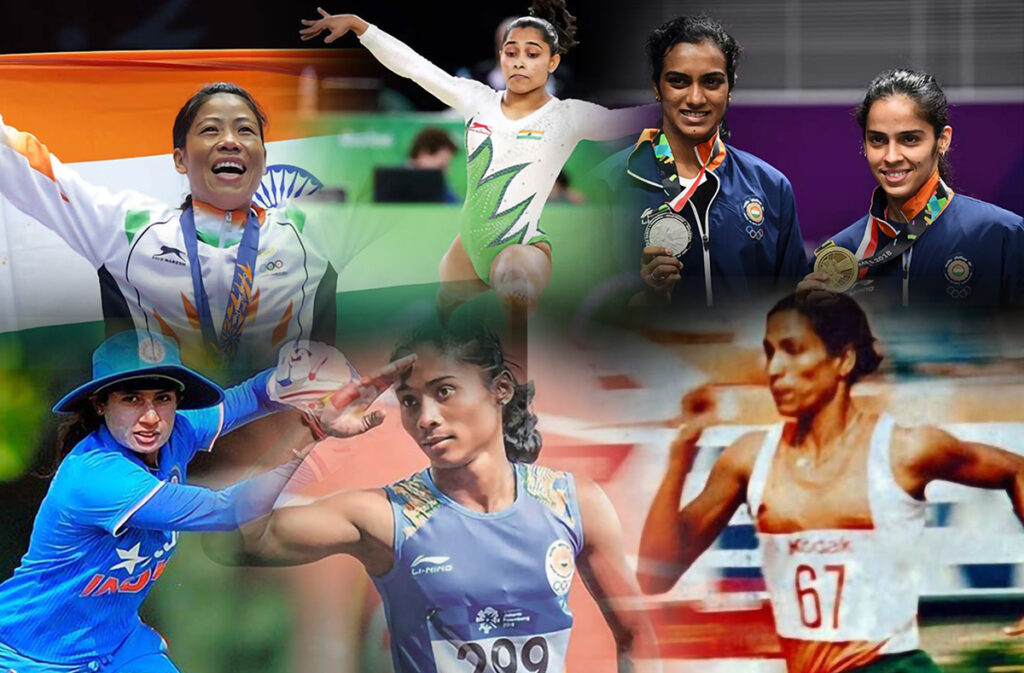
From local gymnasiums to Olympic stadiums, female athletes have redefined the concept of resilience, often in the face of overwhelming challenges. Their athletic journeys, often marked by victories and defeats, highlight how perseverance shapes champions, not only in sports but also in every area of life. These women athletes demonstrate that grit and determination extend beyond athletic ability—they permeate how we approach everyday struggles and adversities. As we examine their experiences and the principles they embody, we find that their unique paths are a wellspring of life lessons, inspiring us to keep moving forward, regardless of obstacles. Many of these extraordinary women have now elevated their messages and become inspirational female speakers, using their stories to motivate audiences worldwide to overcome hardships, believe in themselves, and strive for greatness.
Resilience isn’t born overnight; it is painstakingly forged through countless moments of challenge, setback, and triumph. Female athletes, in particular, often encounter a distinctive set of hurdles—ranging from social barriers to questions about their abilities—yet their powerful responses offer universal strategies for anyone seeking to thrive despite setbacks. By examining what resilience looks like in action, we can all discover new ways to rise when life knocks us down.
Defining Resilience in Sports
Resilience in the context of sports encompasses much more than just physical stamina; it involves an athlete’s ability to withstand setbacks, adapt to unpredictable changes, and persist regardless of adversity. This quality isn’t limited to enduring physical pain or fatigue. It also demands tremendous mental acuity, emotional balance, flexibility in thought, and an indomitable will to rebound quickly after defeat. Developing resilience means cultivating the mental fortitude to reframe failures as opportunities for learning, the capacity to embrace constructive feedback, and the courage to keep striving even when success seems out of reach. These qualities not only shape athletic performance but also contribute to lifelong personal growth, self-awareness, and leadership skills.
This blend of mental and emotional strength becomes especially essential during high-pressure moments, such as injuries or competitions that don’t go as planned. As detailed by The New York Times, resilience has become a central pillar in today’s athletic world, as more athletes openly discuss their struggles and actively work to foster healthier, more supportive environments. This cultural shift is breaking old taboos and encouraging athletes—and fans—to prioritize holistic well-being.
Inspiring Stories of Female Athletes
- Simone Biles: As a world champion gymnast, Simone Biles has repeatedly demonstrated both her athletic brilliance and her remarkable personal strength. Her decision to prioritize her mental health at the Tokyo Olympics in 2021 stirred a global conversation about the invisible burdens athletes face. In stepping back and addressing her well-being, despite waves of external pressure and public expectation, Biles set a powerful precedent that personal health must take center stage. Her act of courage encouraged not only fellow athletes but also millions of fans worldwide to honor their own mental limits and acknowledge the importance of psychological resilience as an integral part of true strength and success.
- Elana Meyers Taylor: Facing career-threatening concussions, repeated injuries, and navigating her way through a sport with few Black athletes, Elana Meyers Taylor has become a living example of perseverance and grit. Beyond her competitive achievements, she has used her platform to advocate for racial equality in bobsledding and promote diversity in sports. Her vocal commitment to breaking down barriers and her relentless pursuit of excellence stand as a beacon for athletes navigating their own complex challenges.
- Sha’Carri Richardson: When her suspension kept her out of the Tokyo Olympics, Sha’Carri Richardson experienced public scrutiny, heartbreak, and personal loss in a very public forum. However, her swift return to the track after facing adversity showcased not only her electrifying athleticism but also her ability to turn hardship into renewed motivation. Her story is a vivid reminder that setbacks do not define our potential—they can serve as fuel for even greater achievements, solidifying her status as a symbol of modern-day resilience and determination.
Common Challenges Faced by Female Athletes
Female athletes face a complex array of challenges that can range from subtle to overt. These include pervasive gender bias, pay and funding discrepancies, a lack of equitable media representation, and the heavy burden of societal expectations and stereotypes. For many, overcoming these barriers requires a form of inner and outer strength that extends well beyond any physical capacity. These women are often called upon to challenge the status quo, continually advocate for equity and opportunity, and maintain steadfast self-belief in the face of skepticism and under-recognition. The resilience they foster is rooted not only in their athletic discipline but also in their willingness to speak out, organize, and lead by example.
Navigating these obstacles is not just about personal tenacity; it also involves reshaping sports systems and inspiring a broader cultural shift. As The Washington Post reports, every step forward in women’s sports improves opportunities, brings greater awareness of inequity, and creates momentum for real change. The progress in women’s sports not only benefits today’s athletes but also paves the way for future generations to dream even bigger and reach higher.
Strategies for Building Resilience
- Develop a Support System: Building a trustworthy network of coaches, mentors, family, and friends is crucial. This support offers emotional grounding, practical advice, and motivational encouragement, all of which help athletes weather challenging times and recover more quickly from setbacks. Having people who believe in you makes the path less lonely.
- Set Realistic Goals: By breaking larger ambitions into achievable milestones, athletes can stay motivated and experience steady progress. Celebrating small victories not only boosts confidence but also provides the momentum needed to keep moving forward, especially during periods of slow improvement or unexpected obstacles.
- Embrace Failure as a Learning Opportunity: Athletes who reframe setbacks not as proof of inadequacy but as valuable feedback are the most likely to persist and grow. This approach fosters adaptability and enables individuals to develop a deeper understanding of their strengths and areas for improvement, ultimately allowing them to recover stronger after setbacks.
- Prioritize Mental Health: Incorporating daily mindfulness routines, regular self-care, and professional mental health support equips athletes with crucial skills for managing stress, anxiety, and the intense pressures of competition. Staying mentally healthy is not a luxury but a necessity for peak performance and overall well-being.
The Role of Mental Health in Athletic Performance
Successful athletes recognize that optimal performance stems from a harmonious balance between body and mind. Intense physical training must be matched by practices that bolster emotional and psychological well-being. Addressing mental health—whether through therapy, sports psychologists, or regular self-reflection—has taken center stage in the modern era of sports. Organizations like the Women’s Sports Foundation emphasize that prioritizing mental well-being enables athletes to handle setbacks better, reduce the risk of burnout, and accelerate recovery from injuries. This growing focus on mental health is shifting the athletic culture, enabling open conversation and the reduction of stigma around psychological struggles.
By creating spaces where athletes can openly discuss mental health challenges without fear of judgment, sports organizations are helping to foster resilience, camaraderie, and recovery. The importance of mental health in sports is now recognized as a major contributor to both individual and team success, empowering athletes to achieve their goals more sustainably.
Impact on Future Generations
The triumphs and candid reflections of female athletes serve as a beacon of hope, inspiring young girls and boys everywhere to pursue their dreams no matter how daunting the journey may seem. Through community programs, mentorship initiatives, and positive media representation, the message is clear: resilience, strength, and ambition are virtues that open doors. For every girl who sees herself in a world-class competitor, there is renewed encouragement to work hard, confront adversity, and understand that setbacks are not roadblocks but stepping stones to greater things.
Through their stories, advocacy, and daily dedication, these athletes are not only paving the way for increased female participation in sports but also setting an example of confidence, perseverance, and leadership. As these girls grow into tomorrow’s leaders, they carry forward both the wisdom and the courage from today’s trailblazers, ensuring a cycle of progress and empowerment continues for generations to come.
Final Thoughts
Female athletes have illuminated how adversity, when met with resilience, can serve as a powerful springboard for both personal and societal growth. Their stories stand as a testament to the extraordinary strength that emerges at the intersection of determination, strong networks of support, and prioritization of mental wellness. By consistently championing resilience, these women offer lasting lessons for everyone—athlete or not—reminding us all to stay strong, adapt to setbacks, and ultimately, rise after every fall, no matter how difficult the journey may be.