
If you have been scrolling through social media lately, you’ve likely noticed a shift. The era of “Logomania”—neons, oversized branding, and flashy displays of wealth—is officially over. In its place, a more sophisticated, understated trend has taken over the design and travel worlds: the “Old Money” aesthetic. It’s linen shirts, heritage architecture, and the kind of silence that you can’t buy in a city center.
The “Old Money” Aesthetic: Why Lucca is the New Capital of Quiet Luxury
If you have been scrolling through social media lately, you’ve likely noticed a shift. The era of “Logomania”—neons, oversized branding, and flashy displays of wealth—is officially over. In its place, a more sophisticated, understated trend has taken over the design and travel worlds: the “Old Money” aesthetic. It’s linen shirts, heritage architecture, and the kind of silence that you can’t buy in a city center.
When it comes to travel, this trend translates into “Quiet Luxury.” It’s not about being seen at the trendiest beach club in Mykonos; it’s about disappearing behind the gates of a historic estate. For the design-conscious traveler, the epicenter of this movement isn’t the French Riviera or the chaotic Amalfi Coast. It is the walled city of Lucca in Tuscany.
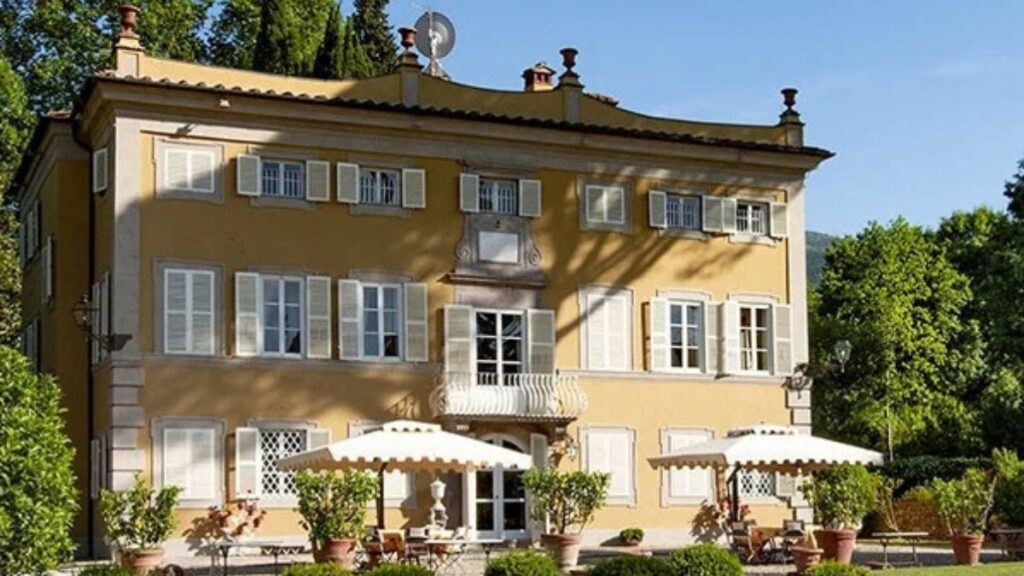
To truly embody this lifestyle, you don’t book a hotel room with a numbered door. You need a residence with history. This is why discerning travelers are bypassing traditional resorts and securing luxury villas in Lucca. These properties are not just vacation rentals; they are the architectural embodiment of the “Old Money” vibe—timeless, private, and effortlessly elegant.
Architecture Over Algorithms
The visual appeal of Lucca lies in its refusal to modernize for the sake of trends. The aesthetic here is rooted in the Renaissance. We are talking about terracotta floors worn smooth by centuries of footsteps, exposed wooden beams, and stone facades that glow golden during the golden hour.
Staying in a Lucchese villa offers a masterclass in bio-philic design and classical proportions. The interiors aren’t staged for Instagram; they are curated with antiques and art that have likely been there for generations. It creates an atmosphere of authenticity that a modern 5-star hotel simply cannot replicate.
The Elements of the Look
If you want to capture the visual essence of this trip, look for these key design elements found in Lucca’s top estates:
- The Cypress Alleys: The dramatic, tree-lined driveways that offer immediate privacy and a cinematic entrance.
- Frescoed Salons: High ceilings painted with intricate scenes, turning your living room into a private gallery.
- Italian Gardens: Manicured geometric hedges and lemon houses (Limonaia) that blend structure with nature.
Privacy is the New Ultimate Status Symbol
In the age of oversharing, privacy has become the most expensive commodity. The “Quiet Luxury” traveler doesn’t want to fight for a lounge chair by a crowded hotel pool. They want a private oasis.
This is where the villa experience shines. It offers a level of exclusivity that aligns perfectly with the “stealth wealth” philosophy. You have your own tennis court for a morning match without an audience. You have a private pool surrounded by olive groves, not other tourists. It is about enjoying the best things in life without the performative aspect of modern tourism.
The Concierge Lifestyle
The aesthetic extends beyond architecture into the service itself. True luxury is seamless. It is having a private chef preparing a dinner of local truffles and Chianti in your villa’s kitchen, rather than waiting for a table at a hyped restaurant. It is about a personalized, slow pace of life that feels inherited rather than purchased.
Lucca offers a sophisticated retreat for those who understand that true style doesn’t scream—it whispers. By choosing a private estate in this historic region, you aren’t just taking a vacation; you are stepping into a living editorial of timeless Italian elegance.