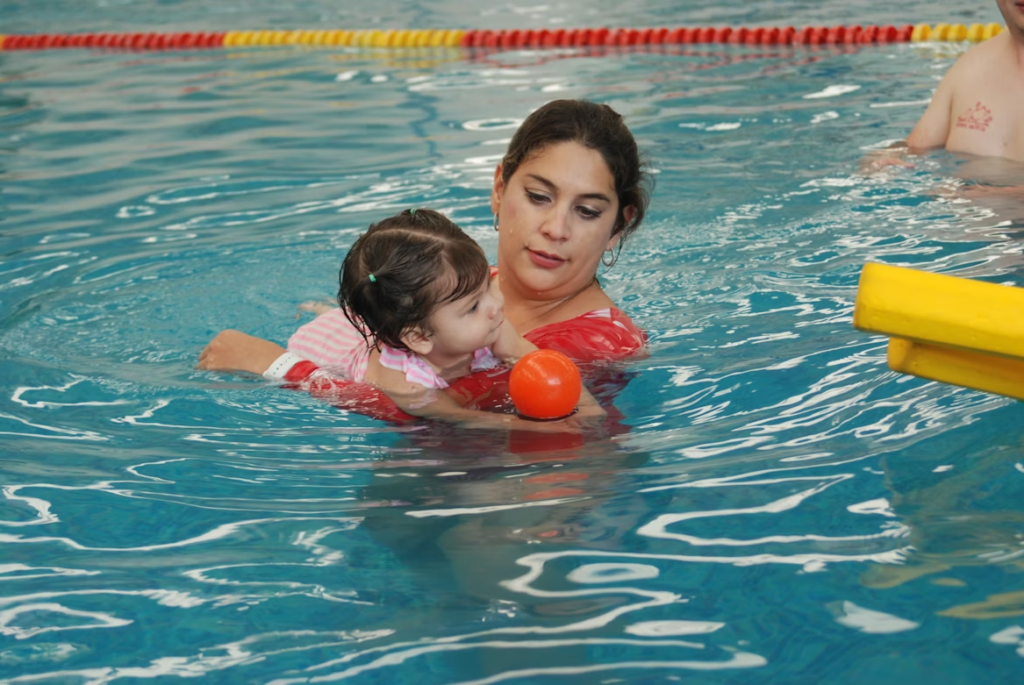
Swimming lessons are essential for children, offering both safety and skill development while fostering confidence in the water. These lessons teach fundamental techniques that reduce the risk of drowning and encourage a lifelong enjoyment of swimming. Beyond safety, swimming promotes physical fitness, improves coordination, and provides opportunities for social interaction through group activities, contributing to a child’s overall development and self-esteem.
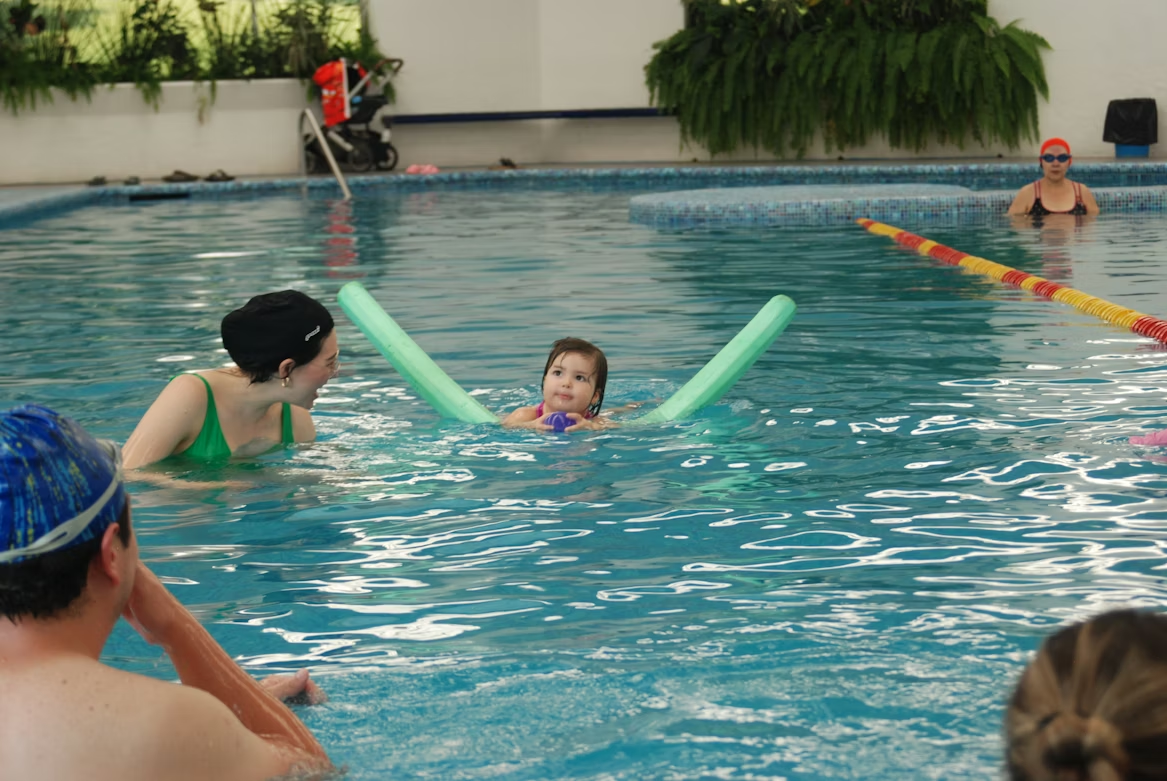 Choosing the right swimming program is critical for ensuring both effectiveness and enjoyment. Parents and guardians should consider factors such as instructor qualifications, class size, teaching methods, and specific learning goals. Selecting a program that aligns with a child’s age, abilities, and interests allows for a more positive experience, helping children gain confidence in the water while achieving meaningful progress in their skills. For families seeking quality instruction, kids swimming lessons Singapore offer a wide range of professionally guided programs tailored to different age groups and skill levels.
Understanding Children’s Swimming Lessons
Children’s swimming lessons are designed to teach essential water skills, safety measures, and confidence-building techniques. Professional instructors employ engaging, age-appropriate methods to help young swimmers learn floating, basic strokes, breathing techniques, and diving. Lessons are structured to make learning enjoyable while emphasizing the importance of safety, helping children develop both competence and independence in aquatic environments.
Swimming lessons usually follow a staged progression. Early classes focus on water familiarization and basic safety rules, allowing children to feel comfortable and secure. Once acclimated, children learn foundational skills such as floating, kicking, and beginner strokes like freestyle and backstroke. As lessons advance, instructors introduce endurance-building exercises, stroke refinement, and techniques for more complex activities. For older or more experienced students, advanced lessons may include competitive swimming techniques or preparation for swim teams, providing opportunities to develop discipline, persistence, and teamwork.
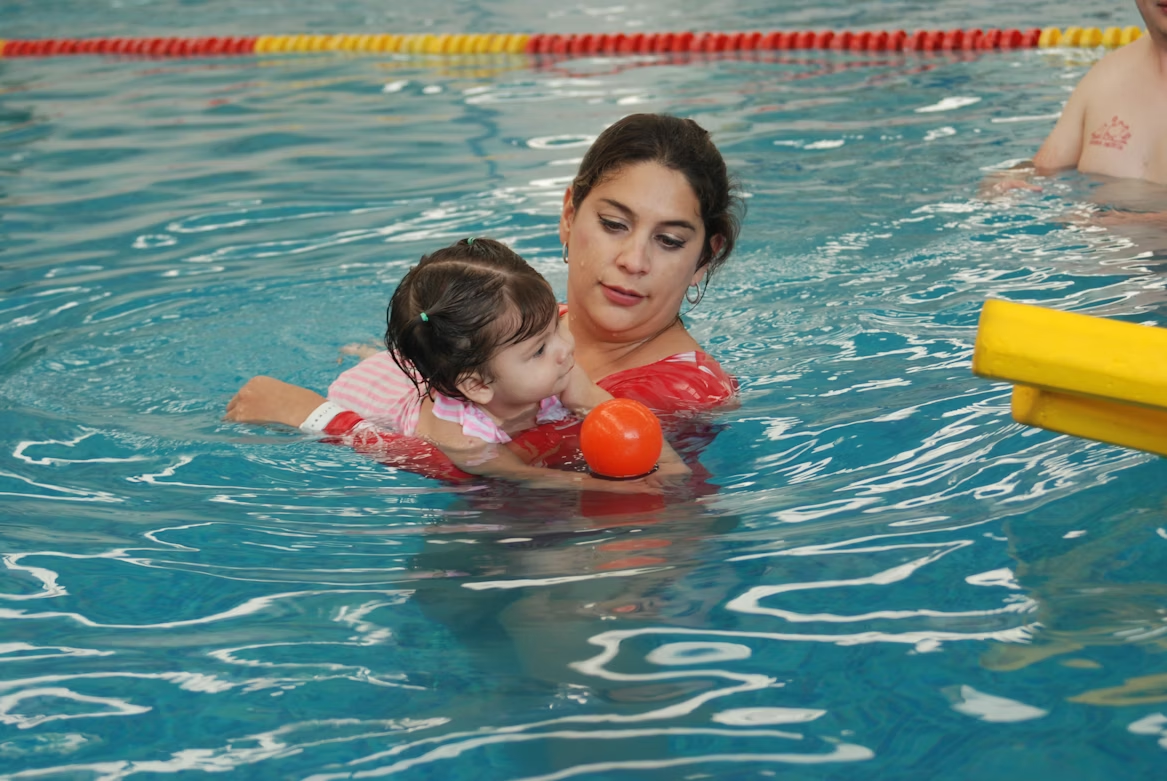
Starting swimming lessons at an early age provides multiple benefits. Children not only gain essential life-saving skills but also improve physical fitness, increase coordination, and strengthen confidence. Early exposure to swimming promotes social interaction, as children learn to communicate and cooperate with peers in a structured setting. Over time, these experiences instill a long-term appreciation for swimming, reducing risks of drowning and encouraging active lifestyles that can last a lifetime.
 Benefits of Swimming Lessons for Children
Physical Benefits: Swimming is a full-body activity that improves cardiovascular health, builds muscle strength, enhances flexibility, and supports overall endurance. Regular swimming can help with maintaining a healthy weight, boosting energy levels, and improving sleep quality. The low-impact nature of swimming makes it particularly suitable for young children, reducing stress on joints while promoting overall fitness.
Cognitive and Mental Benefits: Participating in swimming lessons also provides mental and cognitive advantages. Structured physical activity has been shown to enhance focus, improve memory, and support emotional resilience. Children gain confidence as they master new skills, which can positively influence their performance in school and other activities. Additionally, swimming encourages patience, discipline, and goal-setting, fostering a growth mindset that can benefit children in many aspects of life.
Social Benefits: Swimming lessons often take place in group settings, encouraging social development and collaboration. Children learn to communicate effectively, take turns, and support one another during lessons. Building these interpersonal skills helps children develop empathy, teamwork, and leadership abilities, which can extend beyond the pool and positively influence social interactions in school and community environments.
Safety and Survival Skills: Above all, swimming lessons equip children with essential safety skills. Understanding how to stay afloat, navigate the water safely, and respond to potential hazards reduces the risk of accidents and fosters a sense of security. Children learn not only personal safety strategies but also the importance of helping others in emergencies, instilling awareness and responsibility from a young age.
Supporting Children During Swimming Lessons
Parental support plays a key role in a child’s learning and emotional well-being. When parents take an active interest in their child’s progress, children are more motivated, engaged, and confident. Effective support includes celebrating achievements, offering constructive feedback, and maintaining open communication with instructors to understand learning goals and progress.
Creating a positive and encouraging environment at home complements the lessons. Parents can reinforce learning by discussing new skills, incorporating fun water-based activities, and setting achievable goals. Recognizing effort rather than just results encourages persistence, while celebrating small milestones fosters a sense of accomplishment. Encouragement, patience, and consistent involvement help children maintain interest in swimming while promoting confidence and self-esteem.
Conclusion
Selecting an appropriate swimming program is crucial for a child’s safety, development, and enjoyment of aquatic activities. High-quality instruction equips children with essential water skills, builds confidence, and nurtures a lifelong appreciation for swimming. A well-designed program considers individual learning styles, abilities, and personal goals, ensuring that children gain competence while enjoying their experience. By combining professional instruction with parental support, children can develop physically, mentally, and socially, establishing a foundation for safe and active participation in aquatic environments that lasts a lifetime.