
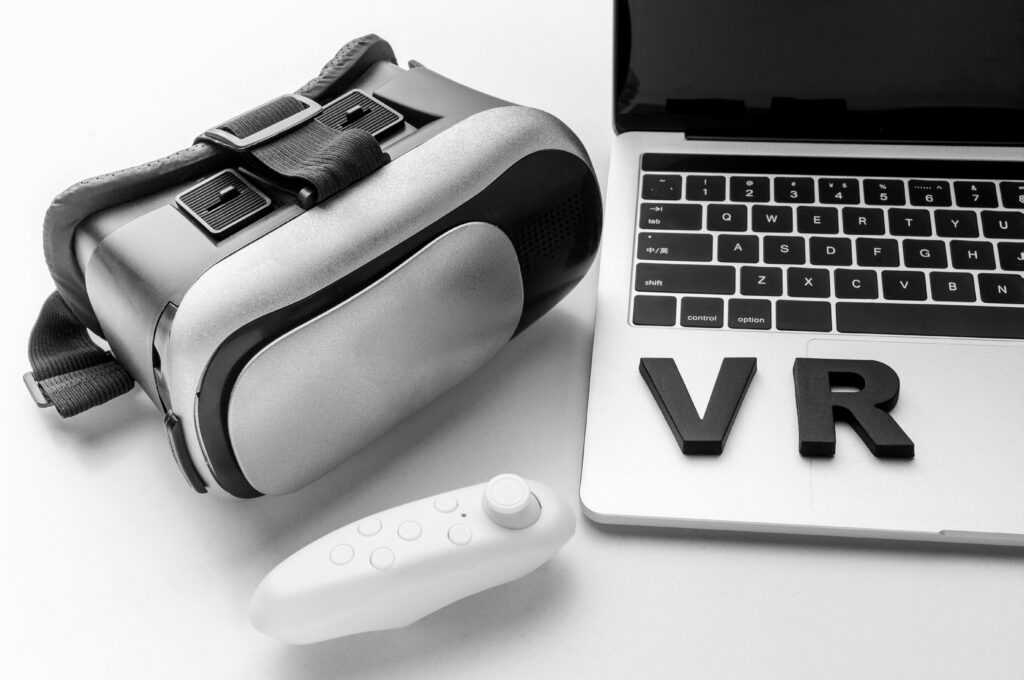
As the demand for immersive experiences grows, so does the responsibility of developers to create environments that are not only captivating but also safe, comfortable, and inclusive. However, these days, virtual reality software is evolving into a discipline that blends cutting-edge technology with human-centered design.
Purpose-Driven Development: Building with Empathy and Intention
The primary goal of VR software development today is to empower creators to build experiences that users can enjoy without compromising their well-being. Whether it’s a game, a virtual classroom, or a therapeutic simulation, the purpose is clear: design environments that are intuitive, respectful of human limitations, and optimized for long-term engagement.
User Comfort and Safety: A Non-Negotiable Priority
Comfort and safety are not optional; they are foundational to successful VR software. Developers must stay informed about the latest scientific research on ergonomics, cognitive load, and accessibility. This includes designing interfaces that accommodate users with varying physical abilities, offering customizable controls, and ensuring that interactions are intuitive and non-intrusive.
Physical health considerations also play a role. For example, minimizing repetitive motions, avoiding awkward postures, and providing clear spatial orientation can help prevent strain and injury. By prioritizing these elements, developers demonstrate a commitment to user well-being that goes beyond aesthetics or novelty.
Balancing Immersion, Usability, and Comfort
Immersion is the hallmark of virtual reality, but it must be balanced with usability and comfort. A visually stunning environment loses its appeal if users struggle to navigate it or feel overwhelmed. Thoughtful design involves creating intuitive interfaces, responsive controls, and environments that guide users naturally through the experience.
Iterative user testing is key to achieving this balance. By observing real users, gathering feedback, and refining designs based on actual behavior, developers can identify pain points and opportunities for improvement. This process not only enhances the final product but also builds trust with the user community.
Next Steps for Developers
Once foundational best practices are in place, developers can begin exploring more advanced topics. Vision design, spatial audio, and environmental storytelling are powerful tools for deepening immersion and emotional impact. These elements require a nuanced understanding of human perception and interaction, making them ideal areas for continued learning and experimentation.
Ongoing Evolution
Virtual reality is still an emerging medium, and its best practices are far from static. As more developers contribute their insights and innovations, the collective understanding of what makes a great VR experience will continue to evolve. Feedback from users, research from academia, and experimentation within the developer community all play a role in shaping the future of VR software.
By embracing this dynamic landscape and committing to responsible design, developers can help ensure that virtual reality remains a space of wonder, connection, and possibility for everyone.