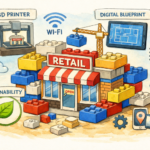

In our fast-paced digital age, it might be tempting to assume traditional print has lost its place. Yet, print continues to demonstrate extraordinary resilience and value, maintaining a role in everything from communication to marketing and education. The physicality and credibility of print make it a cornerstone in many strategies, even as digital channels dominate the landscape. Many businesses, including MidAmerican Printing Systems, are championing the ongoing benefits of print for organizations across diverse sectors.
As brands and institutions seek meaningful connections with their audiences, they find that print offers substance that digital sometimes lacks. From tactile experiences to heightened trust, there are distinct advantages that can make print media surprisingly effective in today’s world. This article examines the multifaceted strengths of print and how it complements modern digital approaches.
The Tactile Experience of Print
Holding a newspaper, magazine, or direct mail piece can deliver a multi-sensory experience that digital media simply cannot match. The feel of textured paper, the scent of fresh ink, and the visual appeal of vibrant images combine to leave a lasting impression. Recent research has shown that tactile engagement can strengthen emotional connections to content, making readers more likely to recall and respond to the message. These physical interactions help create a memorable moment, setting print apart from the fleeting nature of scrolling through digital feeds.
Beyond engagement, this sensory richness plays a key role in both education and marketing. According to a United States Postal Service study, people who interact with physical advertisements are more likely to remember the brand and its offer than those with digital-only exposure. These findings underscore why companies continue to invest in print as a fundamental piece of their outreach strategies.
Trust and Credibility in Print Media
Printed publications often adhere to strict editorial guidelines, enhancing their authority and reliability. Studies repeatedly show that readers perceive printed information as more credible than digital sources, which are frequently affected by misinformation and unvetted content. When a company, product, or announcement appears in a respected magazine or newspaper, it benefits from the established trust these outlets command. This credibility extends to advertising as well, where audiences are more likely to take action on a print ad than a digital one.
Businesses that leverage the power of print can capitalize on these associations. When potential customers receive a high-quality catalog or personalized letter, the perceived investment in print communicates professionalism and care, strengthening the overall brand reputation. A recent article in The New York Times highlighted how even digital-first brands are revisiting print to stand out and build consumer trust in a crowded online market.
Enhanced Engagement and Retention
Reading in print offers distinct cognitive benefits. Research from the University of Valencia found that readers of print material typically achieve higher comprehension scores than those reading the same content on digital devices. The absence of digital distractions enables readers to focus, absorb, and retain complex information more effectively. This is particularly important for educational materials, professional publications, and in-depth reports, where comprehension is critical for success.

Advertisers and publishers can harness this boost in engagement by allocating resources to print when the goal is to foster deep understanding or long-term recall. Providing thoughtfully designed brochures, magazines, or manuals allows messages to stick with the audience and drive meaningful actions well after the initial encounter.
Targeted Marketing Through Print
Print marketing offers exceptional targeting capabilities, enabling segmentation by demographics, location, and interests. This tailoring enhances the relevance and personalization of direct mail campaigns, often leading to remarkable engagement rates. When combined with quality design and engaging copy, print materials foster trust and generate responses that digital ads may not consistently achieve. Print advertising in specialized publications, such as trade journals and niche magazines, provides visibility and credibility with an audience already interested in specific topics. A Forbes article notes that print continues to achieve higher conversion rates than many digital platforms, especially when campaigns are informed by audience insights and data.
Integrating Print and Digital Strategies
Print and digital media are most effective when utilized together, particularly through the integration of QR codes or personalized URLs on physical materials. This method directs users to online content, enhancing the customer journey while allowing brands to track engagement. Multi-channel campaigns, incorporating both print and digital elements, strengthen messaging, expand reach, and improve campaign effectiveness. Synchronizing print mailers with timely email follow-ups and coordinated social media messaging maximizes customer interaction opportunities, making campaigns more memorable and actionable by leveraging the strengths of each medium and addressing its weaknesses.
Sustainability in Modern Printing
Modern printing is increasingly eco-conscious. Advances in digital printing have resulted in significant waste reduction through print-on-demand and short-run production. Many printers now utilize recycled papers and eco-friendly ink, demonstrating a commitment to sustainability. Customers increasingly value environmental responsibility, and print providers who make sustainable choices can differentiate their services in a competitive market.
Certifications like those from the Forest Stewardship Council (FSC) assure customers that products come from responsibly managed sources. This not only helps protect natural resources but also enhances the appeal of print campaigns, especially for organizations that prioritize corporate social responsibility.
The Future of Print Media
Print is not obsolete; it is evolving alongside technologies like augmented reality (AR), which enhance interactivity and engagement. Personalized printing through advanced data analytics allows brands to create individualized experiences. Additionally, innovative formats, specialty finishes, and striking designs amplify print’s appeal. Although digital media continues to advance, print sustains its significance through adaptability and by offering tactile impact, trustworthiness, and deep engagement. Together, print and digital complement each other in an integrated marketing strategy, enhancing communication, education, and connection in a dynamic environment.