Why Oral Health Matters More in Retirement
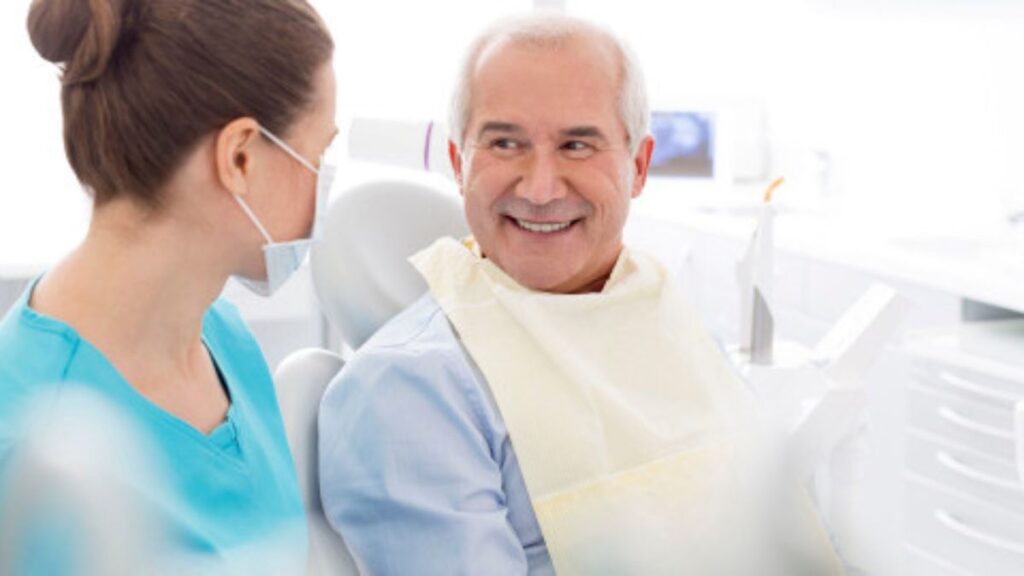
As people retire, the importance of maintaining oral health becomes significantly greater. Advancing age increases the risk of dental issues due to changes in the body, long-term wear and tear on teeth, and potential complications from chronic health conditions. For example, gum tissue naturally recedes with age, and enamel, the hard outer layer of the teeth, may erode over the decades, leaving teeth more vulnerable to decay and sensitivity. In addition, chronic diseases such as arthritis can make it more difficult to maintain regular brushing and flossing routines, further contributing to dental challenges. With more retirees recognizing the value of a healthy mouth, it’s crucial to consider practical strategies for protecting oral health well into later life, including regular dental checkups, professional cleanings, updated dental hygiene routines, and appropriate insurance coverage.
One of the top reasons dental health matters in retirement is its connection with overall wellness. Research shows a strong relationship between oral health and the risk of developing chronic diseases, such as diabetes, respiratory infections, and heart disease. Poor oral health can allow harmful bacteria to enter the bloodstream and contribute to these systemic health problems. Many retirees begin to look at insurance options—like VA dental insurance options—to help manage these risks and ensure their peace of mind. Maintaining oral health doesn’t just prevent pain and inconvenience—it directly supports a retiree’s ability to eat well, stay socially active, and enjoy a high quality of life.
Common Dental Concerns for Retirees
Tooth loss remains one of the most prevalent dental issues facing older adults. Losing teeth can not only affect the ability to eat and speak comfortably, but it can also impact self-esteem and overall quality of life. The physical changes that come with tooth loss can restrict food choices, leading to a less nutritious diet and potential weight loss. Gum disease is another widespread concern; it’s estimated that nearly two-thirds of adults aged 65 and older have gum disease, with factors such as poor oral hygiene, smoking, and chronic conditions heightening the risk. Gum disease can cause infections, bleeding gums, and even tooth loss.
Additionally, many retirees take one or more medications, some of which cause dry mouth, reducing saliva’s protective effects and increasing vulnerability to cavities and oral infections. Saliva is key in neutralizing acids and washing away food particles, so dry mouth can dramatically increase the risk of tooth decay and discomfort. Some medications for high blood pressure, depression, and allergies are known culprits. Awareness of these risks allows older adults to proactively adjust their dental care routines, such as using mouthwashes to combat dry mouth or chewing sugar-free gum to stimulate saliva production.
Navigating Dental Expenses on a Fixed Income
Many retirees are surprised by how quickly dental expenses can accumulate, particularly without employer-sponsored coverage. Out-of-pocket costs for cleanings, fillings, dentures, and more serious procedures may strain a fixed income. Costs for crowns, root canals, and implants can be especially burdensome, making it challenging for retirees to access necessary dental services. That’s why it’s vital to incorporate dental expenses into a retirement budget and explore dedicated dental insurance plans to help offset these costs.
One of the most common misconceptions is that Medicare covers routine dental care. In reality, Medicare rarely includes dental benefits, leaving retirees to seek supplemental coverage or pay for care themselves. This can be an overwhelming discovery for many newly retired individuals, as dental bills can appear unexpectedly and quickly climb into the hundreds or thousands of dollars. Understanding the limits of Medicare and the role of private insurance or discount plans is crucial for avoiding unexpected bills. It helps retirees gain control over their finances.
How Dental Coverage Supports Emotional Well-Being
Financial security plays a key role in lowering stress and anxiety during retirement. Worrying about the unexpected burden of dental expenses can be a source of tension, impacting both mental and physical health in the long term. Knowing you’re covered for unexpected dental expenses can foster a sense of control and peace of mind. Studies indicate that having reliable health insurance—including dental coverage—can significantly reduce anxiety about unforeseen health costs. This confidence often spills over into other aspects of life, encouraging retirees to participate more freely in social activities and focus on enjoying their retirement rather than dwelling on financial uncertainties.
For many retirees, the thought of a costly dental emergency can lead to sleepless nights or delayed care. Delaying needed dental treatment not only risks more severe health problems but also creates a cycle where financial anxiety impedes overall well-being. Dental insurance transforms this experience, providing confidence and assurance that professional care is always within reach. Numerous personal stories illustrate how even modest coverage can bring a newfound sense of well-being, allowing retirees to schedule regular exams and address minor issues before they become major concerns.
Comparing Types of Dental Plans for Retirees
Retirees may choose from several dental plan types, including private dental insurance, dental discount plans, and employer or union retiree plans. Each option comes with its own premiums, coverage, and limitations structure. When researching available options, it’s important to evaluate plan details: Does the coverage include preventive, restorative, and major services? Are your preferred dentists in-network? What are the premium and out-of-pocket costs, annual maximums for coverage? Some plans may seem affordable up front, but end up costing more due to coverage gaps or high deductibles.
Deductibles, claim processes, and coverage caps can vary widely. Calculating anticipated dental needs and comparing those against what each plan covers is wise. Review plan documents closely and ask questions about coverage limits before enrolling. This ensures you select a plan that fits your dental needs and financial situation. Consulting your dentist or a benefits advisor can also provide valuable insights into choosing the most appropriate coverage.
The Link Between Dental Health and Overall Health Outcomes
Regular dental exams go beyond cleaning teeth—they also allow dental professionals to spot early warning signs of systemic issues like anemia, diabetes, or certain cancers. Often, diseases manifest initial symptoms inside the mouth, so a dentist’s trained eye can contribute meaningfully to a retiree’s overall health monitoring. Older adults with good oral health often experience better general health outcomes and lower healthcare expenses.
Prioritizing dental health can contribute to longer, healthier retirement years and reduce the risk of hospitalizations or complications caused by preventable oral diseases. It’s a proactive step that supports independence, social engagement, and overall happiness in later life.
Simple Steps for Managing Oral Health in Retirement
Daily dental care remains vital for older adults. Brushing with a soft-bristle toothbrush and fluoride toothpaste, flossing or using interdental brushes, and rinsing after meals can help maintain healthy gums and teeth. Adopting an electronic toothbrush may assist those with dexterity problems. Choosing dental products formulated for sensitivity or dryness can also make routine care more comfortable, particularly for those experiencing medication-related side effects.
Older adults should also schedule preventive dental checkups at least twice a year. Catching potential problems early not only saves money but also improves overall health outcomes. Additionally, keeping an updated list of medications and sharing it with your dentist can help spot oral side effects before they become serious.
Frequently Asked Questions
Should retirees prioritize dental coverage along with other supplemental insurance?
Yes, dental coverage is an essential aspect of a well-rounded health plan in retirement. Given the connections between oral and overall health, most retirees consider securing dental insurance a wise decision. Dental insurance helps provide access to regular care and can prevent many future complications that might otherwise go untreated due to high costs.
What can one do if dental coverage isn’t affordable?
Consider seeking care at community health centers, dental schools, or looking into dental discount plans. Many communities offer sliding-scale fee structures to make oral care more affordable. Comparing your options thoroughly can help you find basic coverage or low-cost alternatives that fit your budget without compromising essential care.
How to find trusted information about senior dental health?
Reputable resources include the American Dental Association, National Institute on Aging, and large healthcare provider websites. Government-run health sites and major non-profit organizations also provide well-researched dental health information. Ask your healthcare provider for print materials or recommended online resources for up-to-date dental advice when in doubt.